
Za'atar — wild thyme, sumac, toasted sesame and salt
In brief — Za'atar is the daily spice of Lebanon, Syria and Palestine — wild thyme, tart sumac, toasted sesame and salt. Not one finishing blend among many: it is breakfast on a grilled man'oushe and the dust over a bowl of labneh. A good jar runs about $9 to $10 in the US. The catch is the thyme: cheap blends swap real Origanum syriacum for ordinary thyme, and the flavor falls flat. Its aromatic profile develops notes of fresh wild thyme, tart sumac, toasted sesame, extended by soft oregano and warm hazelnut, for an intensity of 5/10. In the kitchen, it's best added as a finishing touch — dusted over food at the end, or loosened with olive oil into a paste to brush before baking and it pairs with man'oushe (Levantine flatbread), labneh with olive oil, hummus. Recommended dosage: a generous tablespoon per flatbread or per bowl of labneh, stirred into olive oil first so it clings. Expect from $7.00 to $12.00 per 2 oz jar (median $9.50).
Origin : Levant, with distinct house styles in Beirut, Damascus and Nablus, Lebanon / Syria / Palestine
« A staple worth getting right. The make-or-break is the thyme: real Origanum syriacum smells fresh and green at the jar. Skip the supermarket blends drowning in sumac; buy a named Levantine house instead. »
Za'atar is the daily spice of Lebanon, Syria and Palestine — wild thyme, tart sumac, toasted sesame and salt. Not one finishing blend among many: it is breakfast on a grilled man'oushe and the dust over a bowl of labneh. A good jar runs about $9 to $10 in the US. The catch is the thyme: cheap blends swap real Origanum syriacum for ordinary thyme, and the flavor falls flat.
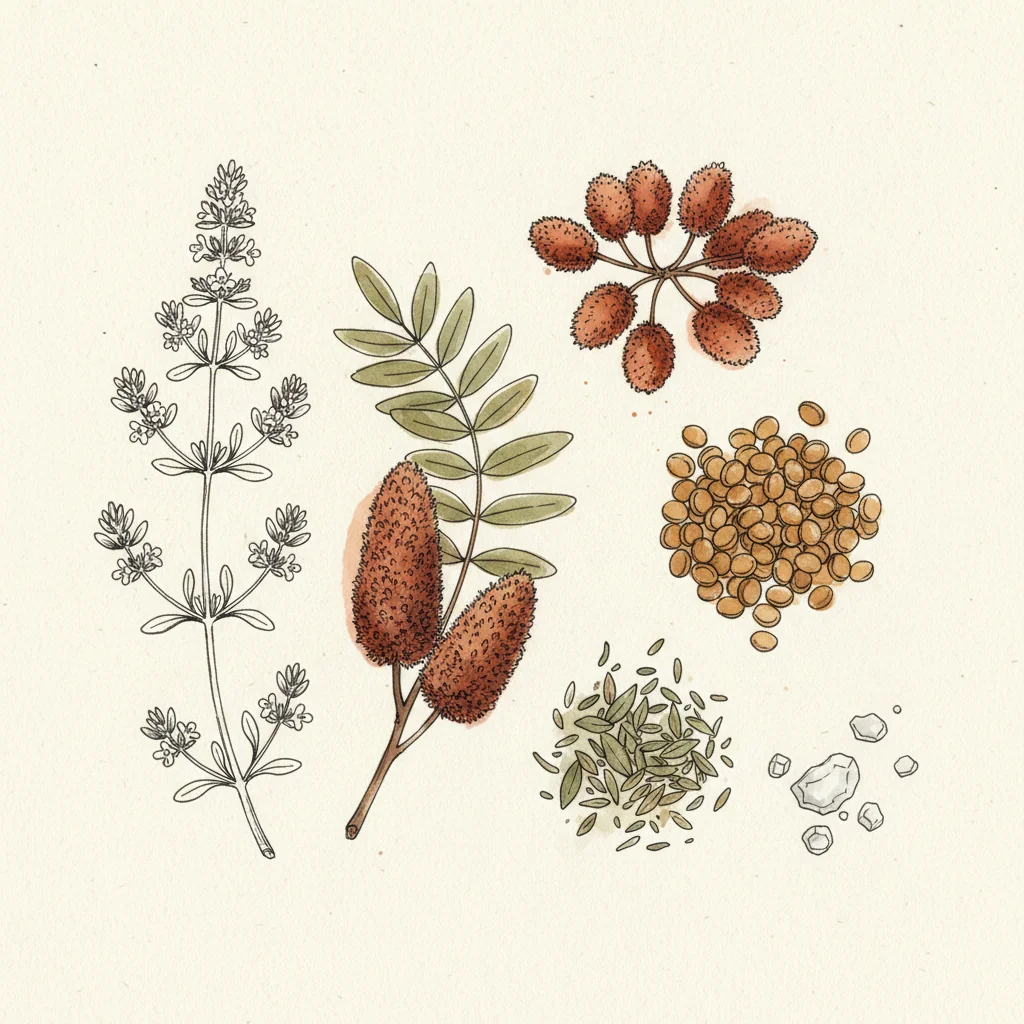
Spice · Blend
Za'atar
Levant, with distinct house styles in Beirut, Damascus and Nablus, Lebanon / Syria / Palestine
fresh wild thyme · tart sumac · toasted sesame
Aromatic profile
| Family | ground spice blend |
|---|---|
| Intensity | ●●●○○ (5/10) |
| Main notes | fresh wild thyme · tart sumac · toasted sesame |
| Secondary notes | soft oregano · warm hazelnut · lemon zest |
| Mouthfeel | herbal and lightly tart, with the nutty grip of sesame |
| Finish length | medium, a lemony sumac finish that keeps the tongue awake |
Culinary use
- When to add : finishing — dusted over food at the end, or loosened with olive oil into a paste to brush before baking
- Dosage : a generous tablespoon per flatbread or per bowl of labneh, stirred into olive oil first so it clings
- Ideal pairings : man'oushe (Levantine flatbread), labneh with olive oil, hummus, fried or scrambled eggs, sliced tomatoes, warm pita dipped in oil then za'atar
- Avoid with : long oven roasts over 25 minutes that scorch the thyme and turn it bitter, dishes already sharp with vinegar, anything sweet
The grain in detail
Za'atar (زعتر) is two things at once: the plant, Origanum syriacum, a wild Levantine herb closer to oregano than to garden thyme, and the blend built around it. The herb grows on the limestone hills from southern Turkey down through Lebanon and Palestine, hand-picked in spring and dried in the shade. The blend grinds that dried thyme (40 to 50 percent) with ground sumac (10 to 15 percent), toasted golden sesame (25 to 30 percent), salt (5 to 8 percent), and sometimes a little cumin or coriander. House styles diverge: Lebanese blends lean on sesame, Palestinian ones push the sumac, Syrian ones stay greener and more herbal. Use it raw and at the end. The classic is man'oushe — dough brushed with olive oil and za'atar, then baked in a wood oven, the Levantine answer to a morning pastry. Labneh (strained yogurt) with a slick of oil and a cloud of za'atar is the everyday starter. Warm pita dipped in olive oil and then in za'atar comes with every spread of mezze. It also seasons fresh cheese, eggs, sliced tomatoes and chicken. The supermarket version has one recurring fault: too much sumac, not enough real wild thyme. Authentic Origanum syriacum is expensive, so many industrial blends cut it with ordinary Mediterranean thyme (Thymus vulgaris), which reads completely differently — flatter, woodier, none of the green lift. For a jar worth the money, look to a named Levantine house: Mymouné, Terroirs du Lebanon, or a single-origin importer like Burlap & Barrel, whose Nablus za'atar comes from Palestinian farmers. Open the jar and you should smell it straight away — fresh, herbal, the tart edge of sumac, the sesame still crisp.
History & origin
Za'atar appears in written sources from the tenth century across the Levant, and the herb's culinary use is attested archaeologically back to the Bronze Age on the Phoenician highlands. The Lebanese, Syrian and Palestinian diasporas carried the blend abroad through the twentieth century. Wild harvesting of the za'atar herb in Palestinian territories was restricted under a 1977 Israeli species-protection ruling — contested as a cultural blow — which shifted much of the supply toward cultivated West Bank crops. No protected appellation exists; Terroirs du Lebanon has run a certified-origin program since 2006.
Provenance & authenticity
What sets the real thing apart — appellation, species and verification cues.
- Grade / standard
- Spice blend (wild thyme, sumac, sesame, salt)
How to verify the real one
- blend - should list wild thyme (Origanum syriacum), sumac, sesame
- no fillers/breadcrumbs in premium versions
Indicative price
Reference format : 2 oz jar — from $7.00 to $12.00 (median : $9.50).
Storage
Airtight, opaque jar away from light and heat. The sesame is oily, so humidity turns it rancid fast. Keeps 9 to 12 months; past that the sesame goes stale and the thyme fades.
Where to buy?
Where to buy it
Links checked on
| Merchant | Price | Action |
|---|---|---|
| Burlap & Barrel | — | Burlap & Barrel |
| Amazon US | — | Amazon US |
| Sous Chef UK | — | Sous Chef UK |
Prices may vary depending on current promotions on the merchant site.
Alternatives if unavailable
Tags
- Lebanon
- Syria
- Palestine
- blend
- wild thyme
- sumac
- sesame
- Origanum syriacum
Frequently asked questions
- How do you store Za'atar?
- Airtight, opaque jar away from light and heat. The sesame is oily, so humidity turns it rancid fast. Keeps 9 to 12 months; past that the sesame goes stale and the thyme fades.
- What dosage for Za'atar?
- a generous tablespoon per flatbread or per bowl of labneh, stirred into olive oil first so it clings
- When should you add Za'atar in cooking?
- It's best used finishing — dusted over food at the end, or loosened with olive oil into a paste to brush before baking.
- What should you avoid pairing Za'atar with?
- Avoid with: long oven roasts over 25 minutes that scorch the thyme and turn it bitter, dishes already sharp with vinegar, anything sweet.
Go further
The dishes where this za'atar shines
Also a recommended alternative for
As a complementary pairing with
See every dish where this product is mentioned →
Other spices to discover
Featured in these gift sets
Page prepared according to our methodology. Purchase links marked sponsored and liable to earn a commission — details on our Affiliations page.