
Comparison
Za'atar vs ras el hanout: what's the difference?
Opposite ends of the cook. Za'atar is a Levantine finishing blend — wild thyme, sumac, sesame — dusted raw on flatbread and labneh, tart and herby. Ras el hanout is a Moroccan base blend of 15 to 30 warm, floral spices you bloom in fat at the start of a tagine. Finish with za'atar, build with ras el hanout. Don't swap the technique.
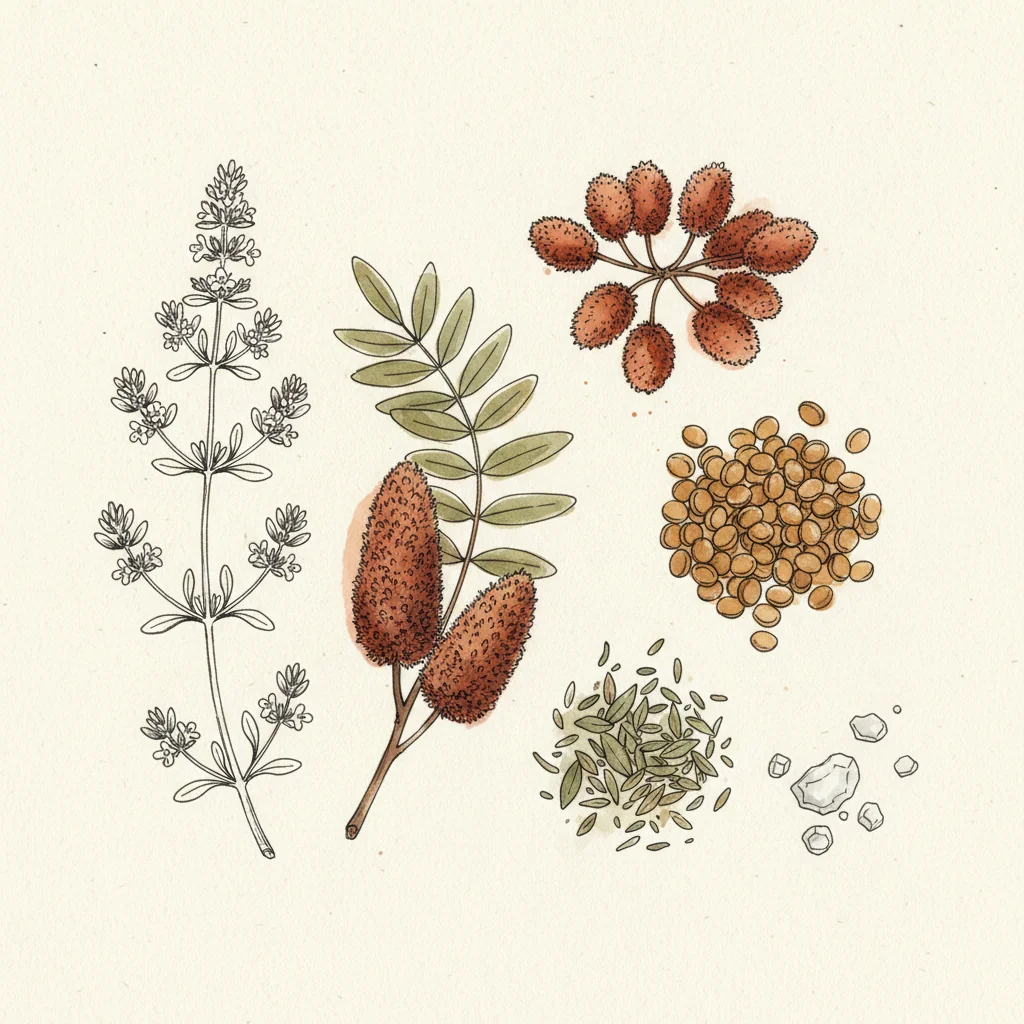
Spice · Blend
Za'atar
Levant, with distinct house styles in Beirut, Damascus and Nablus, Lebanon / Syria / Palestine
fresh wild thyme · tart sumac · toasted sesame
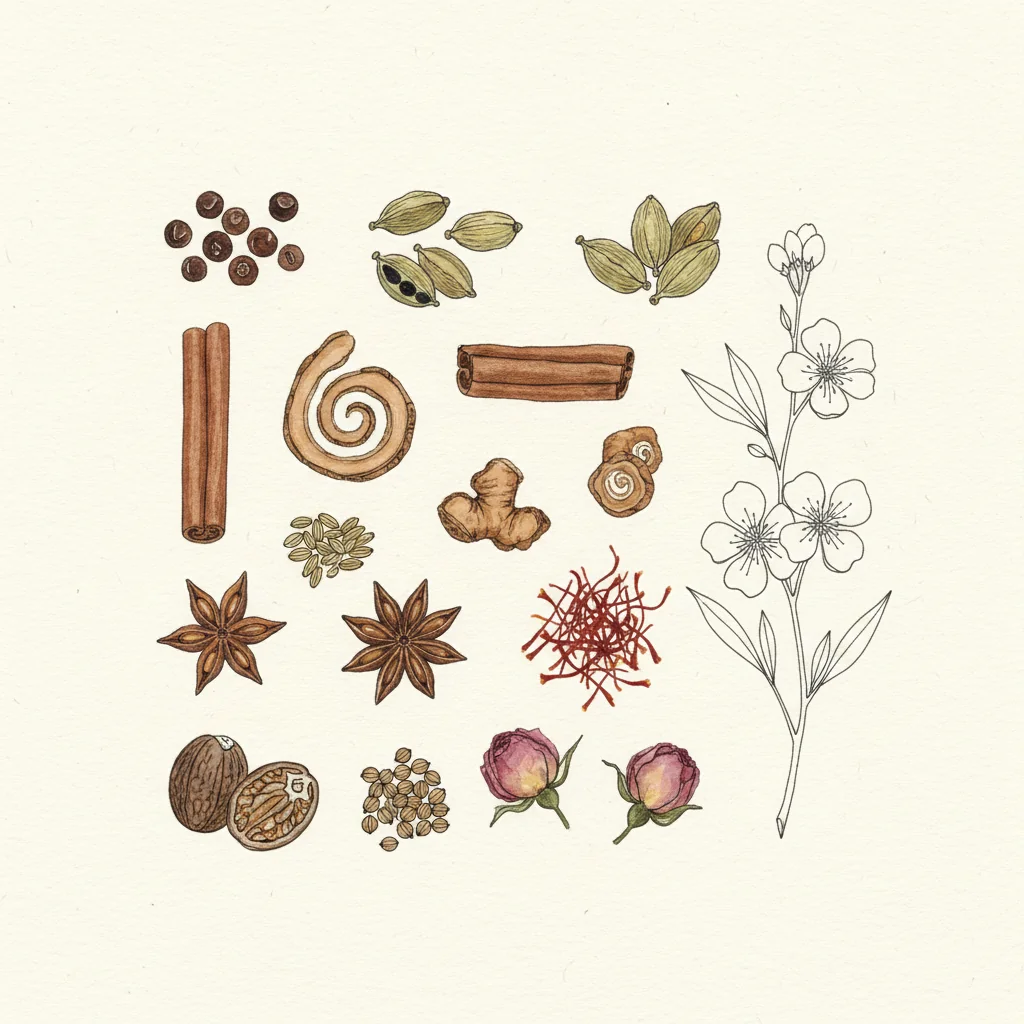
Spice · Blend
Ras el Hanout
Made across the country, with signature recipes in Fès, Marrakech and Tétouan, Morocco
warm baking spice · dried rose · spiced wood
Our verdict
Za'atar to finish, ras el hanout to build.
At a glance
| Criterion | Za'atar | Ras el Hanout |
|---|---|---|
| Origin | Levant — Lebanon, Syria, Palestine | Morocco — Fès, Marrakech, Tétouan |
| Build | Wild thyme, sumac, toasted sesame, salt | 15–30 spices: warm baking spice, dried rose, wood |
| Flavor | Fresh wild thyme, tart sumac, nutty sesame, lemon | Warm baking spice, dried rose, candied citrus, musk |
| Intensity | 5/10 — herbal, lightly tart | 6/10 — complex, slow-building warmth |
| When to add | Finishing — dusted raw, or loosened in oil | Early — bloomed in fat, never raw on the plate |
| Best use | Man'oushe, labneh, hummus, eggs, tomatoes | Lamb tagine, couscous, kefta, roasted carrots |
| Price | ~$9.50 / 2 oz jar | ~$11 / 50–60g jar |
When to choose Za'atar
Reach for za'atar when something is already cooked and you want a bright, herby, tart lift on top. Za'atar is the daily spice of Lebanon, Syria and Palestine — wild thyme, tart sumac, toasted sesame and salt, with distinct house styles in Beirut, Damascus and Nablus. It isn't one finishing blend among many: it's breakfast on a grilled man'oushe and the dust over a bowl of labneh. The flavor is fresh wild thyme and tart sumac with the nutty grip of toasted sesame, a soft oregano and lemon-zest edge, herbal and lightly tart with a lemony sumac finish that keeps the tongue awake, around 5 out of 10. Use it as a finish: dust it over food at the end, or loosen it with olive oil into a paste and brush it on flatbread before baking — a generous tablespoon per flatbread or per bowl of labneh, stirred into oil first so it clings. It's superb on man'oushe and labneh with olive oil, on hummus, on fried or scrambled eggs, sliced tomatoes, and warm pita dipped in oil then za'atar. Keep it out of long oven roasts over 25 minutes that scorch the thyme and turn it bitter, off dishes already sharp with vinegar, and away from anything sweet. The catch is the thyme: cheap blends swap real Origanum syriacum for ordinary thyme and the flavor falls flat, so read the label and buy a jar built on wild thyme, about $9 to $10 in the US. The sesame is oily, so store it airtight, opaque, away from light and heat, where humidity turns it rancid fast; it keeps 9 to 12 months before the sesame goes stale and the thyme fades. Buy small, finish generously, and never try to cook it low and slow.
When to choose Ras el Hanout
Reach for ras el hanout when you're building a Moroccan braise and you want layered, warm, faintly floral complexity from the base up. Ras el hanout means 'head of the shop' — the best blend a Moroccan spice merchant can build from his own stock — and there's no fixed recipe: 15 to 30 spices, swung toward dried rose in Fès, warmer ginger and cubeb in Marrakech, more cardamom in Tétouan. It's a merchant's signature, not a single spice. The profile is warm baking spice, dried rose and spiced wood over candied citrus, light musk and floral cardamom, complex and warming with no single dominant heat, building slowly across the palate to a long spice-and-floral fade, around 6 out of 10. The technique is the opposite of za'atar: bloom it early in the fat, never dust it raw over the finished plate, because raw it tastes powdery and flat while blooming wakes the essential oils. It's the backbone of lamb tagine with prunes and almonds, royal couscous, kefta meatballs, honey-roasted carrots and squash, pilaf rice and roasted chicken — about a tablespoon per tagine for four, or 30 g per kilo of meat for couscous. Keep it off delicate white fish, off raw preparations like tartare, and out of clean vinaigrettes, where the warm spice has nowhere to go. Buy it from a real attar or a serious house, not a supermarket sachet, where the blend is tired before it reaches you; expect a wide price range, about $7 to $22 for a 50 to 60 g jar depending on how many spices and how much saffron or rose go in, with $11 a fair middle. The essential oils hold about 12 months before the blend goes powdery and flat, so buy small. Build with it, bloom it, and let it carry the whole pot.
Where to buy?
Za'atar
Links checked on
| Merchant | Price | Action |
|---|---|---|
| Burlap & Barrel | — | Burlap & Barrel |
| Amazon US | — | Amazon US |
| Sous Chef UK | — | Sous Chef UK |
Prices may vary depending on current promotions on the merchant site.
Ras el Hanout
Links checked on
| Merchant | Price | Action |
|---|---|---|
| Amazon US | — | Amazon US |
| Sous Chef UK | — | Sous Chef UK |
Prices may vary depending on current promotions on the merchant site.
Frequently asked questions
- Can I swap za'atar for ras el hanout?
- No — they work at opposite ends. Za'atar is a tart, herby raw finish for flatbread and labneh; ras el hanout is a warm, floral base you bloom in fat for a tagine. Swapping them means dusting raw ras el hanout (flat and powdery) or simmering za'atar (scorched, bitter thyme). Don't.
- Is ras el hanout spicy?
- Not in the chili sense. It's a warm, complex, faintly floral blend around 6 out of 10, building slowly with no single dominant heat — baking spice, dried rose, cardamom. If you want chile heat, look at berbere or harissa instead.
- Why does my za'atar taste flat?
- Probably the thyme. Cheap blends swap real Origanum syriacum (wild thyme) for ordinary thyme, and the flavor collapses. Read the label and buy a jar built on wild thyme — it's the whole point of the blend.
- Should I cook with za'atar?
- Only briefly, brushed on flatbread before baking. Long roasts over 25 minutes scorch the thyme and turn it bitter. As a rule, za'atar is a finishing blend — dust it raw or use it in an oil paste, not in a long simmer.
The best pairings
With Za'atar
With Ras el Hanout
Comparison prepared according to our methodology. Sponsored purchase links — see our affiliations.