
Dish × condiment pairing
Which honey for a cheese board?
Season : all-year · Occasion : entertaining, aperitivo, holiday
Acacia honey for the soft and fresh cheeses. Its pale, runny, vanilla-floral sweetness lifts goat cheese and burrata without burying them, and it stays clear for years. Drizzle it raw, a teaspoon at a time. For strong blue, reach for chestnut instead. A 16 oz jar runs about $14 to $20.
In detail
The honey for a cheese board is acacia, at least for the soft and fresh cheeses that make up most of it. Acacia is the mildest, palest honey on the shelf, made from black locust nectar, with a thin, glassy-clear body and a soft vanilla-floral sweetness and zero bitterness. That restraint is the point: it lifts fresh goat cheese, burrata and young wedges without burying them, where a strong honey would take over the board. It also stays runny and crystal-clear for years, so it pours clean every time. The one place it fails is strong blue cheese, which buries its delicate sweetness; there, reach for chestnut or buckwheat honey, or a sweet-tart syrup like saba. Drizzle it raw, a teaspoon at a time, and serve the cheese at room temperature. A 16 oz jar runs about $14 to $20.
Our recommendation
Honey · Monofloral honey
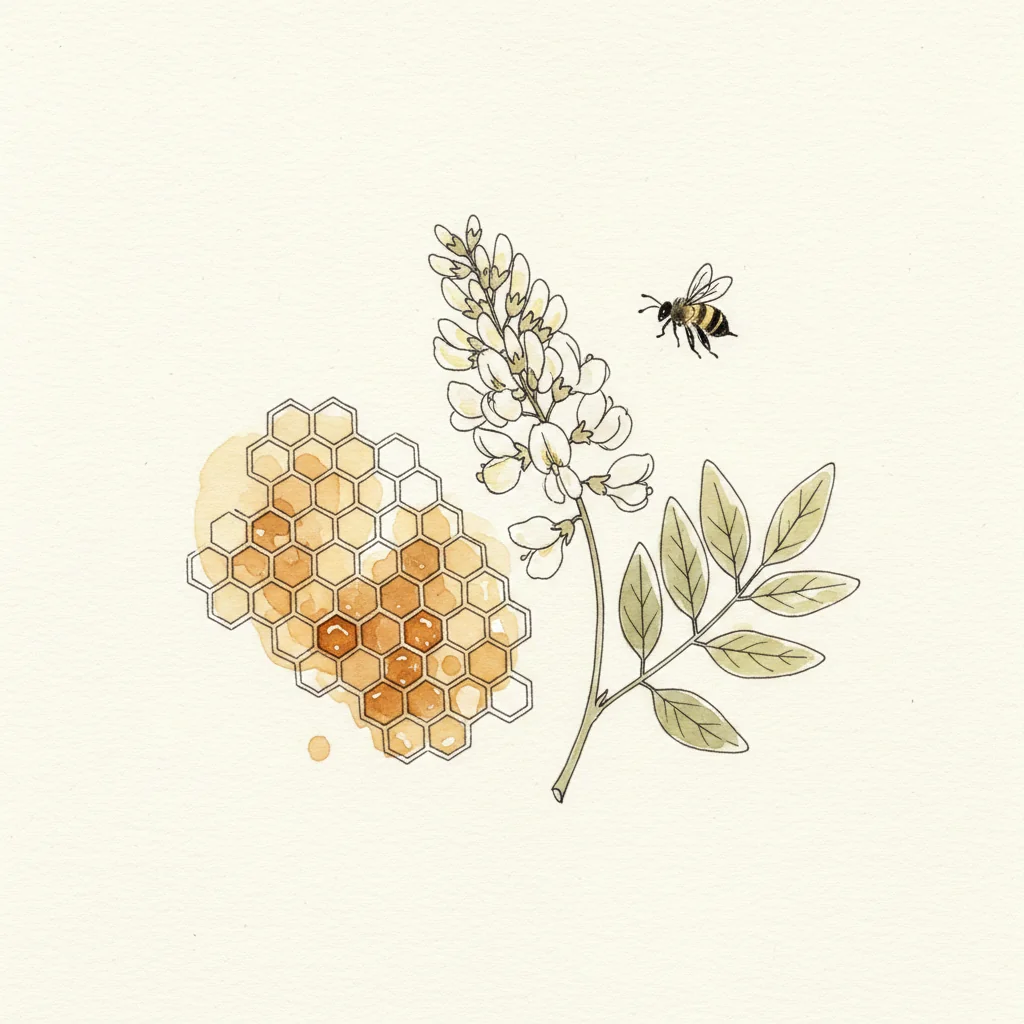
Acacia Honey
Great Hungarian Plain and the wider Carpathian Basin (also Romania, Bulgaria, Serbia), Hungary
soft floral sweetness · vanilla · clean sugar
Acacia is the all-purpose cheese-board honey because it is the mildest on the shelf: a thin, glassy-clear honey with soft vanilla-floral sweetness and zero bitterness. That restraint flatters fresh goat cheese, burrata and young wedges without overpowering them, where a strong honey would take over. It stays runny for years and pours clean. A 16 oz jar runs about $14 to $20 and one jar serves many boards.
Intensity 3/10
Where to buy it
Links checked on
| Merchant | Price | Action |
|---|---|---|
| Amazon US | — | Amazon US |
| Sous Chef UK | — | Sous Chef UK |
Prices may vary depending on current promotions on the merchant site.
Affiliate links — La Pincée may earn a commission on some sales, at no extra cost to you. Read more.
The catch
Don't put acacia honey on the blue cheese. It's the mildest honey on the shelf, and a sharp Roquefort or Stilton swallows its delicate sweetness whole, so you've drizzled it for nothing. Acacia is built for the soft and fresh end of the board, goat cheese and burrata and young wedges. For blue, you want a honey with backbone, chestnut or buckwheat, or skip honey and reach for saba.
Chef's note
Let the cheeses sit out a good thirty minutes before serving, because cold mutes both the cheese fat and the honey's faint vanilla note. Don't pour the honey over the whole board; set acacia in a small dipping dish so each soft cheese gets a controlled drizzle and the hard cheeses stay dry for the saba. Scatter toasted walnuts for a bitter crunch that keeps the sweetness from going flat.
Tasting note
soft floral · vanilla · clean sugar · no bitterness · about $14 to $20 for a 16 oz jar that stays clear for years and serves board after board. Worth it.
These three sections appear on every one of our pairing pages — our methodology.
Alternatives to explore
-
Vinegar · Cooked-must condiment
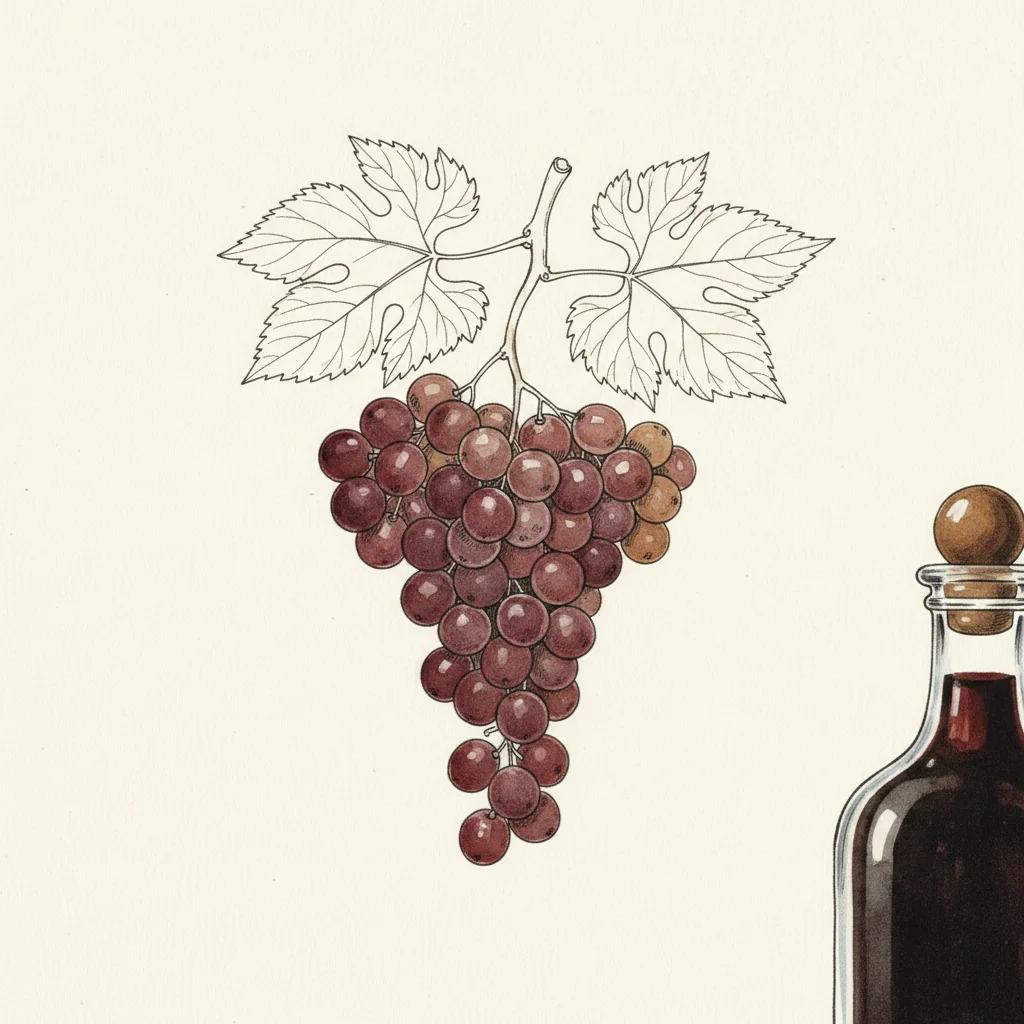
Saba (Grape Must Syrup)
Modena and Reggio Emilia, Emilia-Romagna, Italy
Intensity 8/10
Saba is the sweet-tart alternative for salty aged cheeses like pecorino, where its grape acidity stands up better than honey. The pick when the board leans hard and sharp rather than soft and fresh.
Frequently asked questions
- What honey goes on a cheese board?
- Acacia honey is the safe all-purpose pick. Its mild vanilla-floral sweetness flatters fresh and young cheeses, like goat cheese and burrata, without overpowering them. For strong blue cheese, reach for a bigger honey like chestnut or buckwheat, which acacia is too delicate to stand up to.
- Is acacia honey good with blue cheese?
- Not really. Acacia is the mildest honey on the shelf, and a strong blue buries its delicate sweetness. Use it for soft, fresh and young cheeses; for blue, choose chestnut or buckwheat honey with more backbone, or a sweet-tart syrup like saba.
- How do you serve honey on a cheese board?
- Drizzle it raw, off the heat, a teaspoon at a time over the cheese or into a small dish for dipping. Serve cheeses at room temperature so both the cheese and the honey show their flavor; cold mutes them both.
This pairing was validated according to our methodology. Purchase links are marked sponsored and may earn a commission — details on our Affiliations page.