
House
Burlap & Barrel
New York, New York, United States · since 2016 · founded by Ethan Frisch and Ori Zohar
The single-origin spice company founded in New York in 2016 by Ethan Frisch and Ori Zohar, importing directly from named farms and cooperatives as a certified B Corporation. The American reference for traceable, single-origin spices, built on a model that pays farmers above commodity prices and publishes where each spice comes from down to the region.
History
Burlap & Barrel was founded in 2016 by Ethan Frisch, a former chef who had worked in humanitarian aid in Afghanistan, and Ori Zohar, his business partner. The premise was a direct response to how the conventional spice trade works: most supermarket spices pass through layers of brokers and consolidators, are blended across origins and harvests, and reach the shelf stale and anonymous, with the farmer paid a commodity price disconnected from quality. Burlap & Barrel built a direct-trade model instead, importing single-origin spices from named farms and cooperatives, publishing the origin region, and paying prices set above commodity rates. The company became a certified B Corporation, which ties the social mission to a verified standard rather than marketing language. The product range made the case: the Royal Cinnamon from Vietnam, the New Harvest Turmeric (Pragati turmeric from Andhra Pradesh, grown by a named farmer cooperative and notable for an unusually high curcumin content), the Black Lime sourced as a single-origin powder from Guatemala rather than the traditional Gulf loomi, the Cobanero chili from Guatemala, the Silk Chili, and a wide range of single-origin peppercorns and seeds. The freshness difference is the practical hook: because the spices move quickly from a recent harvest through a short supply chain, they arrive more aromatic and potent than the brokered equivalent that has sat in a warehouse for a year or more, which means you use less. The company grew fast on the strength of food-media coverage and a cook-base that had learned, through writers like Kenji Lopez-Alt and the broader Serious Eats school, that freshness and origin matter more than brand. Burlap & Barrel sells primarily direct-to-consumer online, with some retail placement, and the model keeps the margin available to pay farmers rather than feeding a distribution chain. The transparency is real and verifiable: origin regions are published, many partner farms are named, and the B Corp status is third-party audited. The honest limitations are that the direct-trade premium means the jars cost more than supermarket spices, and the single-origin model means a given spice can sell out between harvests rather than being perpetually in stock. But on the metric La Pincée cares about, telling you the exact product, a fair price, and a real source, Burlap & Barrel is close to a model citizen: it names the farm, prices it honestly, and ships it fresh. For an American cook rebuilding a spice cabinet, it is the default upgrade from supermarket jars, and several of its single-origin lines (the Guatemalan black lime, the high-curcumin Pragati turmeric, the Vietnamese cinnamon) are genuinely distinctive rather than just fresher versions of the usual.
How they work
Direct trade is the whole method. Burlap & Barrel sources single-origin spices straight from named farms and cooperatives rather than through the broker-and-consolidator chain that supplies most supermarket spice. Each spice is kept to one origin and recent harvest rather than blended across regions and years, which preserves a distinct flavor profile and higher volatile-oil content. The company publishes the origin region and frequently names the partner farm, and it sets prices above commodity rates as a deliberate part of the model. As a certified B Corporation, the social and sourcing claims are tied to a third-party-audited standard rather than self-reported marketing. Spices move quickly from harvest through a short supply chain to direct-to-consumer fulfillment, so they reach the cook more aromatic than the long-warehoused equivalent; the practical consequence is that you dose less for the same effect. Because the model is single-origin and harvest-linked, specific spices sell out between seasons rather than being perpetually stocked, and the company restocks on the harvest calendar. Minimal processing: whole or ground spices, no fillers or anti-caking agents in the single-origin lines.
Specialties
- single-origin spices
- direct trade
- high-curcumin turmeric and single-origin chilies
Products from this house on La Pincée
-
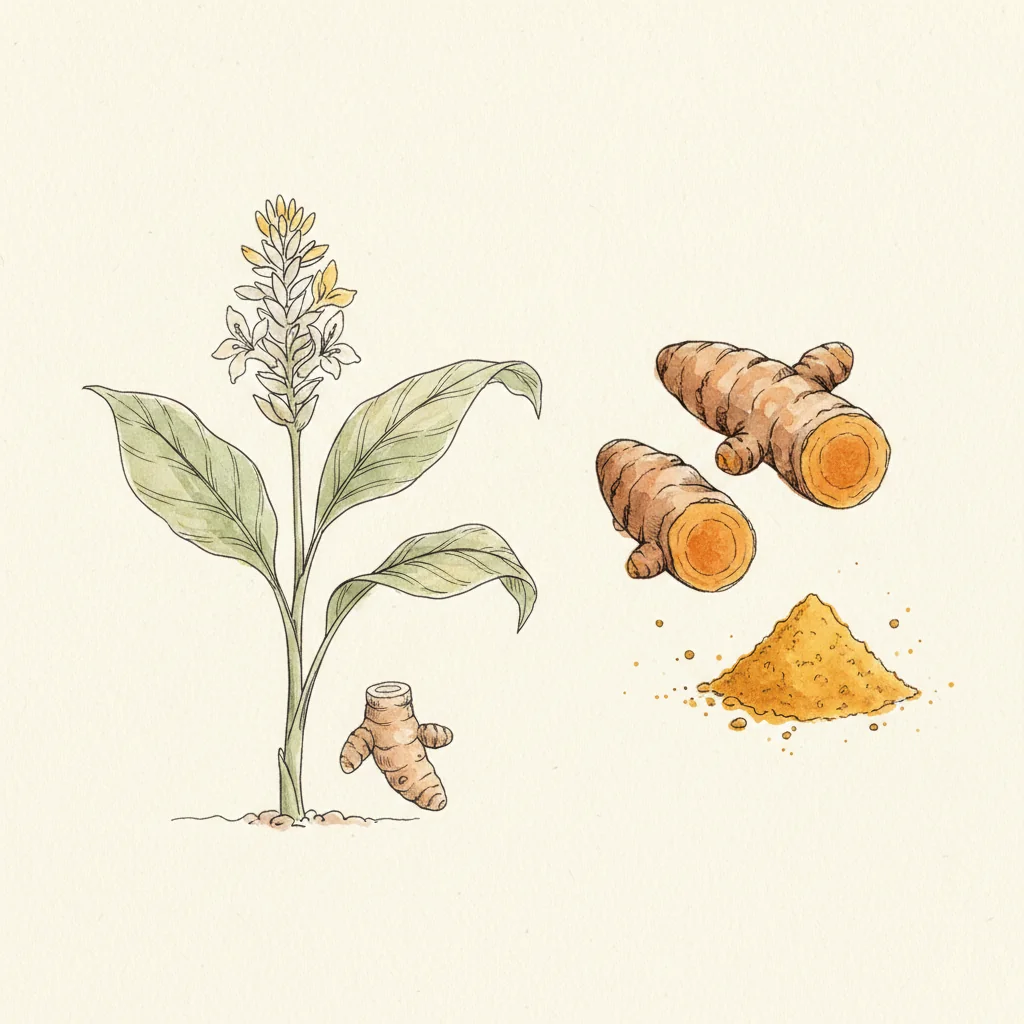
Spice · Spice root
Pragati Turmeric
near Vijayawada, Andhra Pradesh, India
-
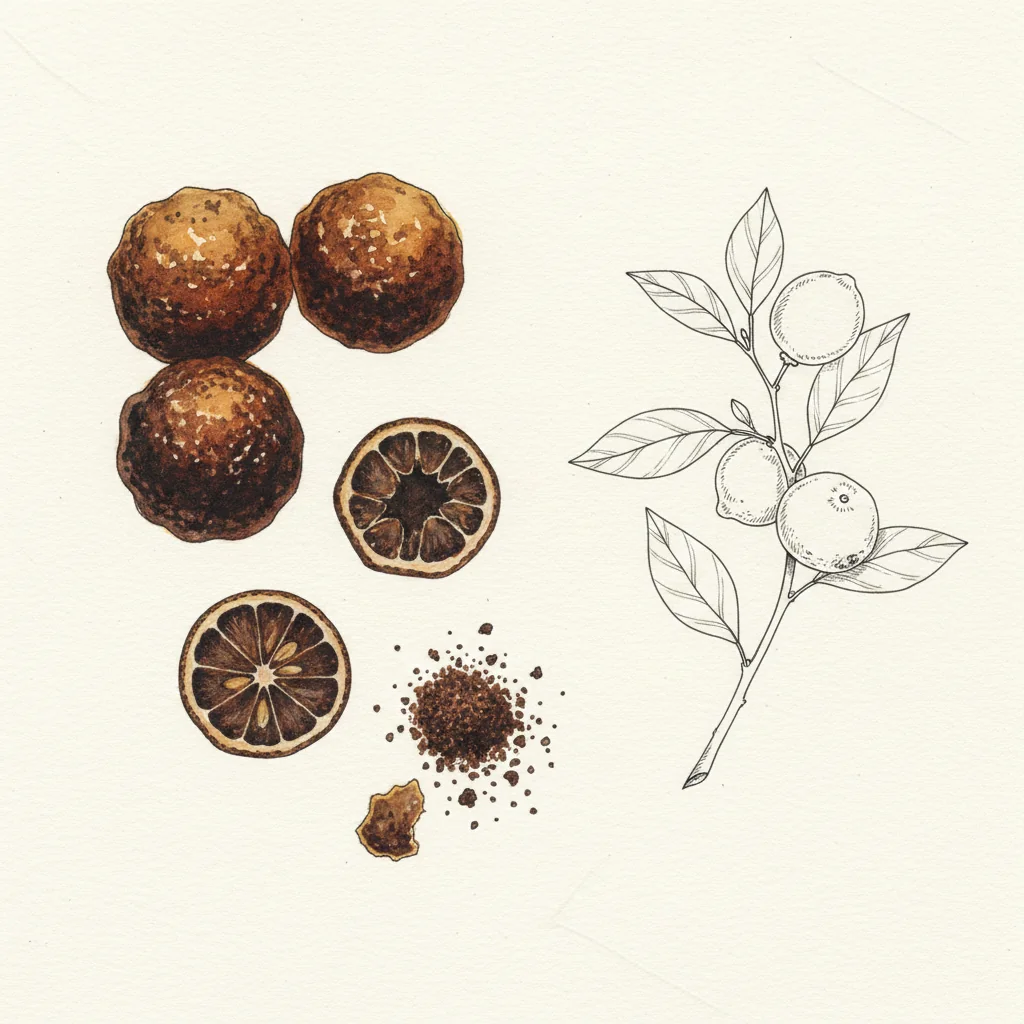
Spice · Dried lime
Black Lime (Loomi)
Traditionally Oman, Iraq and Iran (Basra, Oman); the Burlap & Barrel single-origin powder is grown and sun-dried in Alta Verapaz, Guatemala, Persian Gulf (traditional); Guatemala for the Burlap & Barrel jar
-
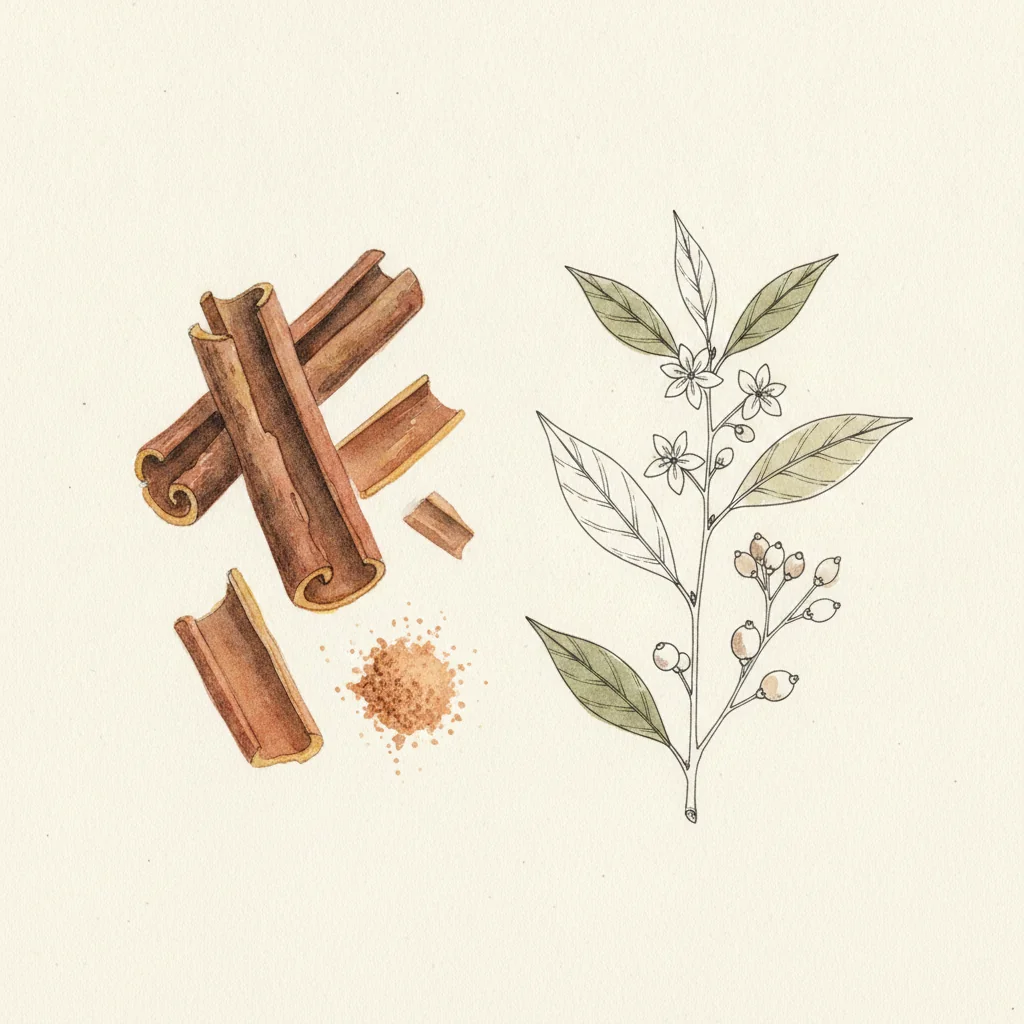
Spice · Whole spice
Saigon Cinnamon
Highland forests around Huế and Quảng Nam, central Vietnam, Vietnam
-
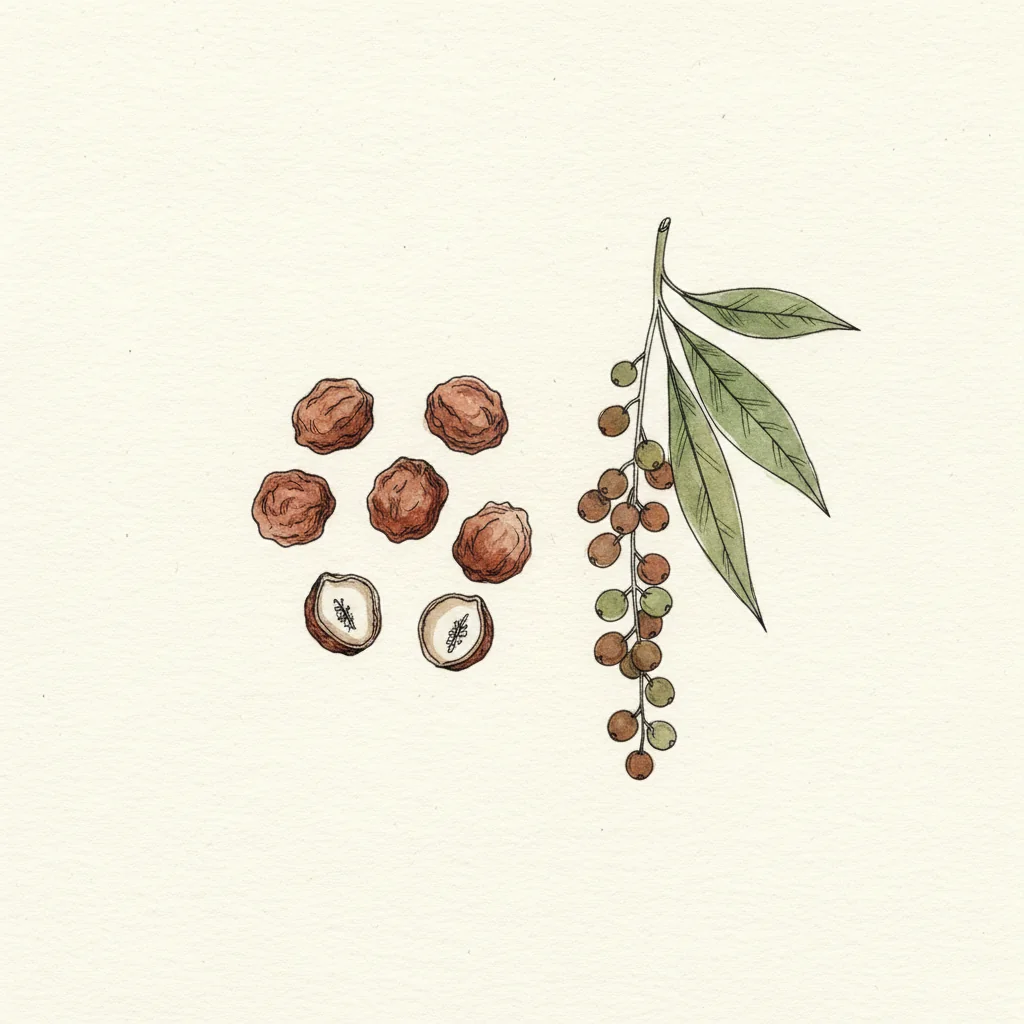
Pepper · Pepper cousin
Grains of Paradise
Gulf of Guinea coast (Ghana, Togo, Liberia, Côte d'Ivoire), Ghana
-
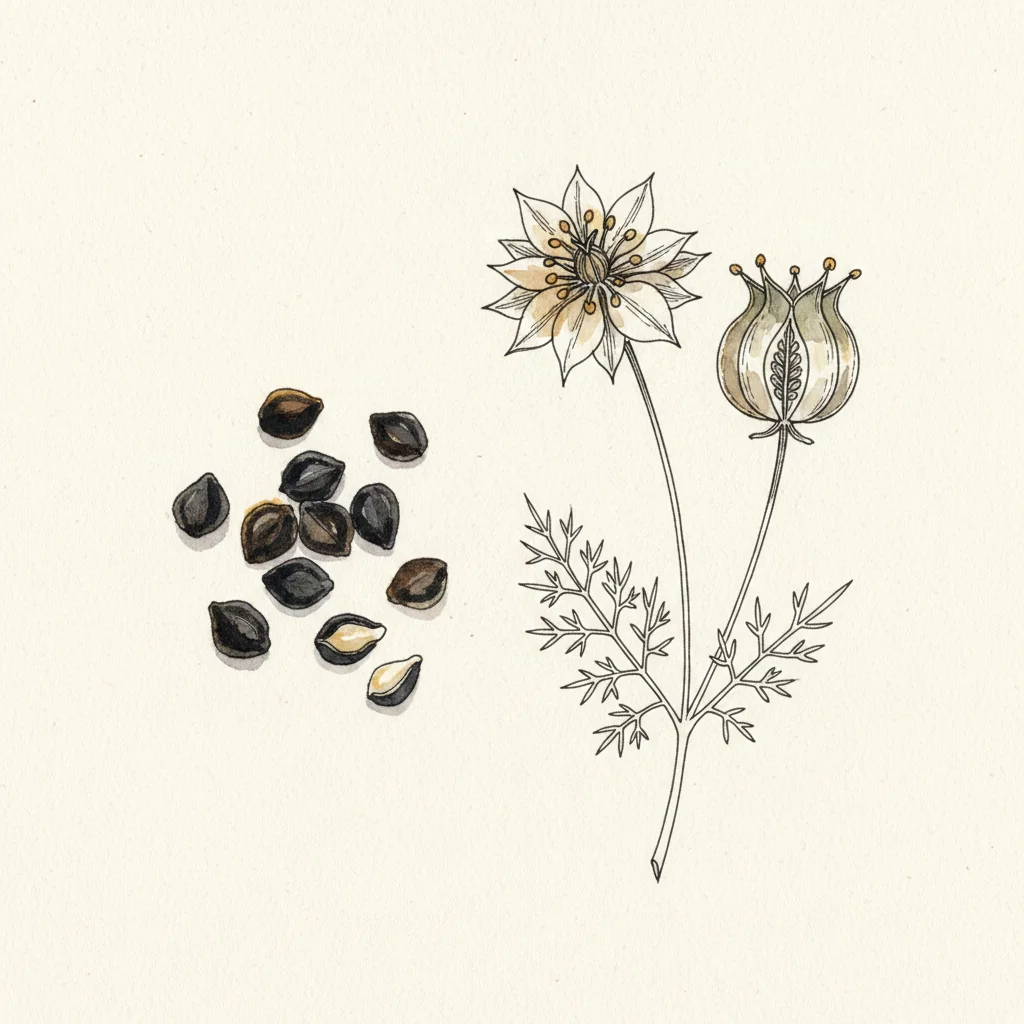
Spice · Spice seed
Nigella Seeds (Black Cumin)
Nile Valley, Upper Egypt, Egypt
-
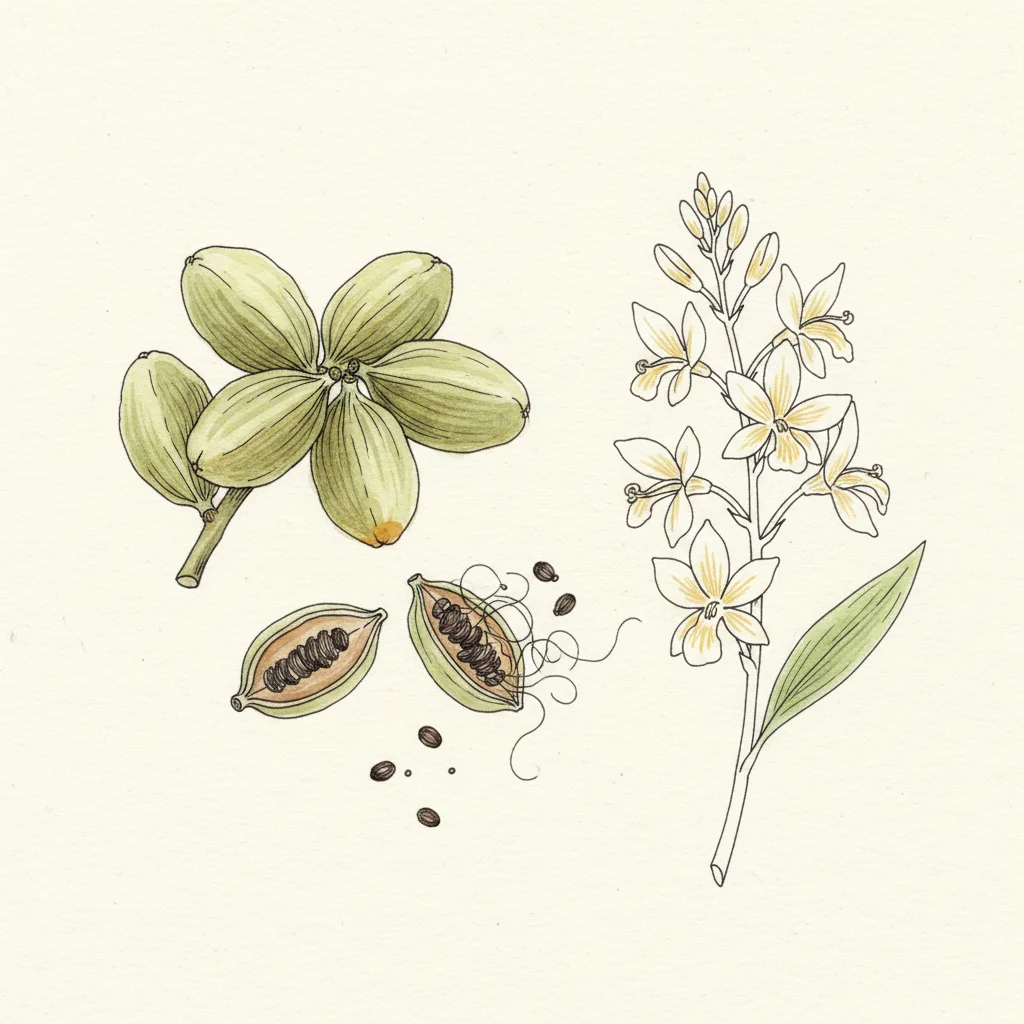
Spice · Spice seed
Green Cardamom
Western Ghats (Kerala, Karnataka, Tamil Nadu), India
Where to buy
Burlap & Barrel sells mainly direct from burlapandbarrel.com, which is also where the full single-origin range and the freshest stock live; there is some retail placement at specialty US grocers, but online is the reliable source. Jars typically run around 7 to 13 dollars depending on the spice, more than a supermarket jar and worth it for the freshness and origin, especially since you use less of a more potent spice. Practical advice for US cooks: start with the lines that are genuinely distinctive rather than just fresher, such as the Pragati New Harvest Turmeric for its high curcumin, the Guatemalan single-origin Black Lime, the Royal Cinnamon from Vietnam, and the Grains of Paradise; these justify the premium most clearly. Buy on the harvest calendar, because single-origin lines sell out and restock seasonally, so if a favorite is in stock and you use it, buy it. For UK cooks, Burlap & Barrel is a US import with high shipping, so it rarely makes sense; the equivalent direct-trade and single-origin role in Britain is filled by Steenbergs, Sous Chef's own sourcing, and Spice Mountain, which you should reach for instead. Store the jars away from heat and light and use ground spices within a year for full potency, since the entire point of buying fresh is lost if they sit. The company runs sampler and bundle sets that are a sensible way to rebuild a cabinet without committing to full jars of everything at once.
Good to know
Three frank points. First, the direct-trade premium is real: these jars cost more than supermarket spices, and the honest justification is freshness, traceability, and farmer pay, not a magic flavor that defies physics; you use less of a fresher spice, which narrows the cost gap in practice. Second, the single-origin model means stock-outs between harvests, so do not build a recipe around a specific Burlap & Barrel line being perpetually available, and buy when it is in stock. Third, this is a US-default recommendation: for UK cooks the shipping kills the value, and Steenbergs, Sous Chef, or Spice Mountain cover the same ground locally. The verdict: on traceability and freshness Burlap & Barrel is close to the ideal La Pincée argues for, naming the farm, pricing it honestly, and shipping it fresh, and for an American cook upgrading from supermarket jars it is the obvious default, with the high-curcumin turmeric and the Guatemalan single-origin lines being the standouts.