
Producer
La Plantation (Kampot)
Kampot province, Cambodia · since 2013 · founded by Nathalie Chaboche and Guy Porré
The Kampot pepper estate founded by Nathalie Chaboche and Guy Porré in 2013, now one of the largest producers of PGI Kampot pepper and a vertically integrated farm-to-export operation. Organic certified, with the famous red, black, and white peppers plus a flagship long pepper, and a visitor farm that made it the public face of Cambodian pepper.
History
La Plantation was founded in 2013 by Nathalie Chaboche and Guy Porré, a French-Belgian couple who established a pepper estate in the Kampot region of southwestern Cambodia, the same hills and red laterite soils that made Kampot pepper famous before the Khmer Rouge years destroyed the trade. They arrived as the Kampot Protected Geographical Indication, recognized in Cambodia in 2010 and granted European PGI in 2016, was rebuilding the appellation, and La Plantation grew into one of the largest producers of PGI Kampot pepper and a vertically integrated operation that controls the chain from the vine to export. The estate is organic certified, grows the pepper on living wooden posts in the traditional tutoring method, harvests by hand, and produces the full Kampot range: the green fresh peppercorns, the black (picked green-ripe and sun-dried), the white (ripe and depulped), and the prized red, which is the fully tree-ripened berry harvested selectively, the most expensive because the yield per vine is low. Beyond the classic Kampot peppercorns, La Plantation produces a notable long pepper and a range of other estate spices, and it built a visitor farm and tour operation that turned it into a tourist destination and the most publicly visible face of Cambodian pepper. That visibility is a double-edged thing for the appellation: La Plantation's scale and marketing made Kampot pepper known to a far wider audience and put a transparent, organic, fair-employment operation at the center of the story, but it also means much of what consumers think of as Kampot is specifically La Plantation's product rather than the appellation as a whole, which includes many smaller family producers. The company emphasizes fair employment, organic certification, and traceability, and the farm-to-export integration is genuine: it grows, processes, packs, and exports its own pepper rather than buying in. The honest framing is that within Kampot PGI there is a real range, and a hand-harvested estate micro-lot differs from a generically labeled PGI Kampot bought cheaply; La Plantation sits at the high, transparent, organic end, and its red pepper in particular is one of the great peppers of the world, with a complexity of candied red fruit, citrus, and eucalyptus that justifies the price. The risks are the appellation-wide ones: tourism pressure on Kampot land, climate sensitivity of the crop to too much or too little rain, and the fraud problem of Vietnamese or Indonesian pepper sold under the Kampot name, against which buying from a transparent, identifiable producer like La Plantation is the cook's protection.
How they work
La Plantation is a vertically integrated, organic-certified estate that controls the chain from vine to export. Pepper is grown on living wooden tutoring posts in the traditional Kampot method, without heavy irrigation, on the region's red laterite soils, and harvested by hand, vine by vine, at the stage required for each product. The black is picked green-ripe and sun-dried; the white is the ripe berry hand-depulped and dried; the red is the fully tree-ripened berry, selectively hand-picked, which is why its yield per vine is low and its price high. Drying is solar, with no mechanical drying or fumigation, in line with the PGI charter that defines the zone (Kampot and Kep provinces), the local Kamchay variety, and the hand methods. The estate processes, grades, packs, and exports its own crop rather than selling to a third party, which is the basis of its traceability and the farm-to-export claim. Organic certification and stated fair-employment practices anchor the ethical positioning. A visitor farm and tour operation runs alongside production. Output is constrained by the hand-harvest, especially for the selectively picked red, and by the climate sensitivity of the crop.
Specialties
- PGI Kampot pepper
- tree-ripened red pepper
- long pepper
Products from this house on La Pincée
-
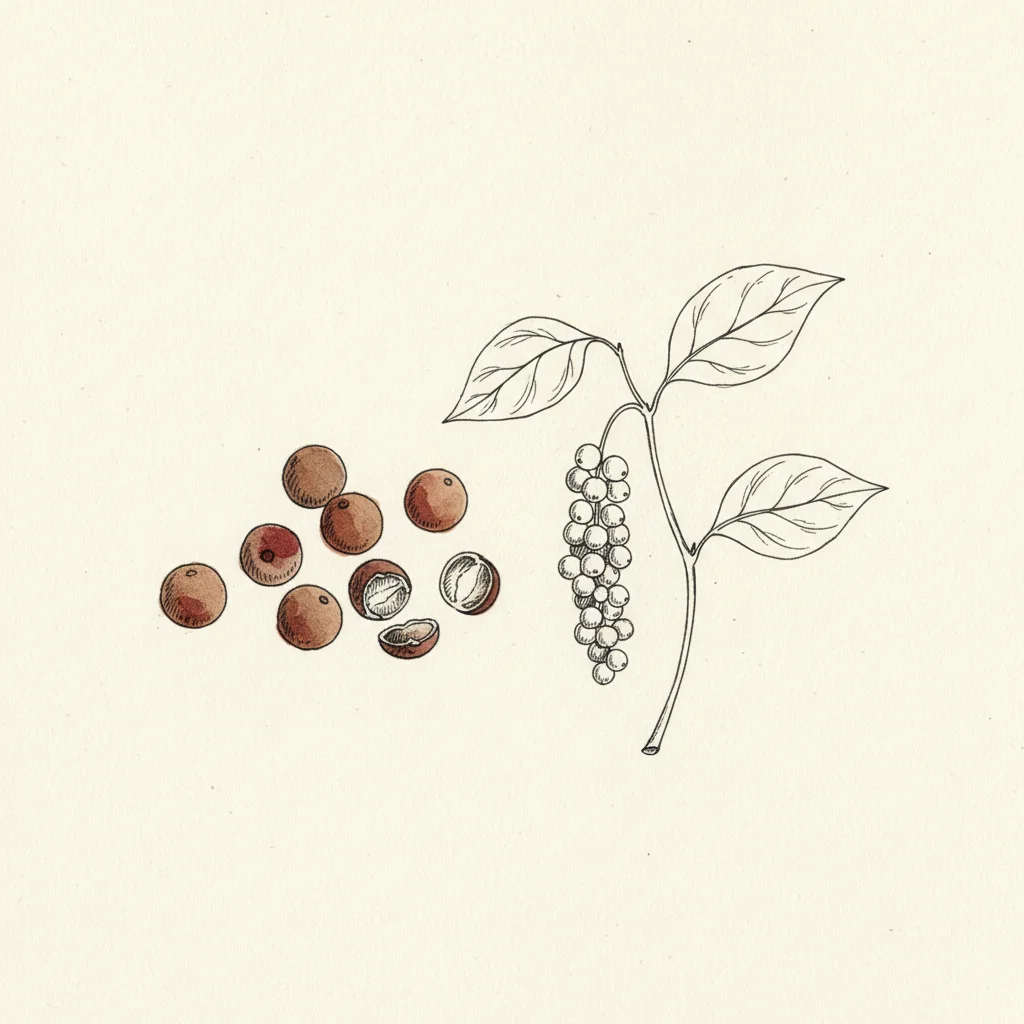
Pepper · Red pepper
Kampot Red Pepper
Kampot and Kep provinces, Cambodia (PGI)
-
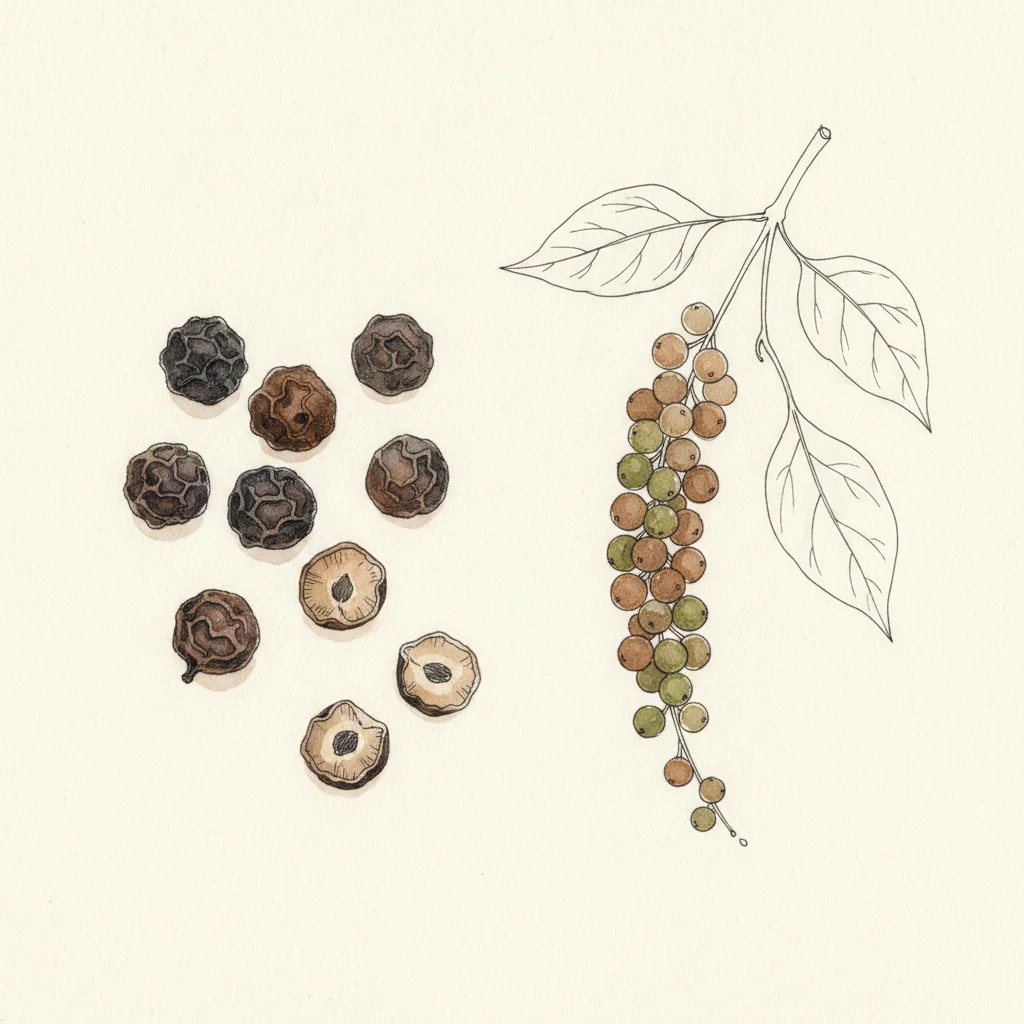
Pepper · Black pepper
Kampot Black Pepper
Kampot and Kep provinces, Cambodia (PGI)
-
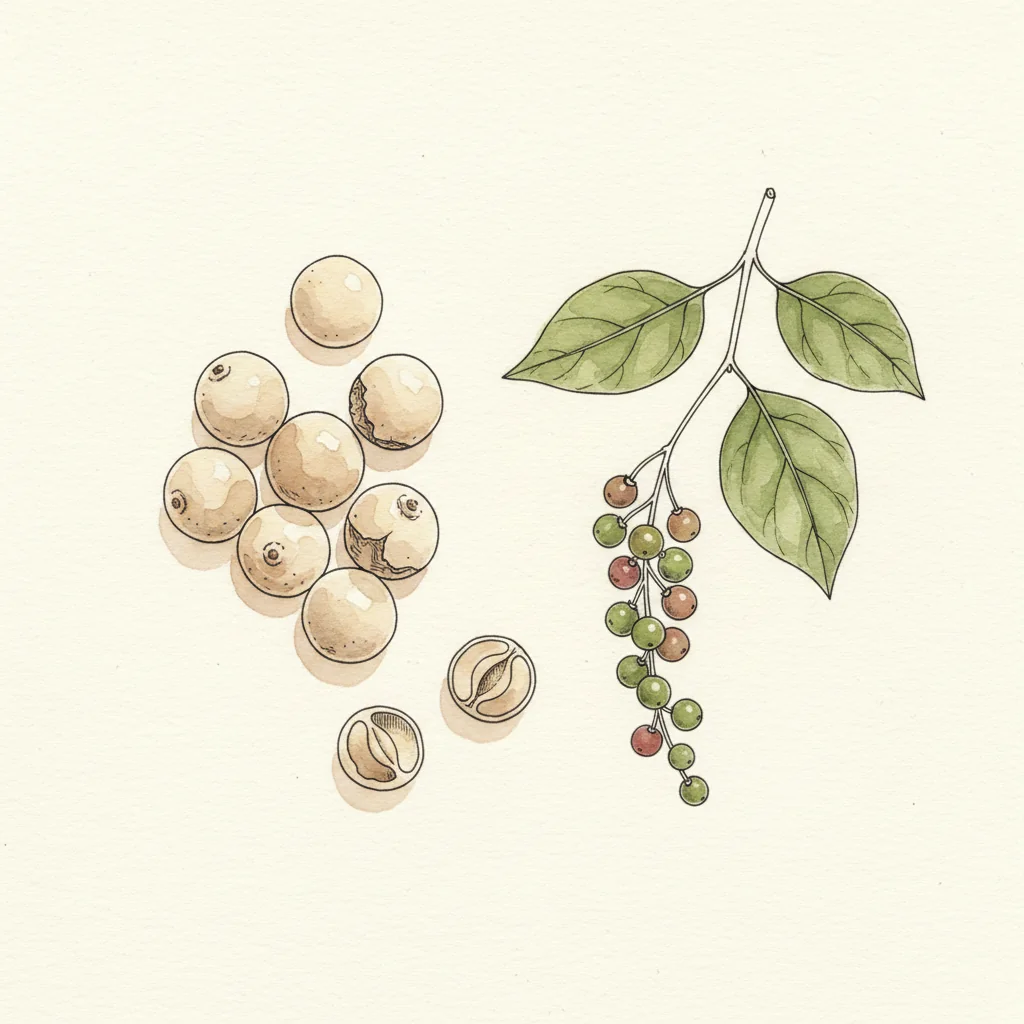
Pepper · White pepper
Kampot White Pepper
Kampot and Kep provinces, Cambodia (IGP/PGI)
-
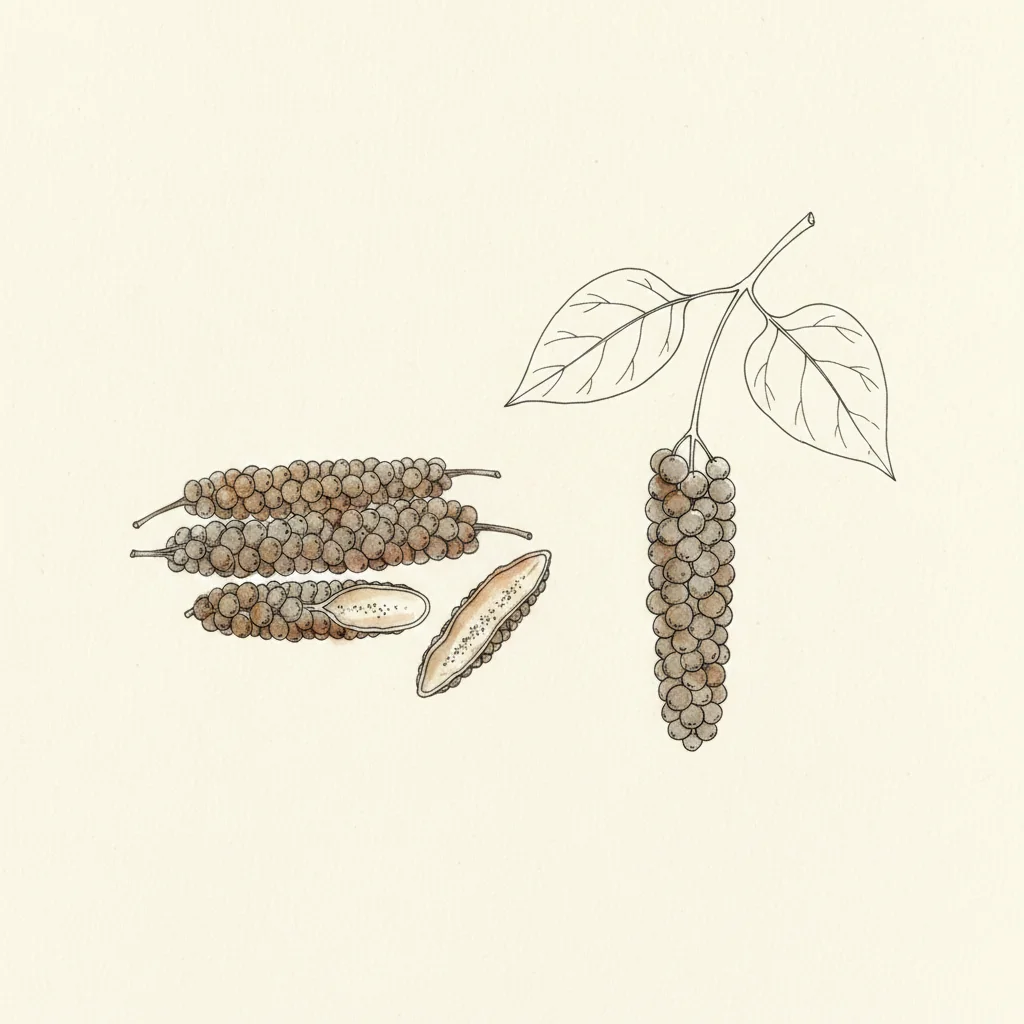
Pepper · Long pepper
Long Pepper
Java and Sumatra, Indonesia
-
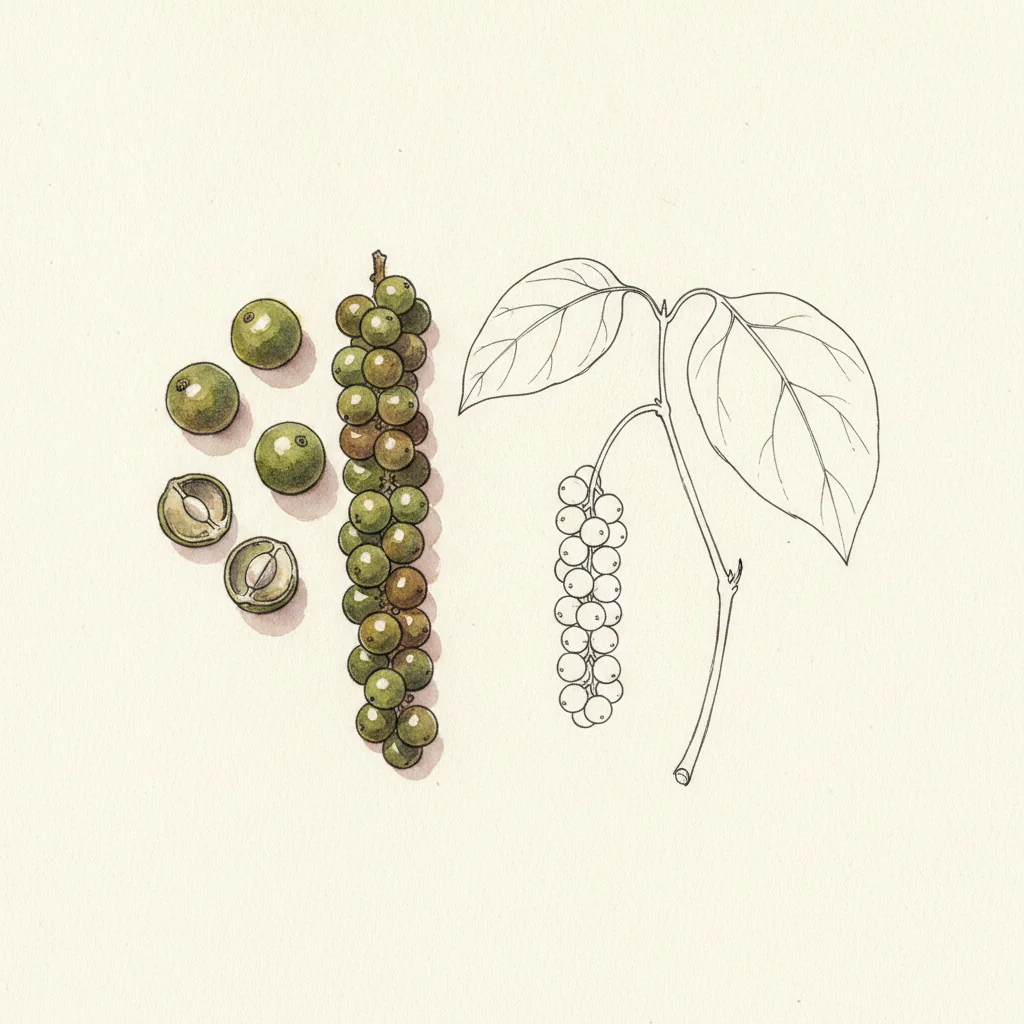
Pepper · Green pepper
Green Peppercorns
East coast, plantations around Antalaha, Madagascar
Where to buy
La Plantation distributes internationally through its own channels and selected retailers. In Europe it sells via its own distribution and through gourmet shops; in the UK look for it at Sous Chef and specialty grocers, and in the US through specialty importers and online. Expect roughly 8 to 18 dollars or pounds for a small pack depending on the type, with the red being the dearest because of its low yield. Practical advice: for a first taste of why Kampot matters, buy the red pepper in whole corns and grind it fresh in modest amounts, because it is intensely aromatic and a little goes far; the black is the more versatile everyday Kampot and the white the more delicate and rarer. The long pepper is a distinctive extra worth trying. Always check for the PGI mark and an identifiable producer like La Plantation, because Kampot is heavily counterfeited, with Vietnamese or Indonesian pepper sold under the name, and buying from a transparent estate is the protection. Buy the most recent harvest (the Kampot season runs roughly February to May) and avoid loose, uncertified market pepper sold to tourists, where the fraud risk is highest. Store in an opaque, sealed container and use within about a year of harvest, since the red in particular loses its singular fruit-and-citrus complexity quickly once exposed to light. For a UK cook, Sous Chef is the convenient route; for a US cook, a specialty importer or direct online order gets you the verified estate product rather than a marketplace gamble.
Good to know
Three frank points. First, within Kampot PGI there is a real quality range, and a hand-harvested organic estate lot from a transparent producer like La Plantation is not the same as a generically labeled cheap PGI Kampot; buy from an identifiable producer to be sure what you are getting. Second, the red pepper is genuinely one of the world's great peppers and earns its high price, but the price is durable because tree-ripened red has a low yield per vine and total Kampot production is small, so do not expect it to get cheap. Third, fraud is the real hazard: Vietnamese or Indonesian pepper is sold under the Kampot name, so check the PGI mark and the producer, and avoid loose tourist-market pepper. The verdict: La Plantation is the transparent, organic, vertically integrated high end of Kampot and the safest way to taste the appellation at its best, with the red pepper the standout and the black the everyday workhorse.