
House
Savannah Bee Company
Savannah, Georgia, United States · since 2002 · founded by Ted Dennard
The Georgia honey company founded by beekeeper Ted Dennard in 2002, specializing in single-varietal American honeys, including the rare and protected Tupelo honey from the Florida river swamps, plus sourwood, acacia, and other regional varietals. The US reference for tasting how a single floral source shapes a honey, beyond generic supermarket blends.
History
Savannah Bee Company was founded in 2002 by Ted Dennard, a Georgia beekeeper who had kept bees since he was a teenager, taught by a beekeeper who placed hives on his family's land. The company built its identity on single-varietal honeys, honey from bees foraging predominantly one floral source, which carry distinct flavors, colors, and textures the way single-origin coffee or single-malt whisky does, against the generic blended supermarket honey that is a homogenized average. The crown jewel of the American single-varietal tradition, and a Savannah Bee signature, is Tupelo honey, produced in a narrow window from the white tupelo trees of the Apalachicola River basin in the Florida panhandle. Tupelo is special and rare for a specific reason: it is high in fructose relative to glucose, which means it resists crystallizing and stays liquid almost indefinitely, and it has a clean, buttery, floral character prized above almost any other American honey. The tupelo bloom is brief and the river-swamp habitat limited, so genuine Tupelo honey is scarce and expensive, and like manuka it is a target for mislabeling, with cheaper honey sold under the name. Savannah Bee also produces and sources other single-varietals: sourwood, from the Appalachian sourwood tree, another prized and limited American honey with an anise-and-spice note; acacia (from black locust), pale and mild and slow to crystallize; orange blossom; and others. The company foregrounds the varietal-source story, the seasonal and floral specificity, in the way the spice single-origin houses foreground the farm. The honest framing for the cook is that single-varietal honeys are eating and finishing honeys, bought for their distinct character to be tasted raw, on bread, with cheese, drizzled over yogurt, or in a final glaze, rather than as a generic sweetener where the cheaper blend does the job and the character is wasted. Tupelo and sourwood in particular are the standouts worth the premium, both because they are genuinely distinctive and because they are scarce; acacia is the everyday-into-special mild honey. The company grew into a substantial retail and online operation with its own stores, and Dennard remained a public advocate for bees and beekeeping, which keeps the story credible rather than purely commercial. The risk is the same as any premium-varietal category: the scarce names (Tupelo above all) are mislabeled, so buying from a transparent, established producer that controls or closely sources its varietals is the protection. For an American cook wanting to understand how floral source shapes honey, Savannah Bee is the accessible reference, the way Giusti is for balsamic, demonstrating the ladder from a mild acacia to a distinctive Tupelo and teaching that honey, like salt or pepper, is not one undifferentiated thing.
How they work
Savannah Bee produces and sources single-varietal honeys, honey from bees foraging predominantly one floral source, which is the method that gives each its distinct flavor, color, and crystallization behavior, against the homogenized average of blended supermarket honey. Capturing a varietal requires placing hives in the right habitat at the right narrow bloom window and harvesting before the bees mix in nectar from other sources; for Tupelo, that means the white tupelo bloom in the Apalachicola River swamps of the Florida panhandle, a brief season in a limited habitat, which is why genuine Tupelo is scarce. The same logic governs sourwood (Appalachian sourwood bloom), acacia (black locust), and the other varietals. Tupelo's high fructose-to-glucose ratio is what keeps it liquid almost indefinitely without crystallizing, a natural property of the floral source rather than processing. The company foregrounds the varietal and seasonal source as its guarantee, and its scale and sourcing relationships let it secure genuine varietal lots in a category where the scarce names are mislabeled. Honey is minimally processed, raw or gently handled to preserve character, not heat-treated into a uniform commodity product.
Specialties
- single-varietal American honey
- Tupelo and sourwood honey
- acacia and regional varietals
Products from this house on La Pincée
-
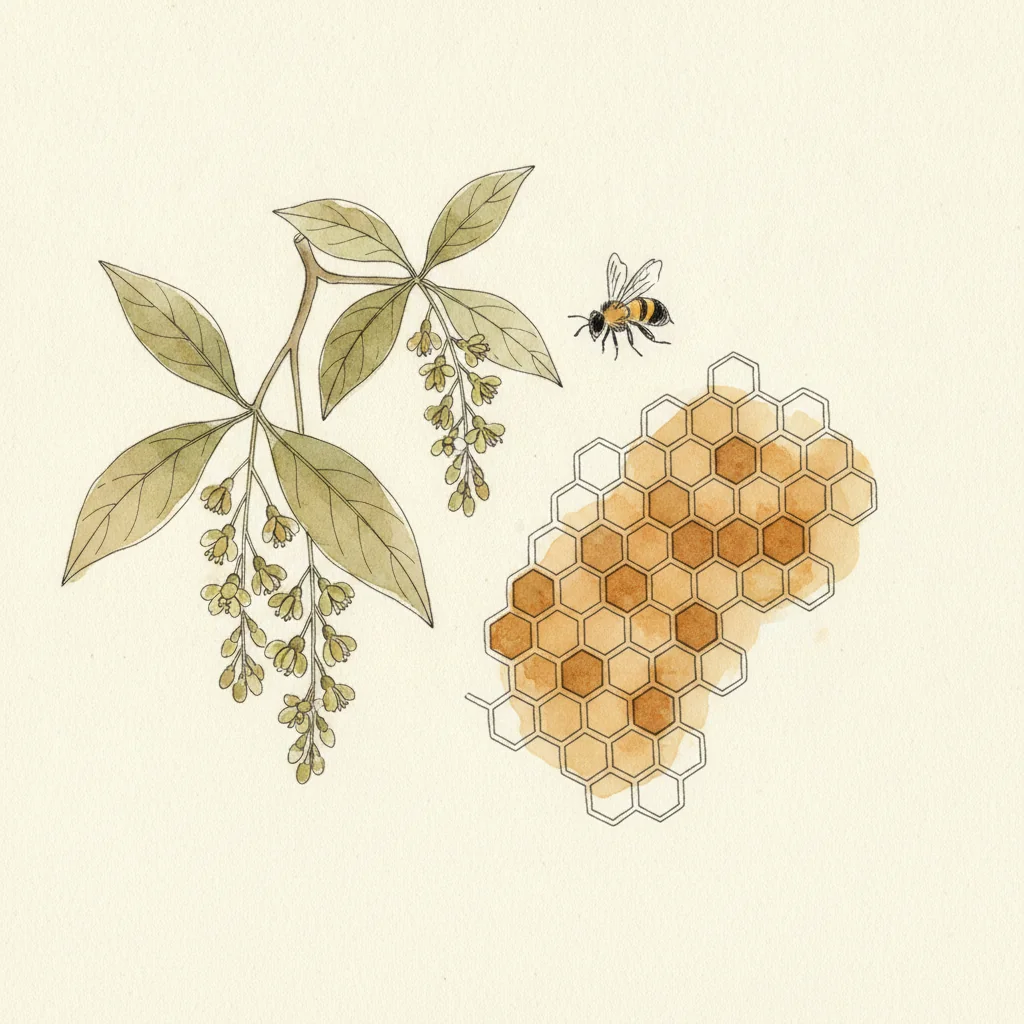
Honey · Varietal honey
Tupelo Honey
Apalachicola River basin, Florida (Wewahitchka, Gulf County), United States
-
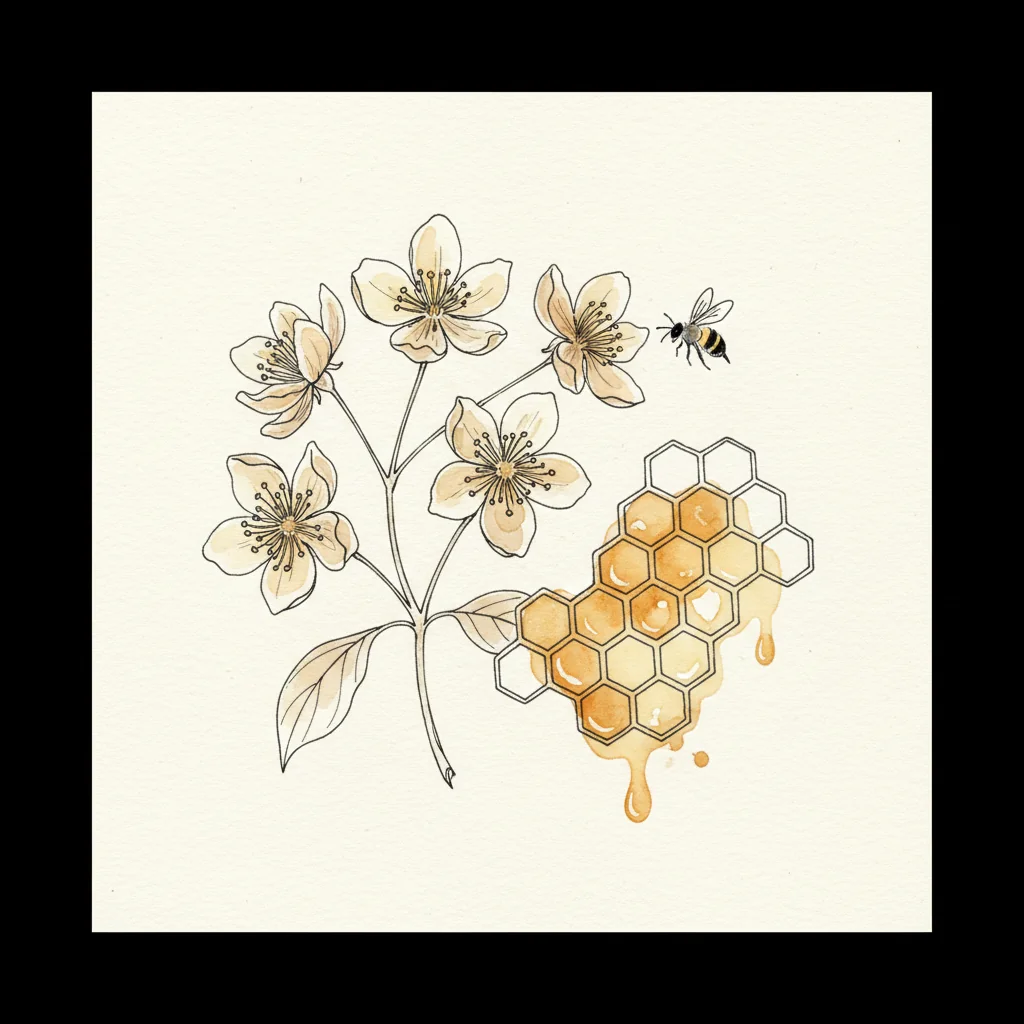
Honey · Monofloral honey
Sourwood Honey
Southern Appalachians (North Carolina, Georgia, Tennessee), United States
-
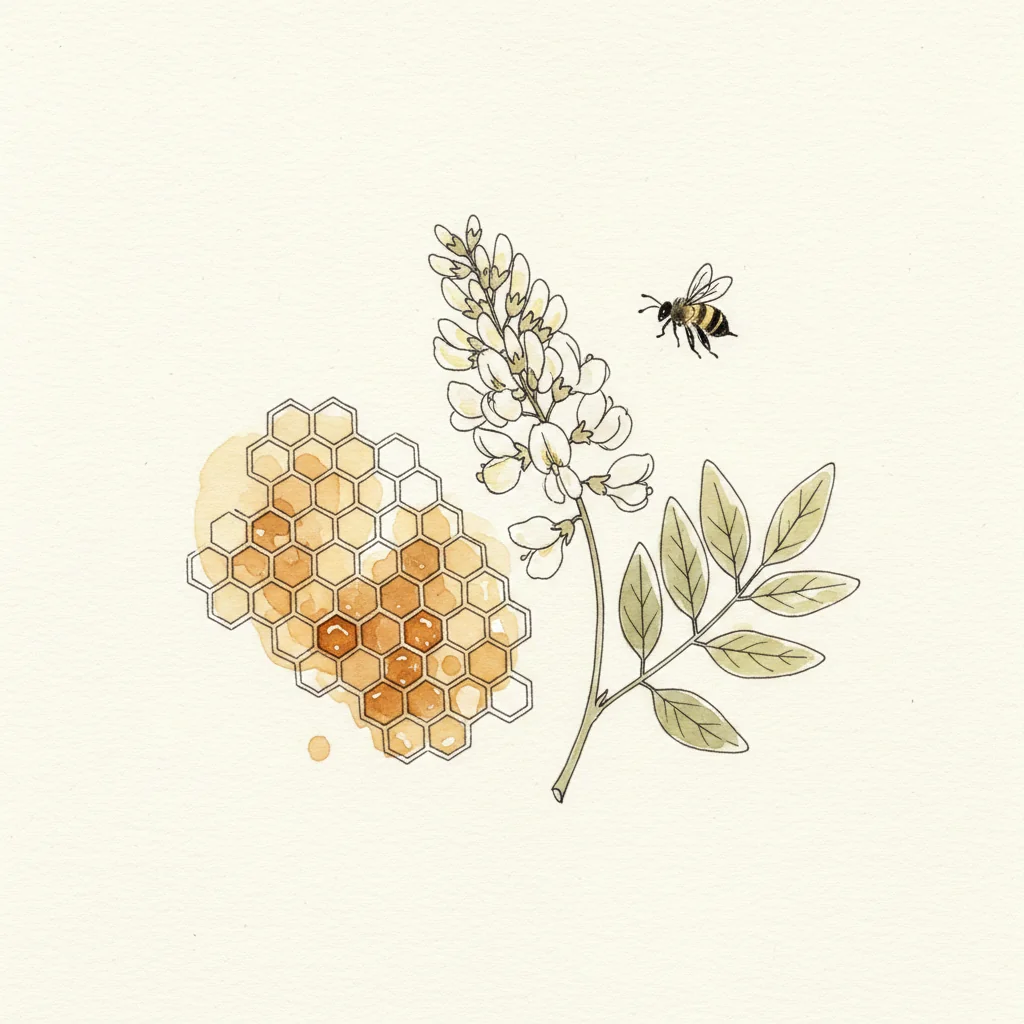
Honey · Monofloral honey
Acacia Honey
Great Hungarian Plain and the wider Carpathian Basin (also Romania, Bulgaria, Serbia), Hungary
-
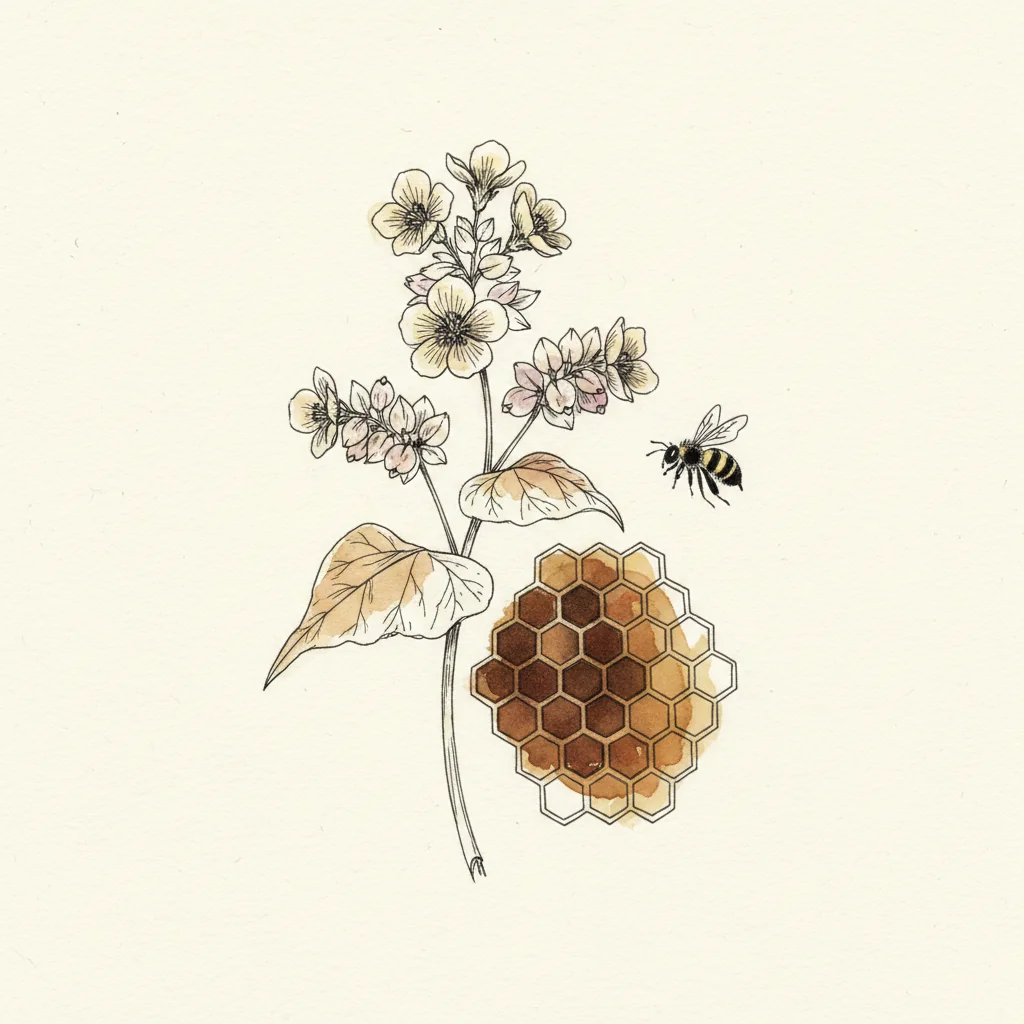
Honey · Monofloral honey
Buckwheat Honey
Upstate New York & Minnesota (also the Dakotas), United States
Where to buy
Savannah Bee sells through its own retail stores, specialty US grocers, gift and food shops, and online at savannahbee.com; it is primarily a US proposition. Prices track scarcity: acacia and the milder varietals run roughly 10 to 18 dollars a jar, while genuine Tupelo and sourwood, being scarce and limited by short blooms, run higher, often 18 to 35 dollars or more for a meaningful jar. Practical advice for US cooks: buy single-varietal honey as an eating and finishing honey, to be tasted raw on bread, with cheese, over yogurt, or in a final cold drizzle, where the distinct character is the point; for sweetening tea or baking in volume, a cheaper blend does the job and the varietal character is wasted. Tupelo and sourwood are the standouts worth the premium, both genuinely distinctive and genuinely scarce; acacia is the gentle everyday-into-special choice. Because Tupelo especially is mislabeled in the wider market, buy it from a transparent, established producer like Savannah Bee rather than an unknown roadside or marketplace jar; genuine Tupelo stays liquid and does not crystallize, which is one practical authenticity check. For UK cooks, Savannah Bee is a US import with high shipping and little advantage over excellent British and European honeys, so it rarely makes sense; seek out single-source local honeys or European varietals instead. Honey keeps almost indefinitely, so buy the jar you want for its character and use it where you will taste it; store at room temperature away from heat, and do not refrigerate, which hastens crystallization in the varieties prone to it.
Good to know
Three honest points. First, single-varietal honeys are eating and finishing honeys bought for their distinct character; use them raw where you taste them, and use a cheap blend for sweetening tea or baking in volume, because heat and dilution waste the varietal character you paid for. Second, the scarce names, Tupelo above all, are mislabeled in the wider market, so buy them from a transparent, established producer; genuine Tupelo's resistance to crystallizing (from its high fructose content) is a useful authenticity tell. Third, this is a US-default recommendation: for UK cooks the shipping kills the value and excellent local and European single-source honeys cover the same ground. The verdict: Savannah Bee is the accessible American reference for tasting how floral source shapes honey, the honey equivalent of what Giusti is for balsamic, with Tupelo and sourwood the distinctive splurges and acacia the gentle everyday upgrade.