
House
Spicewalla
Asheville, North Carolina, United States · since 2017 · founded by Meherwan Irani
The Asheville spice company founded by chef Meherwan Irani in 2017, freshly grinding and small-batch packing spices, single-origin chilies, and blends in recyclable tins. Born out of Irani's Indian restaurant group, it brings restaurant-grade freshness and a deep blend range to the home cook, with the chilies and the house masalas as the standouts.
History
Spicewalla was founded in 2017 by Meherwan Irani, the chef behind the Chai Pani restaurant group in Asheville, North Carolina and Atlanta. The company grew directly out of the restaurants' need for fresher, better spices than the food-service supply chain offered, and Irani turned that internal sourcing operation into a consumer brand. The founding thesis is freshness through small-batch grinding and fast turnover: rather than buying pre-ground spices that have sat for a year, Spicewalla grinds in small batches and packs into recyclable metal tins, so the spice reaches the cook closer to its peak. The range is broad and chef-driven, reflecting Irani's background: a deep catalog of single spices, a wide set of single-origin and regional chilies, and a large blend program that includes both classic global blends and house masalas rooted in Indian cooking. The blends are a particular strength, because they carry a working chef's judgment about ratio and balance rather than a generic supermarket formula. Spicewalla leaned into collaborations with other chefs and food personalities, releasing co-branded blends, which both extended the range and reinforced the restaurant-credibility positioning. The brand became widely distributed for a company of its age, reaching specialty grocers and a strong direct-to-consumer business, and the tins, designed to be collected and reordered, became a recognizable look on home spice shelves. The honest limitations: Spicewalla is more a fresh-grind-and-blend specialist than a radical direct-trade transparency operation in the Burlap & Barrel or Diaspora mold, so while freshness and quality are the clear strengths, the published farm-level traceability is less central to its pitch. The chilies and the masalas are where it most clearly outperforms supermarket spice, and the freshness is genuine because the grinding model is built around it. For a US home cook, Spicewalla occupies a slightly different slot from the single-origin houses: it is the chef's-pantry brand, strongest on blends and ground chilies and on the convenience of a broad, fresh, well-organized range, and it is more readily available on shelves than the more boutique single-origin competitors. The restaurant lineage is the credibility, and unlike a marketing-led brand it is real: the spices were good enough to run a restaurant group on first. The risk for the brand is the same breadth that is its strength, since a very large catalog of single spices and blends is harder to keep all fresh and fast-moving than a focused single-origin list, but the small-batch grinding model is designed to manage exactly that.
How they work
Spicewalla's method centers on small-batch grinding and fast turnover. Rather than buying pre-ground spice that has aged in a warehouse, the company grinds in small batches close to the time of packing and fills recyclable metal tins, so the volatile oils that carry aroma are fresher when they reach the cook. The range spans single spices, a wide set of single-origin and regional chilies, and a large blend program; the blends are formulated with the judgment of a working chef group rather than a generic commodity recipe, which is the strongest differentiator. The lineage matters to the method: the sourcing operation began as the supply for Irani's restaurants, so the standard was restaurant use before it was retail. The traceability and direct-trade transparency are less foregrounded than at the single-origin houses; the central promise is freshness through the grind-and-pack model and quality through chef-led selection and blending. The tins are designed for reorder, reinforcing fast turnover. The breadth of the catalog is managed by the small-batch approach, which lets the company keep many lines moving without grinding huge stocks that would sit and stale.
Specialties
- small-batch ground spices
- single-origin and regional chilies
- chef-driven blends and masalas
Products from this house on La Pincée
-
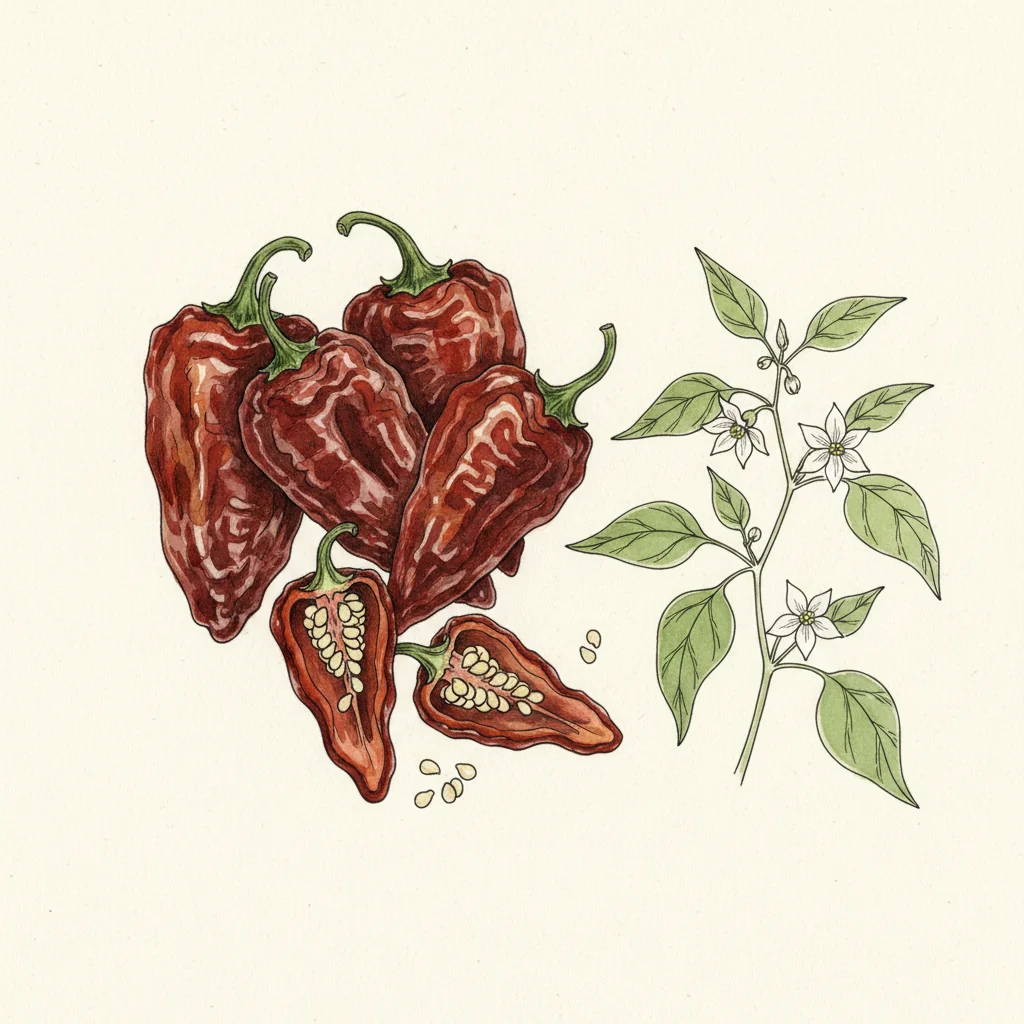
Spice · Chile
Ancho Chile
Puebla and Zacatecas, plus the central highlands of Guanajuato and Durango, Mexico
-
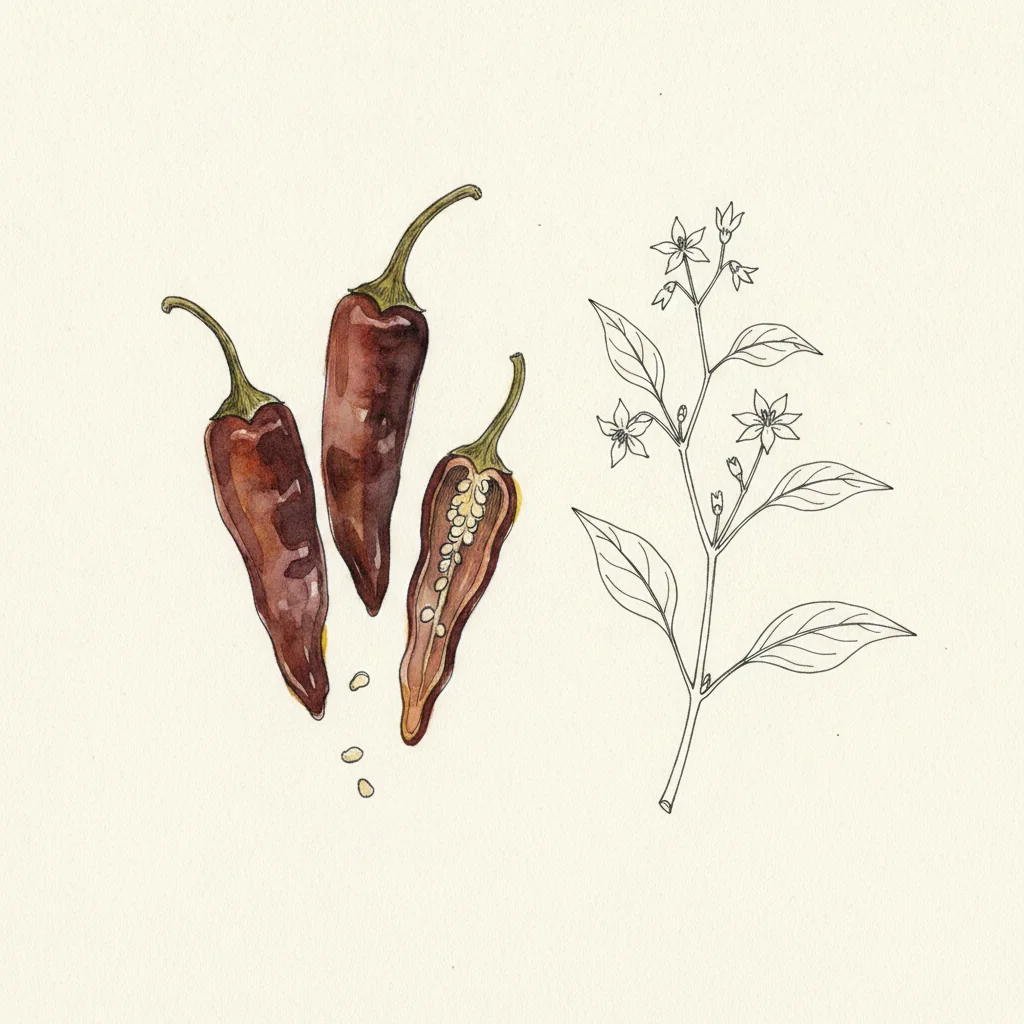
Spice · Chile
Guajillo Chile
Zacatecas and Durango (the dry highland Bajío-to-north belt where mirasol is grown), Mexico
-
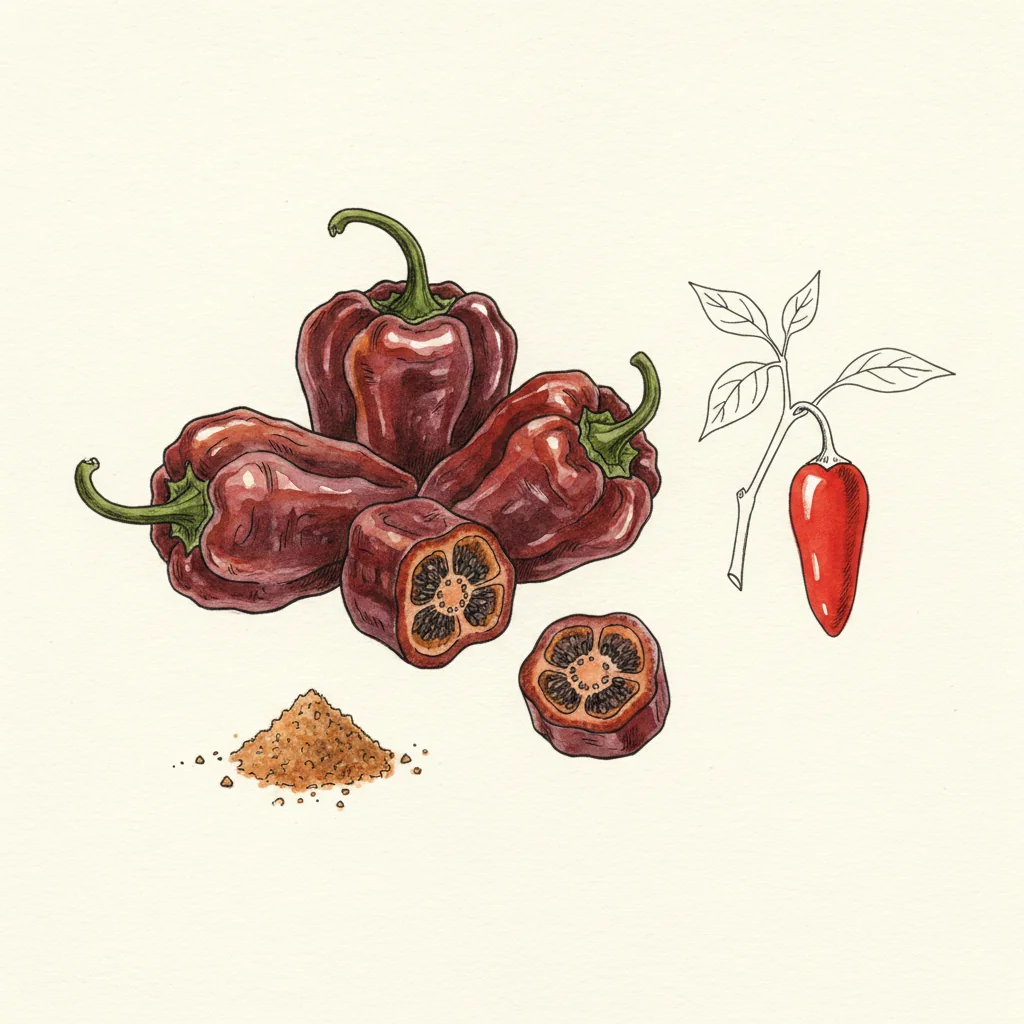
Spice · Dried smoked chile
Chipotle Morita
Chihuahua and Veracruz, Mexico
-
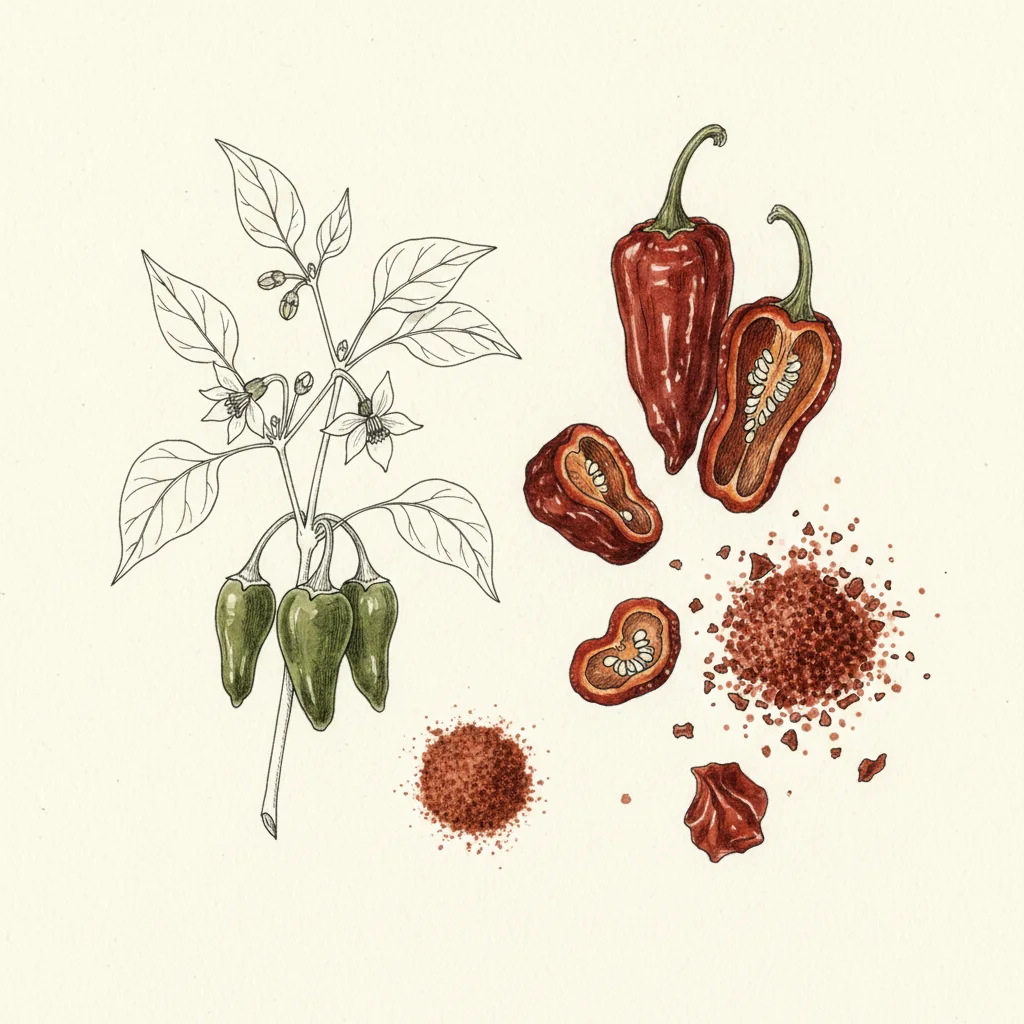
Spice · Paprika
Smoked Paprika de la Vera DOP
La Vera comarca, northern Extremadura (Cáceres province), Spain (DOP)
-
Spice · Blend
Ras el Hanout
Made across the country, with signature recipes in Fès, Marrakech and Tétouan, Morocco
-
Spice · Blend
Baharat
Made across the Arab world, with distinct house recipes in Lebanon, Syria, Turkey and the Gulf states, Levant & Gulf
Where to buy
Spicewalla is one of the easier quality spice brands to buy in the US, with strong specialty-grocer placement plus direct ordering from spicewallabrand.com, which carries the full range. Tins run roughly 7 to 12 dollars depending on the spice or blend, a clear step up from supermarket jars and justified by the fresher grind. Practical advice for US cooks: the chilies and the blends are where Spicewalla most clearly beats the supermarket, so reach for the single-origin and regional chilies (ancho, guajillo, chipotle morita) and the house and global blends (the ras el hanout, baharat, and the masalas carry a real chef's balance). For straightforward single spices the freshness is good but the gap over a fast-moving grocer is smaller, so spend the premium where the blend judgment or the chili character earns it. Buy tin sizes you will finish within a year, since the whole point is freshness. For UK cooks, Spicewalla is a US import with high shipping and little advantage over local options, so use Steenbergs for fresh single spices and blends, Sous Chef for range, and Spice Mountain for chilies instead. The recyclable tins reseal well and stack, which makes them practical on a working shelf; keep them away from the stove's heat and steam. The collaboration and bundle sets are a sensible way to sample the blend program without buying many full tins at once.
Good to know
Three frank points. First, Spicewalla's edge is freshness through small-batch grinding and chef-led blends, not radical farm-level traceability; if published single-farm sourcing is your priority, Burlap & Barrel or Diaspora are more transparent, while Spicewalla wins on breadth, blends, and availability. Second, the premium is most clearly earned on the chilies and the blends, where the chef judgment and the ground-chili character show; on plain single spices the gap over a fast-moving grocer narrows, so spend selectively. Third, this is a US-default pick: for UK cooks the shipping kills it and Steenbergs, Sous Chef, or Spice Mountain cover the same ground locally. The verdict: Spicewalla is the chef's-pantry brand, the most available of the quality US spice companies and the strongest on blends and ground chilies, with a restaurant lineage that makes the credibility real rather than marketed.