
Comparison
Noirmoutier vs Cornish sea salt — which to choose?
These aren't rivals — they're different formats. Noirmoutier is a grey-flecked marsh salt for the pot: frank salinity, $5 to $8 a kilo, your everyday cooking salt. Cornish is a small, crisp Atlantic flake for the plate, around £3 to £4 a tub. Cook with the Noirmoutier, finish with the Cornish.
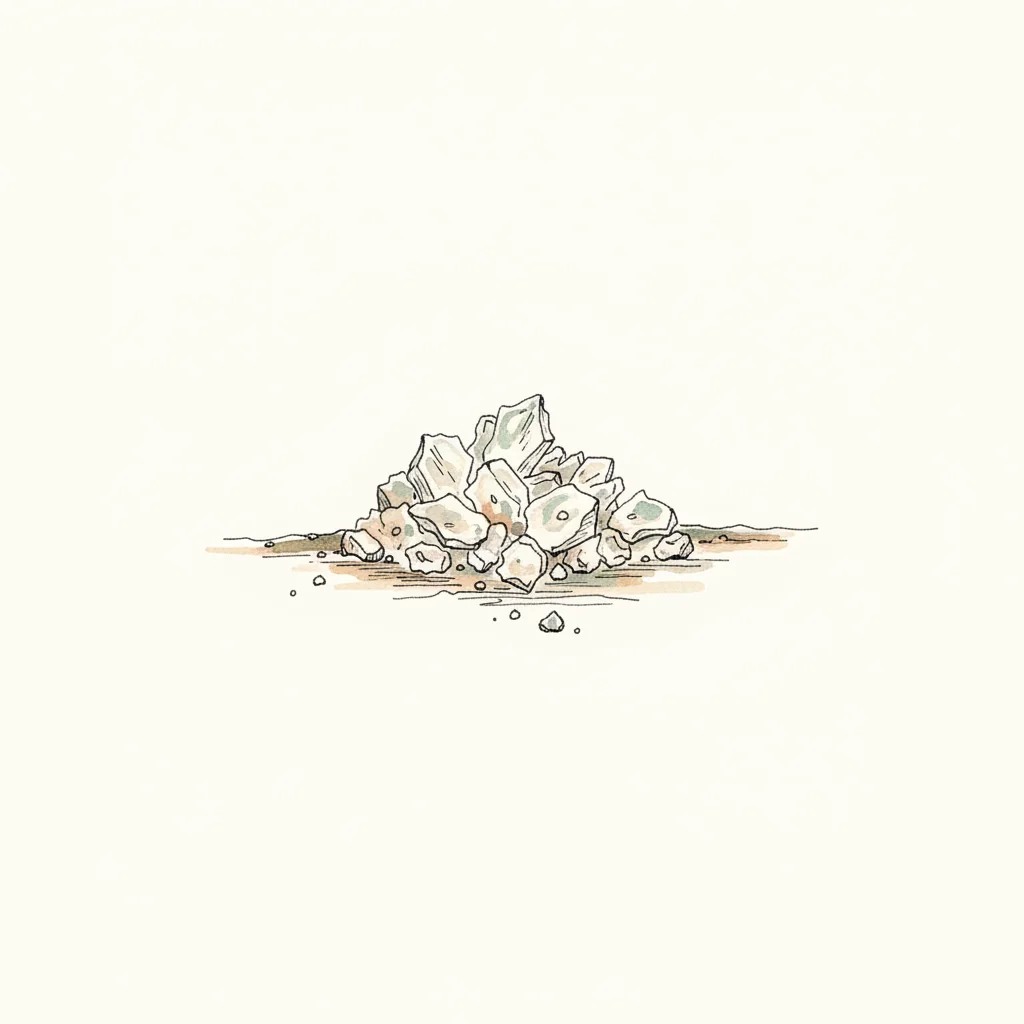
Salt · Sea salt
Noirmoutier Sea Salt
Noirmoutier Island, Vendée, Atlantic coast, France
frank salinity · clean brine · wet mineral
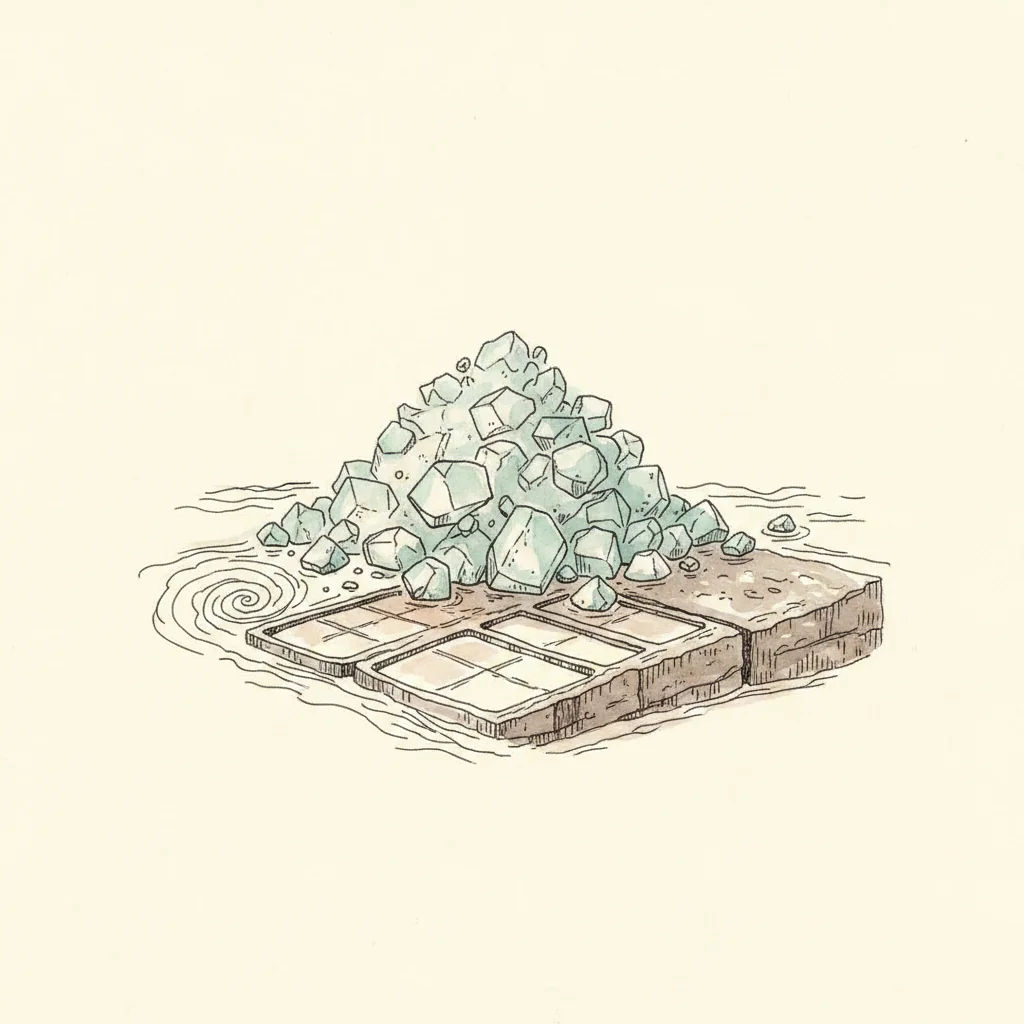
Salt · Flaky sea salt
Cornish Sea Salt
Lizard Peninsula, Cornwall, England
bright Atlantic brine · clean mineral · fresh sea note
Our verdict
Noirmoutier in the pot; Cornish flakes on the plate.
At a glance
| Criterion | Noirmoutier Sea Salt | Cornish Sea Salt |
|---|---|---|
| Origin | France, Noirmoutier Island, Vendée Atlantic coast | England, Lizard Peninsula, Cornwall |
| Format | Grey-flecked hand-raked marsh crystals | Small, crisp Atlantic flake |
| Profile | Frank salinity, wet mineral edge | Brisk, bright brine, finer than Maldon |
| Role | Everyday cooking salt — for the pot, not the plate | Finishing flake — for the plate |
| Best use | Salting water, seasoning the pot, brining | Fish and chips, seared seafood, finishing |
| Median price | About $5 to $8 / kilo | About £3 to £4 / small tub |
| Value | Unbeatable as a cheap workhorse | Sound everyday finishing flake for British plates |
When to choose Noirmoutier Sea Salt
Reach for Noirmoutier sea salt when you need a cooking salt, not a finishing flake. It's the honest workhorse of the French kitchen — hand-raked from the island's tidal salt marshes off the Vendée coast, the grey-flecked crystals carry a frank salinity and a wet, mineral edge that comes from the marsh. This is the salt for the pot: salting pasta and vegetable water, seasoning a braise, brining, building a stew from the base. At roughly $5 to $8 a kilo it stays cheap enough to use with a free hand, which is exactly what cooking salt should be. The grey flecks aren't a flaw — they're the trace minerals of the marsh, and they're harmless. The one rule is to keep it in its lane: this isn't a delicate finishing flake, so don't scatter the damp grey crystals over a finished plate expecting Maldon's crunch. Use it where it disappears into the dish and does the heavy seasoning work, and keep a flaky salt for the plate. The catch is buying it as a finishing salt — it's not, and on a seared scallop or a slice of tomato it lands flat and slightly damp where a crisp flake would shatter. For that job, this is the wrong salt; reach for the Cornish flake instead.
When to choose Cornish Sea Salt
Choose Cornish Sea Salt when you want a crisp finishing flake for a British plate. It's a small, crisp Atlantic flake harvested off the Lizard Peninsula in Cornwall, finer than Maldon, with a brisk, bright brine that suits fish and chips and seared seafood. That brightness and the smaller crystal make it a clean finisher — scatter it over battered fish, a seared scallop, chips straight from the fryer, or a plate of roast vegetables right before serving, so the flake stays crisp on the tongue instead of dissolving in the heat. Around £3 to £4 for a small tub, it's a sound everyday finishing flake that doesn't ask Maldon money. The move is to add it late and from a height, pinched not poured, so the crystals scatter unevenly and some bites get the crunch. The catch is using it as a bulk cooking salt — at flake prices and in small tubs, salting a pot of pasta water with it is a waste, and the crisp texture you paid for dissolves the moment it hits the water anyway. For the pot, that's the wrong salt; reach for cheap marsh salt like Noirmoutier instead, and keep the Cornish flake for the plate.
Where to buy?
Noirmoutier Sea Salt
Links checked on
| Merchant | Price | Action |
|---|---|---|
| Amazon US | — | Amazon US |
| Formaggio Kitchen | — | Formaggio Kitchen |
| Sous Chef UK | — | Sous Chef UK |
Prices may vary depending on current promotions on the merchant site.
Cornish Sea Salt
Links checked on
| Merchant | Price | Action |
|---|---|---|
| Amazon US | — | Amazon US |
| Cornish Sea Salt | — | Cornish Sea Salt |
Prices may vary depending on current promotions on the merchant site.
Frequently asked questions
- Can I finish a plate with Noirmoutier salt?
- It's not built for it. Noirmoutier is a damp, grey-flecked marsh salt made for the pot — frank salinity, no crunch. On a finished plate it lands flat where a flaky salt would shatter. Use it for cooking and brining, and keep a crisp flake like Cornish for the plate.
- What's the difference between Cornish flakes and Maldon?
- Cornish flakes are finer and smaller than Maldon, with a brisk, bright brine. Maldon's larger hollow pyramids give a bigger shatter. Both are finishing salts; Cornish suits delicate fish and seafood, Maldon suits a bolder crunch on meat. Neither is for the cooking pot.
- Why is the Noirmoutier so much cheaper per kilo?
- Because it's sold as a bulk cooking salt, not a finishing flake. You buy it by the kilo for $5 to $8 to salt water and season the pot. Cornish flakes come in small tubs at flake prices because they're meant to be sprinkled, not shoveled.
- Do I need both?
- If you cook often, yes — they fill different roles. Noirmoutier does the cheap, heavy seasoning work in the pot; Cornish gives the crisp finishing crunch on the plate. Owning only the marsh salt means flat finishes; owning only the flake means wasting pricey crystals in the water.
The best pairings
With Noirmoutier Sea Salt
With Cornish Sea Salt
Comparison prepared according to our methodology. Sponsored purchase links — see our affiliations.