
Dish × condiment pairing
Which flaky salt to finish caprese?
Season : summer · Occasion : aperitif, lunch, weeknight
Jacobsen flake salt. Scatter it over the tomato and mozzarella just before serving. The thin flakes draw the tomato's juice up sweet and give a delicate crunch and clean brine against the soft cheese. About $15 for 4oz. Salt the slices, not the platter, and serve straight away.
In detail
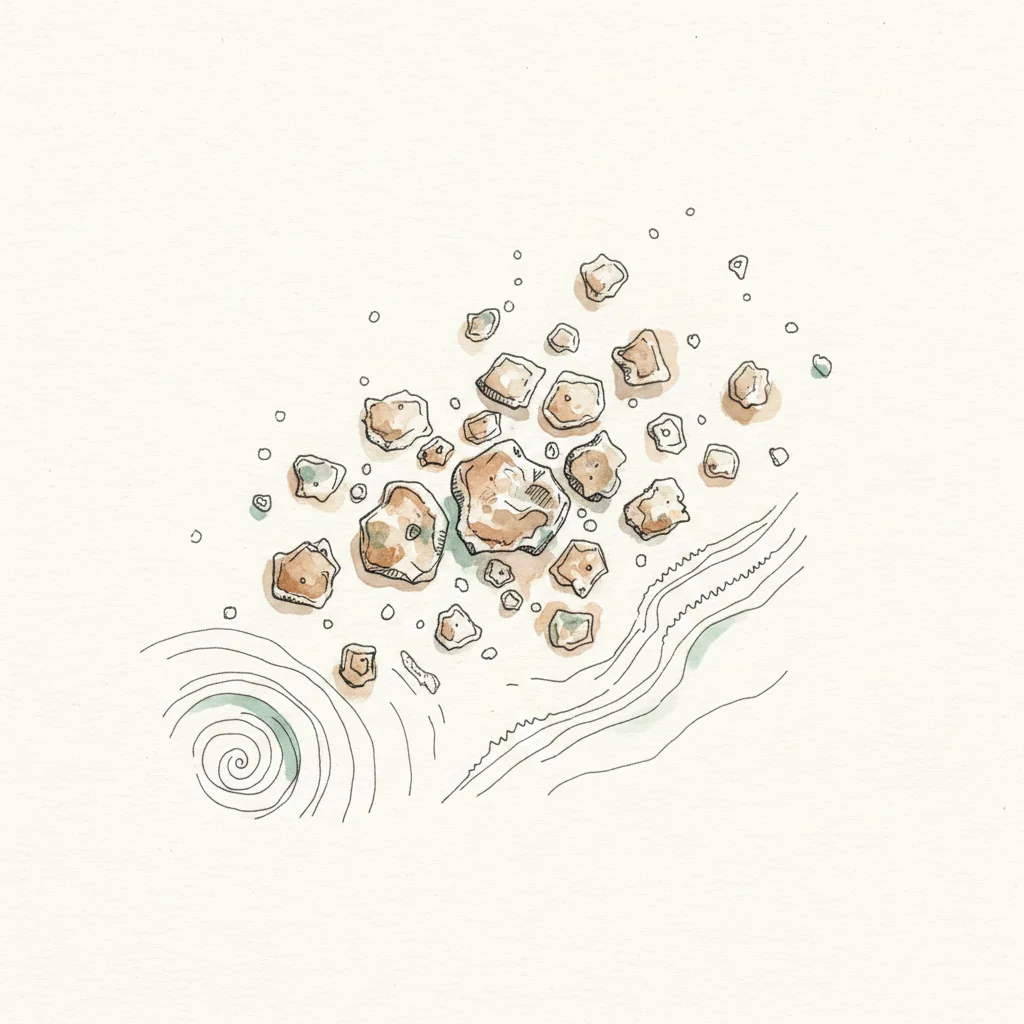
The flaky salt to finish a caprese is Jacobsen Pure Flake, made from Netarts Bay on the Oregon coast and the first commercial US sea salt since colonial times. A caprese is three soft, wet things, ripe tomato, milky mozzarella, basil, so it needs crunch and a clean salt hit, not more moisture. Jacobsen's thin flakes sit on the surface, pull the tomato's sweetness and juice forward, and shatter delicately before melting into a bright Pacific brine. Timing is everything: scatter the flakes from a few inches up right before serving, salting the cut faces of the slices rather than dumping salt on the platter. Salted early, the tomato weeps and the flakes dissolve into a watery plate. Go light on the mild mozzarella and let the tomato take most of the salt. A 4oz box runs about $15, a splurge but worth it for the finish; finish with a grassy olive oil.
Our recommendation
Salt · Flaky sea salt
Jacobsen Pure Flake Salt
Netarts Bay, Oregon coast, United States
bright Pacific brine · clean mineral · soft sweetness
Caprese is three soft, wet things: ripe tomato, milky mozzarella, basil. It needs crunch and a clean salt hit, not more moisture. Jacobsen's thin Oregon flakes sit on the surface, draw the tomato's sweetness forward, and shatter delicately before melting into bright brine. Scatter right before serving so the flakes stay crisp. A 4oz box is about $15.
Intensity 7/10
Where to buy it
Links checked on
| Merchant | Price | Action |
|---|---|---|
| Jacobsen Salt Co. | — | Jacobsen Salt Co. |
| Amazon US | — | Amazon US |
Prices may vary depending on current promotions on the merchant site.
Affiliate links — La Pincée may earn a commission on some sales, at no extra cost to you. Read more.
The catch
Don't salt a caprese ahead and let it sit. Salt pulls water from the tomato, so a platter dressed early weeps into a watery pool and the flakes dissolve before anyone eats. Salt the cut faces at the last second instead and serve straight away. The flaky Jacobsen is here for crunch and clean brine against three soft, wet things, and that only survives if it stays on top, dry, until the fork.
Chef's note
Salt the tomato and mozzarella slices separately on their cut faces, going heavier on the tomato, which loves the salt, and barely touching the mild mozzarella. Scatter Jacobsen from a few inches up just before serving, then the olive oil over the top, never the reverse; salt under oil can't grip a wet slice and slides off into the plate.
Tasting note
clean brine · soft sweetness · delicate crunch · cool sea note · about $15 for a 4oz box. A splurge, but on a summer caprese the crunch and bright brine earn it. Worth it for the finish.
These three sections appear on every one of our pairing pages — our methodology.
Alternatives to explore
-

Oil · Olive oil
Cretan Extra Virgin Olive Oil PDO
Sitia, Lassithi, eastern Crete, Greece (PDO)
Intensity 7/10
The drizzle that completes the plate. A grassy, peppery Sitia PDO oil over the salted tomato and mozzarella is half the dish; pair it with the flakes, don't choose between them.
-
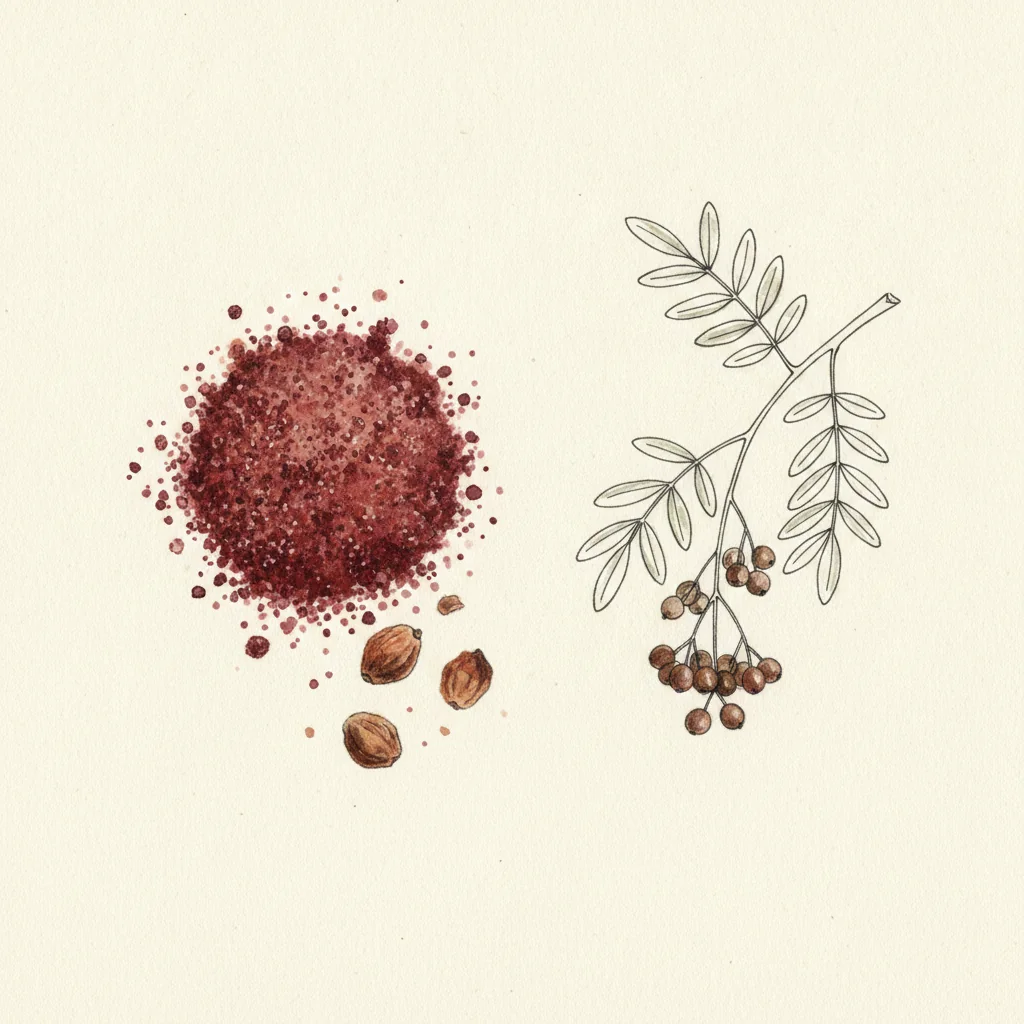
Spice · Spice berry
Sumac
Aleppo and the coastal mountains, plus neighboring Lebanon, Syria
Intensity 6/10
A light dusting adds tart lemon lift that flatters the tomato. A non-traditional but clean brightener alongside the salt when you want acidity without vinegar.
Complementary ingredients
- Cretan Extra Virgin Olive Oil PDO — The raw finishing oil drizzled over after the salt
Frequently asked questions
- When do you salt a caprese salad?
- Right before serving. Salt the tomato and mozzarella slices, scatter flaky salt from a few inches up, drizzle oil, and eat. Salted early, the tomato weeps and the flakes dissolve, so the platter goes watery and the crunch is lost.
- Why a flaky salt rather than table salt on caprese?
- Caprese is all soft, wet textures, so it needs contrast. Flaky Jacobsen sits on top and gives a delicate crunch and clean brine, where fine salt just dissolves in and seasons without adding any texture at all.
- Do you salt the tomato or the mozzarella?
- Both, but lightly, on the cut faces just before serving. The tomato benefits most because salt pulls its sweetness and juice forward, while the mozzarella needs only a few flakes; it's milky and mild and over-salting buries it.
This pairing was validated according to our methodology. Purchase links are marked sponsored and may earn a commission — details on our Affiliations page.