
Comparison
Gochugaru vs Calabrian chili: which to choose?
Gochugaru is a dry Korean flake, 5/10 fruity heat that settles in, bought by the pound for kimchi and marinades. Calabrian is hotter at 6/10, bright and briny, usually crushed in oil that blooms into a pan. Want clean fruity heat for Korean food, buy gochugaru. Want a punchy, briny chili for pasta, buy Calabrian.
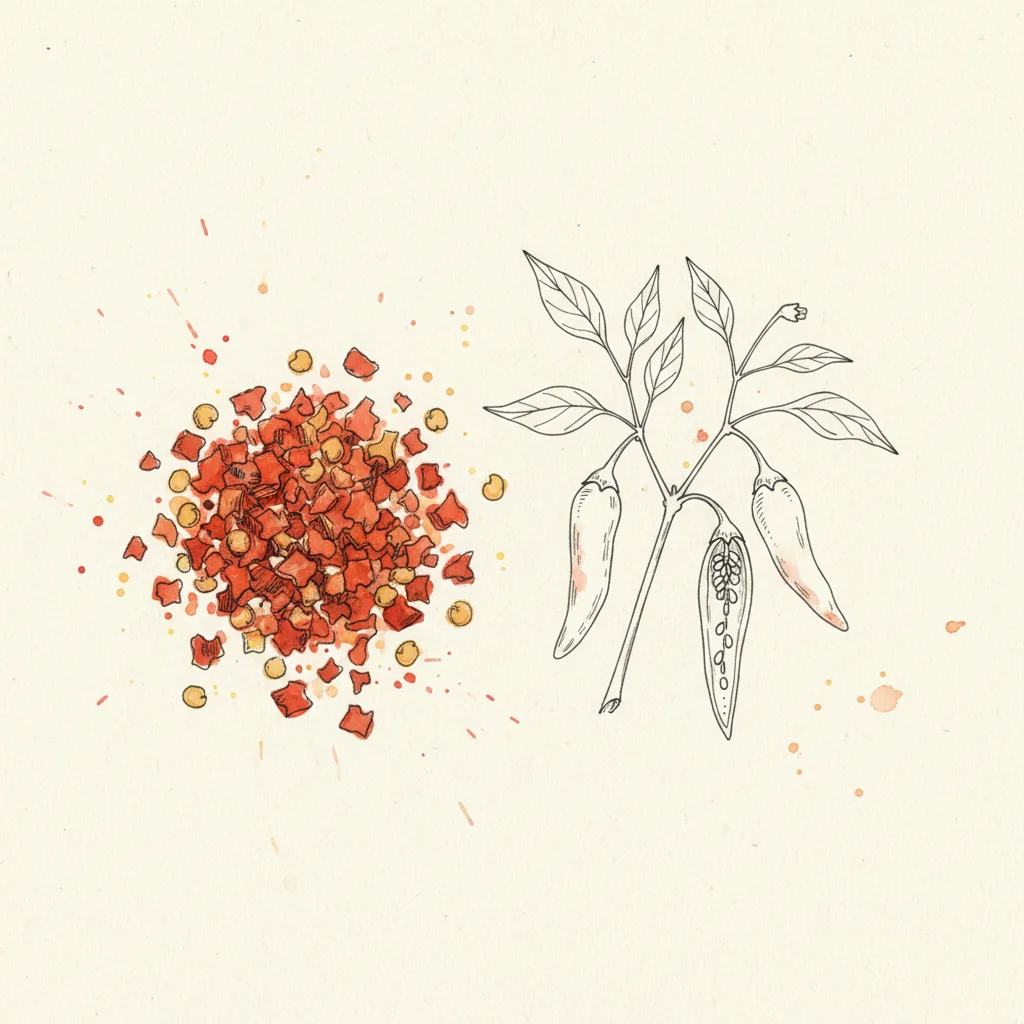
Spice · Chili flakes
Gochugaru
Yeongyang (Gyeongsang North) and Goesan (Chungcheong North), South Korea
ripe red fruit · baked apple · sun-dried tomato
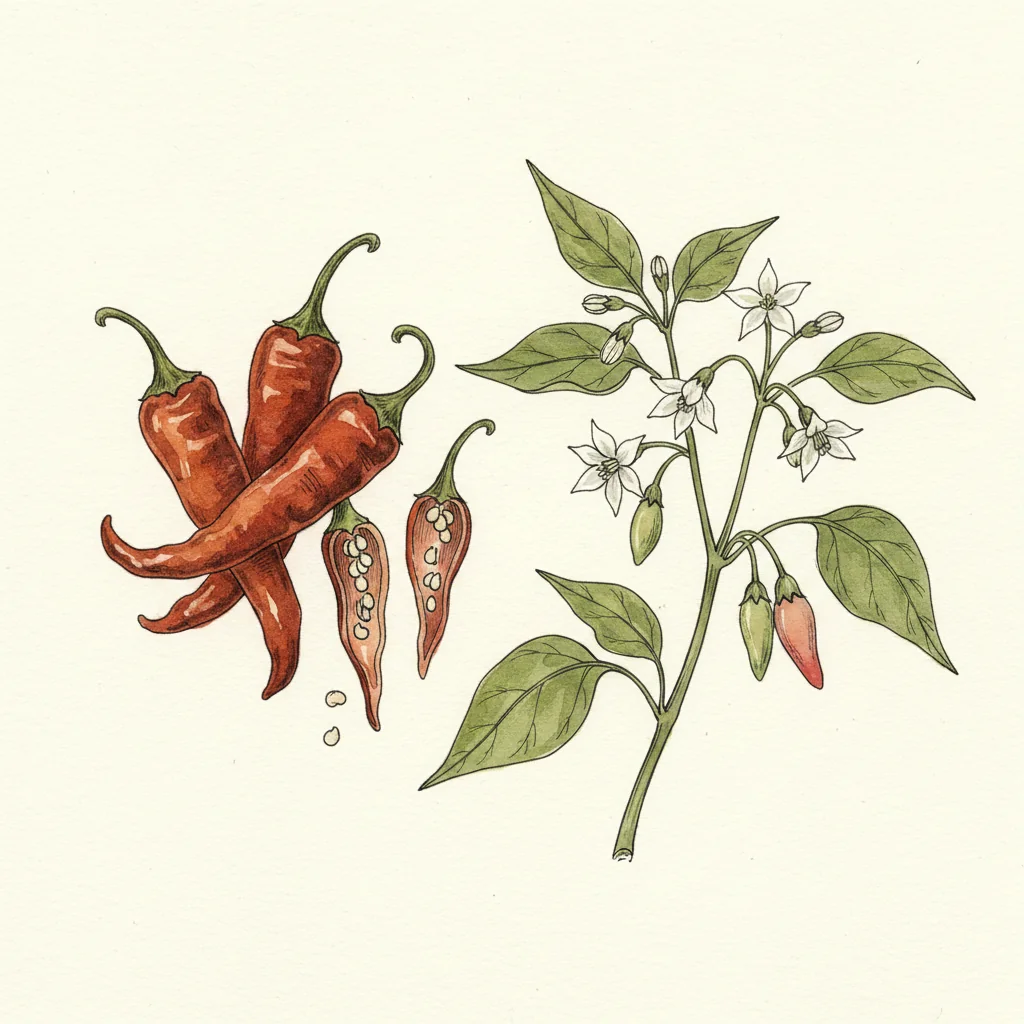
Spice · Chile
Calabrian Chili
Calabria — Diamante (Riviera dei Cedri) and the province of Cosenza, Italy
ripe-fruit heat · sun-dried tomato · smoky char
Our verdict
Gochugaru for clean Korean fruit-heat, Calabrian for briny Italian punch.
At a glance
| Criterion | Gochugaru | Calabrian Chili |
|---|---|---|
| Origin | South Korea (Yeongyang, Goesan) | Calabria, Italy (Diamante, Cosenza) |
| Flavor profile | Ripe red fruit, baked apple, sun-dried tomato | Ripe-fruit heat, sun-dried tomato, smoky char, briny edge |
| Intensity | 5/10, settles in on the second taste | 6/10, bright forward heat that builds |
| Usual form | Dry medium red-orange flake | Crushed pods packed in olive oil, or dried flakes |
| Best use | Kimchi, bibimbap, tteokbokki, bulgogi, chili oil | Aglio e olio, arrabbiata, hot chicken, steak, greens |
| Briny / vinegar edge | None; clean sun-dried fruit | Yes, from the salt-and-vinegar pack |
| Median price | ~$15 / 1 lb bag | ~$10 / 10 oz jar in oil |
When to choose Gochugaru
Gochugaru is the clean fruity flake, and you choose it for Korean cooking and anywhere you want heat without a briny edge. Korean red chili dried in the sun then crushed to a medium flake, it's a bright red-orange with a gentle 5 out of 10 heat that doesn't bite on contact, it settles in on the second taste, carrying ripe red fruit, baked apple and sun-dried tomato. It's bought by the pound because Korean cooking uses it by volume. Four scenarios where gochugaru wins over Calabrian. First, napa cabbage kimchi, mixed to a paste with water and fish sauce, where you want pure fruity heat and no vinegar tang fighting the ferment. Second, a bulgogi marinade, stirred in to bloom. Third, tteokbokki and bibimbap, where the fruity heat is the dish's own flavor. Fourth, homemade chili oil, where the dry flake infuses cleanly. The rule: gochugaru is for cooking, stirred into a marinade or partway through, two teaspoons per 2 pounds of cabbage, a teaspoon for a marinade serving four. Don't expect Calabrian's briny, smoky-char edge, gochugaru is clean and fruity, with no salt-and-vinegar note. And don't waste it on delicate sweets or clear vinaigrettes. Store it in a resealable bag, ideally refrigerated after opening to hold color and moisture; keeps about 12 months. A 1 lb bag runs about $15. Where this beats Calabrian: any Korean dish, or anywhere a vinegary, briny chili would clash with the ferment or the marinade.
When to choose Calabrian Chili
Calabrian chili is the punchier, brinier choice, and you reach for it when you want forward heat with an Italian salt-and-vinegar edge cooked into the dish. Grown around Diamante and across Cosenza, you meet it two ways: dried into thin peperoncino flakes, or the more common jar of crushed pods packed in olive oil with salt and vinegar. Either form carries a fruity, sun-dried-tomato warmth and a smoky, briny edge, with a building heat around 6 out of 10, a notch hotter than gochugaru's 5 and far more assertive up front. Four scenarios where Calabrian wins over gochugaru. First, spaghetti aglio e olio and pasta arrabbiata, where the crushed-in-oil paste blooms into the fat and becomes the sauce. Second, Nashville hot chicken and pizza, where you want a real, building burn with a wine-like fruity front. Third, grilled or pan-seared steak, where the smoky, briny finish flatters charred beef. Fourth, white beans, sausage and braised greens, where the savory edge carries the pot. The rule: add it early when crushed in oil so it blooms into the fat, or use dried flakes as a finish. Half a teaspoon of the paste per portion is a good start. Don't waste it on delicate fish or subtle cream sauces it will overpower, and know that the briny-vinegar edge makes it wrong for clean Korean dishes where gochugaru belongs. Once opened, refrigerate the oil-packed jar, keep the paste under its oil, use within a couple of months; dried flakes hold about a year. At around $10 for a 10 oz jar in oil, it's a real workhorse. Where this beats gochugaru: Italian cooking, hot chicken, anywhere you want a brighter, brinier, slightly hotter chili that hits the front of the tongue fast.
Where to buy?
Gochugaru
Links checked on
| Merchant | Price | Action |
|---|---|---|
| Amazon US | — | Amazon US |
| Sous Chef UK | — | Sous Chef UK |
Prices may vary depending on current promotions on the merchant site.
Calabrian Chili
Links checked on
| Merchant | Price | Action |
|---|---|---|
| Amazon US (TuttoCalabria, crushed, 10 oz) | — | Amazon US (TuttoCalabria, crushed, 10 oz) |
| Burlap & Barrel | — | Burlap & Barrel |
Prices may vary depending on current promotions on the merchant site.
Frequently asked questions
- Which is hotter, gochugaru or Calabrian?
- Calabrian, slightly, at 6 out of 10 to gochugaru's 5, and it hits harder up front. Gochugaru settles in on the second taste rather than biting on contact. For a quicker, sharper burn, Calabrian; for a gentle, building one, gochugaru.
- Can I use Calabrian in kimchi?
- Skip it. Calabrian's salt-and-vinegar brine and oil-packed form fight the ferment, and you'd lose the clean fruity heat kimchi needs. Use gochugaru for kimchi, full stop. Save Calabrian for Italian dishes and anything that wants a briny edge.
- Do they taste alike?
- They share a sun-dried-tomato, ripe-fruit warmth, so there's overlap. But Calabrian adds a smoky char and a briny, vinegary edge gochugaru doesn't have, while gochugaru stays cleaner and sweeter. The brine is the dividing line.
- Which is the better value?
- Depends how you cook. Gochugaru's 1 lb bag at about $15 suits high-volume Korean cooking. Calabrian's 10 oz oil-packed jar at about $10 is dosed by the half-teaspoon, so it lasts a while too. Buy gochugaru if you cook Korean often, Calabrian for Italian.
The best pairings
With Gochugaru
With Calabrian Chili
Comparison prepared according to our methodology. Sponsored purchase links — see our affiliations.