
Dish × condiment pairing
Which tamari for a poke bowl?
Season : all-year · Occasion : weeknight, lunch, meal prep
Traditional whole-soy tamari, brewed wheat-free in Japan's Tōkai region. Dress the raw tuna in it just before building the bowl. Its thick, round umami coats the fish without the thin, salty-sharp wheat edge of regular soy sauce, and it keeps the dressing gluten-free for the whole table.
In detail
The best soy for a poke bowl is traditional tamari, the whole-soybean, wheat-free sauce brewed in Japan's Tōkai region around Nagoya, the historic home of mame fermentation. It is thicker and silkier than ordinary shoyu, so when you dress the raw tuna in it the umami clings to each cube rather than running off as a thin salty hit. Toss the fish in a tablespoon or two of tamari five to ten minutes before building the bowl; longer and the salt starts to cure the surface and firm the flesh. Because traditional tamari uses little or no wheat, the dressing stays gluten-free, which matters for a shared bowl. A 300 ml bottle costs about $6 and earns a spot as your default soy. Finish the built bowl with a crack of pink peppercorns for a sweet, resinous lift.
Our recommendation
Spice · Oils, vinegars & honeys
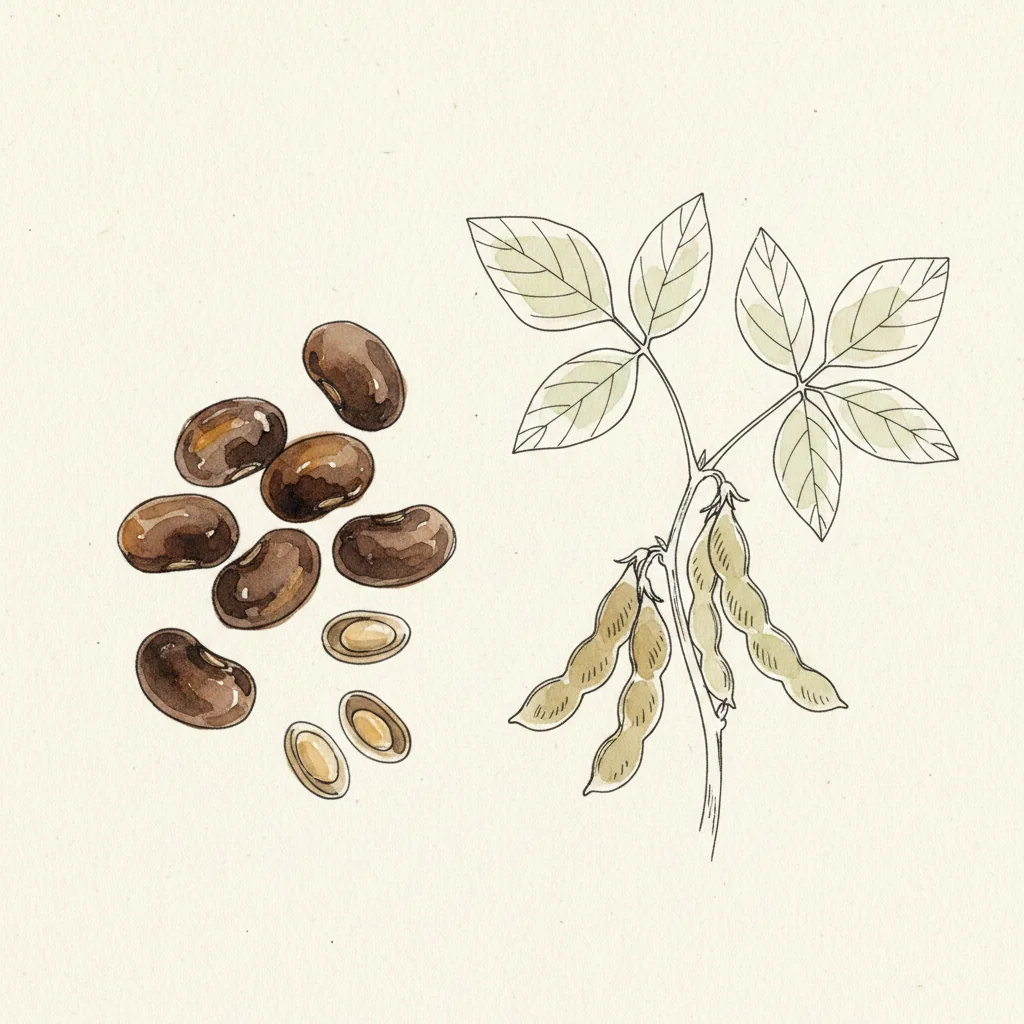
Traditional Tamari
Aichi, Gifu and Mie — the Tōkai region around Nagoya, the historic home of whole-soybean (mame) brewing and Hatchō miso, Japan
deep roasted soy · round umami · low bitterness
Tamari is the whole-soybean brew from Aichi, Gifu and Mie, the historic home of mame fermentation, so it is wheat-free and silkier than ordinary shoyu. On raw tuna its deep, syrupy umami clings to each cube and reads as savory depth, not just salt. It also makes the marinade gluten-free. About $6 for a 300 ml bottle. Worth it as your default soy.
Intensity 8/10
Where to buy it
Links checked on
| Merchant | Price | Action |
|---|---|---|
| Amazon US | — | Amazon US |
| San-J | — | San-J |
| Sous Chef UK | — | Sous Chef UK |
Prices may vary depending on current promotions on the merchant site.
Affiliate links — La Pincée may earn a commission on some sales, at no extra cost to you. Read more.
The catch
Don't drown poke tuna in regular soy sauce. Ordinary shoyu is thin and wheat-sharp, so it runs off the cubes and reads as flat salt. Tamari is the whole-soy brew, thicker and rounder, and it clings to the fish as deep umami. It also keeps the bowl gluten-free without a flavor compromise. The catch: don't let it marinate long, or the salt cures the raw fish firm.
Chef's note
Dress the tuna five to ten minutes before you build the bowl, no longer. Toss the cubes in a tablespoon or two of tamari with a few drops of sesame oil so they gloss without curing, then fold them into the rice and toppings at the last second. Finish the built bowl with a crack of pink peppercorns from a few inches up for a sweet, resinous lift.
Tasting note
deep roasted soy · round umami · savory broth · low bitterness · about $6 for a 300 ml bottle, and it earns a permanent spot as your default soy, not a one-bowl buy. Worth it.
These three sections appear on every one of our pairing pages — our methodology.
Alternatives to explore
-
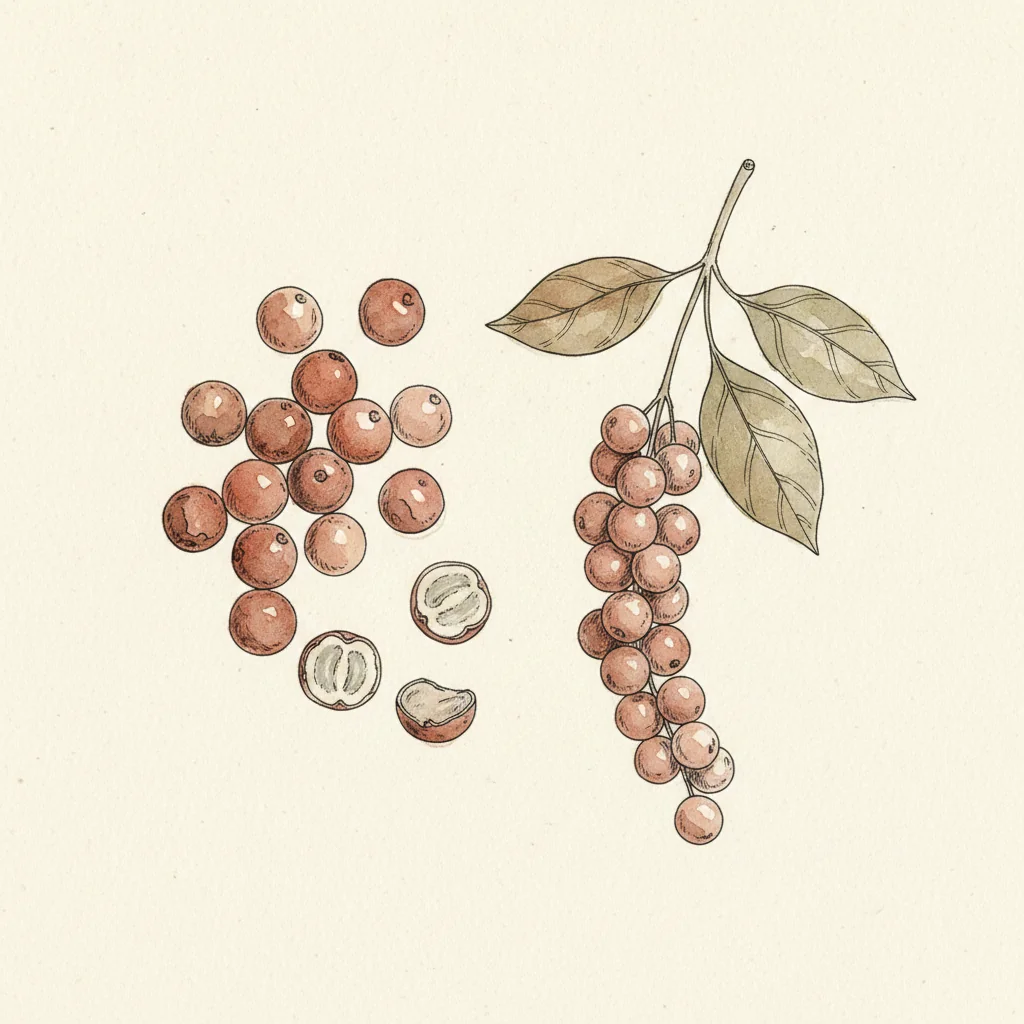
Pepper · Berry
Pink Peppercorns
Réunion Island, western highlands, France
Intensity 4/10
Pink peppercorns add a sweet, resinous crack over the finished bowl, no heat. A few crushed berries lift the tuna and play off the tamari without fighting it.
Complementary ingredients
- Pink Peppercorns — A finishing crack of sweet, resinous pepper over the built bowl
Frequently asked questions
- Is tamari better than soy sauce for poke?
- For raw fish, yes. Tamari's whole-soy brew is thicker and rounder, so it coats the tuna with deep umami instead of a thin salty hit, and being wheat-free it keeps the bowl gluten-free without changing the flavor.
- How long should I marinate poke tuna in tamari?
- Just before serving, five to ten minutes at most. Tamari is salty and will start to cure and firm the raw fish if it sits too long; you want the cubes glossed and seasoned, not pickled.
- Is tamari always gluten-free?
- Traditional tamari is brewed from whole soybeans with little or no wheat, but not every bottle is certified, so check the label if you are cooking for a celiac diner. The whole-soy versions are the safe pick.
This pairing was validated according to our methodology. Purchase links are marked sponsored and may earn a commission — details on our Affiliations page.