
Comparison
Tamari vs shichimi togarashi: which Japanese seasoning?
These aren't alternatives; you'd own both. Tamari is a liquid — a deep, round, mostly wheat-free soy sauce — for dipping, glazing, and umami depth. Shichimi togarashi is a dry seven-spice blend — citrus, sesame, chili — sprinkled raw at the table. Tamari ~$6, shichimi ~$6. Want salty umami liquid, use tamari; want a finishing spice dust, use shichimi.
Spice · Oils, vinegars & honeys
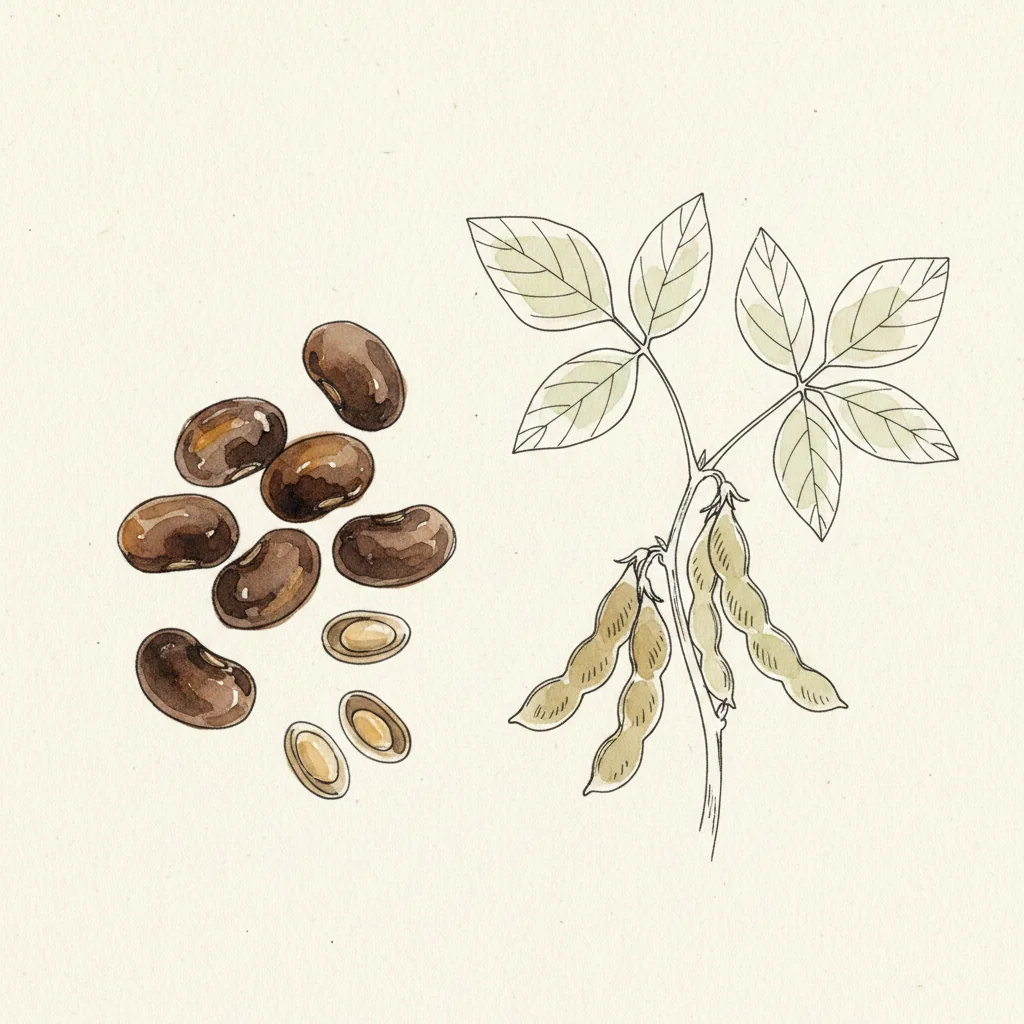
Traditional Tamari
Aichi, Gifu and Mie — the Tōkai region around Nagoya, the historic home of whole-soybean (mame) brewing and Hatchō miso, Japan
deep roasted soy · round umami · low bitterness
Spice · Blend
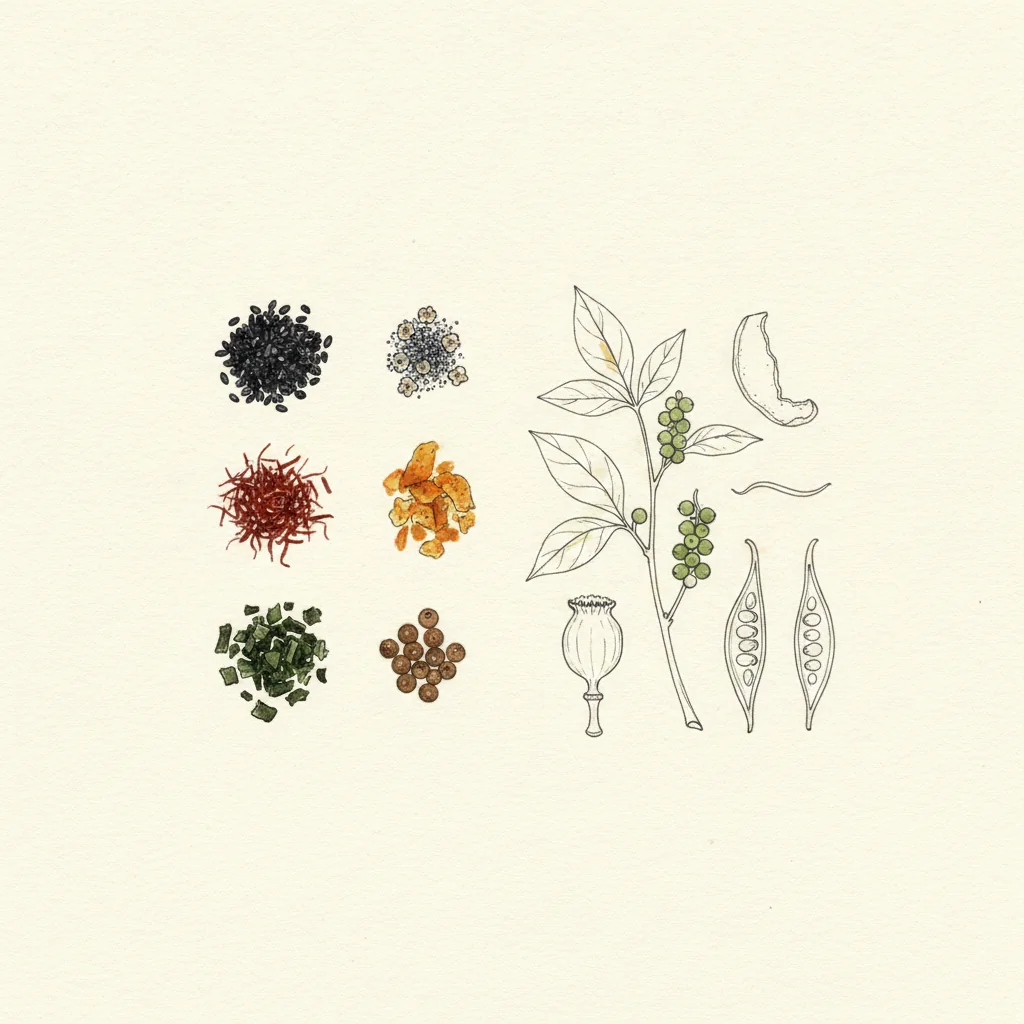
Shichimi Togarashi
Born in Edo (now Tokyo) at the Yagenbori apothecary; chili itself grown in Nagano and nationwide, blended by houses across the country, Japan
toasted citrus peel · nutty sesame · dry chili heat
Our verdict
Tamari for deep umami in a liquid; shichimi togarashi for a citrusy chili dust at the table.
At a glance
| Criterion | Traditional Tamari | Shichimi Togarashi |
|---|---|---|
| Type | Liquid soy sauce (mostly wheat-free) | Dry seven-spice blend |
| Origin | Japan — Tōkai region (Aichi, Gifu, Mie) | Japan — born in Edo (Tokyo) |
| Role | Umami seasoning / dipping / glaze | Finishing spice dust |
| Intensity | 8/10 — deep, concentrated | 5/10 — aromatic, mild heat |
| Main notes | Deep roasted soy, round umami, low bitterness | Toasted citrus peel, nutty sesame, dry chili heat |
| How to use | Splash in at the end, or raw off the heat | Sprinkled raw at the table — never bloomed in fat |
| Best for | Sashimi dipping, glazed salmon, stir-fries, soft egg | Udon, gyudon, yakitori, miso soup, grilled salmon |
| Median price | ~$6 / 10 fl oz bottle | ~$6 / 15 g bottle |
| Value | Pantry staple, deep flavor — worth it | Cheap finishing magic — worth it |
When to choose Traditional Tamari
Reach for tamari when you want deep, rounded umami in liquid form — it's a richer, smoother soy sauce, and mostly wheat-free, which makes it the soy the gluten-conscious can use. Brewed in Japan's Tōkai region around Nagoya, the historic home of whole-soybean (mame) brewing, tamari carries a deep roasted-soy flavor, a round umami body, and notably low bitterness compared with thinner soy sauces. It works at both ends of the cook. Splash it in at the end for a glaze or a dipping sauce — it's the classic dip for sashimi and sushi, glazes salmon and seared tuna, and finishes stir-fries and fried rice off the heat. Or use it raw, where its body and depth carry a dish on their own: a few drops over a soft-boiled egg, an avocado, or roasted mushrooms and tofu. It also makes a fine marinade for grilled chicken and steak. Because it's more concentrated than light soy, treat it with a little restraint — dishes already salted to the edge don't need it, and it darkens fast, so keep it out of delicate broths you want to stay pale. Avoid long hard boils, where the aroma cooks off and only the salt remains. Storage matters more than people think: keep the bottle capped in a cool, dark cupboard and refrigerate after opening to hold the aroma and color. Naturally brewed tamari keeps a year or more, but it slowly darkens and flattens once open, so buy a size you'll finish in a few months rather than a giant jug that sits. At about $6 a bottle it's an everyday pantry staple with more depth than standard soy. Against shichimi togarashi, tamari is the liquid umami base, not the finishing spice — they share a cuisine and nothing else, and a good Japanese pantry carries both.
When to choose Shichimi Togarashi
Reach for shichimi togarashi when you want a citrusy, mildly spicy finishing dust at the table — it's the shaker that lifts a bowl of noodles or a skewer in one sprinkle. The name means 'seven-flavor chili pepper,' and the blend (born in Edo, now Tokyo, at the Yagenbori apothecary) typically layers toasted citrus peel, nutty sesame, dry chili heat, nori, and more into a single aromatic dust. It reads at about 5/10 — aromatic and gently warming rather than fiery. The crucial point is how to use it: sprinkle it raw at the table, off the heat, as a finishing dust — never bloom it in fat the way you would a cooking blend, because the citrus peel and nori are delicate and meant to hit the dish fresh. Its home is the Japanese bowl: udon and soba in hot broth, gyudon beef bowls, yakitori and grilled skewers, miso soup, tempura, and grilled salmon and tofu. A shake at the end brings citrus brightness, sesame nuttiness, and a whisper of chili all at once. The catch is freshness: the citrus peel and nori fade first, so buy small and use within about six to nine months; the toasted sesame keeps it from going stale instantly, but a flat nose means it's past its best. Keep it in an airtight, opaque shaker away from light and heat. Skip it on delicate desserts, smooth cream sauces, and long braises, where the citrus and nori cook out and you lose the very notes you wanted. On value it's cheap finishing magic at about $6 a bottle, and a little transforms a plain bowl of noodles. Against tamari, shichimi is the dry finishing spice to tamari's liquid umami base. They're not interchangeable in the slightest — one seasons from within the dish, the other lifts it from the top — and the smart move is to keep both within reach.
Where to buy?
Traditional Tamari
Links checked on
| Merchant | Price | Action |
|---|---|---|
| Amazon US | — | Amazon US |
| San-J | — | San-J |
| Sous Chef UK | — | Sous Chef UK |
Prices may vary depending on current promotions on the merchant site.
Shichimi Togarashi
Links checked on
| Merchant | Price | Action |
|---|---|---|
| Amazon US | — | Amazon US |
| Sous Chef UK | — | Sous Chef UK |
Prices may vary depending on current promotions on the merchant site.
Frequently asked questions
- Can shichimi togarashi replace tamari?
- No — they do opposite jobs. Tamari is a liquid soy sauce that brings salty, deep umami from within a dish; shichimi togarashi is a dry spice blend sprinkled on top at the table for citrus and gentle heat. A good Japanese pantry keeps both, because neither does the other's work.
- Is tamari gluten-free?
- Mostly — tamari is traditionally brewed from whole soybeans with little or no wheat, which is why it's the soy sauce the gluten-conscious reach for. But not every bottle is fully wheat-free, so if you need certified gluten-free, check the label rather than assuming all tamari qualifies.
- Should I cook with shichimi togarashi?
- No — use it raw as a finishing dust at the table. Its citrus peel and nori are delicate and cook off in heat, so blooming it in fat or simmering it into a dish wastes the very notes you want. Sprinkle it on a finished bowl of noodles or a grilled skewer instead.
- How long do these keep once opened?
- Tamari keeps a year or more but darkens and flattens once open, so refrigerate it and finish a bottle within a few months. Shichimi togarashi fades faster — its citrus and nori go first — so buy small and use within six to nine months. A flat nose on either means it's past its best.
The best pairings
With Traditional Tamari
With Shichimi Togarashi
Comparison prepared according to our methodology. Sponsored purchase links — see our affiliations.