
Dish × condiment pairing
Which sea salt for savoury scones?
Season : all-year · Occasion : afternoon tea, weekend baking, brunch
Cornish Sea Salt. Crush a little fine flake into the dry flour to season the crumb, then scatter a few crystals over the egg-washed tops before baking so they set into the crust. The brisk Atlantic brine lifts cheese-and-chive scones cleanly. Don't rely only on the top: an unsalted crumb tastes flat however good the finish.
In detail
The best sea salt for savoury scones is Cornish Sea Salt, used in two places. Crush a little of the small, crisp Atlantic flake into the flour to season the crumb, because a savoury scone with an unsalted dough tastes flat however good the topping. Then scatter a few flakes over the egg-washed tops just before baking, so the wash glues them and the oven sets them into a snappy, brisk-brine crust. The fresh Atlantic edge cuts the buttery richness of cheese, chive or bacon scones without any bitterness. Savoury bakes need more salt than sweet ones, roughly a teaspoon of fine salt per 250g flour in the dough, so don't rely on the finish alone. Add the top flakes after the wash, never after baking, or they won't grip the dry crust. A sound everyday flake at around £3 to £4 a tub.
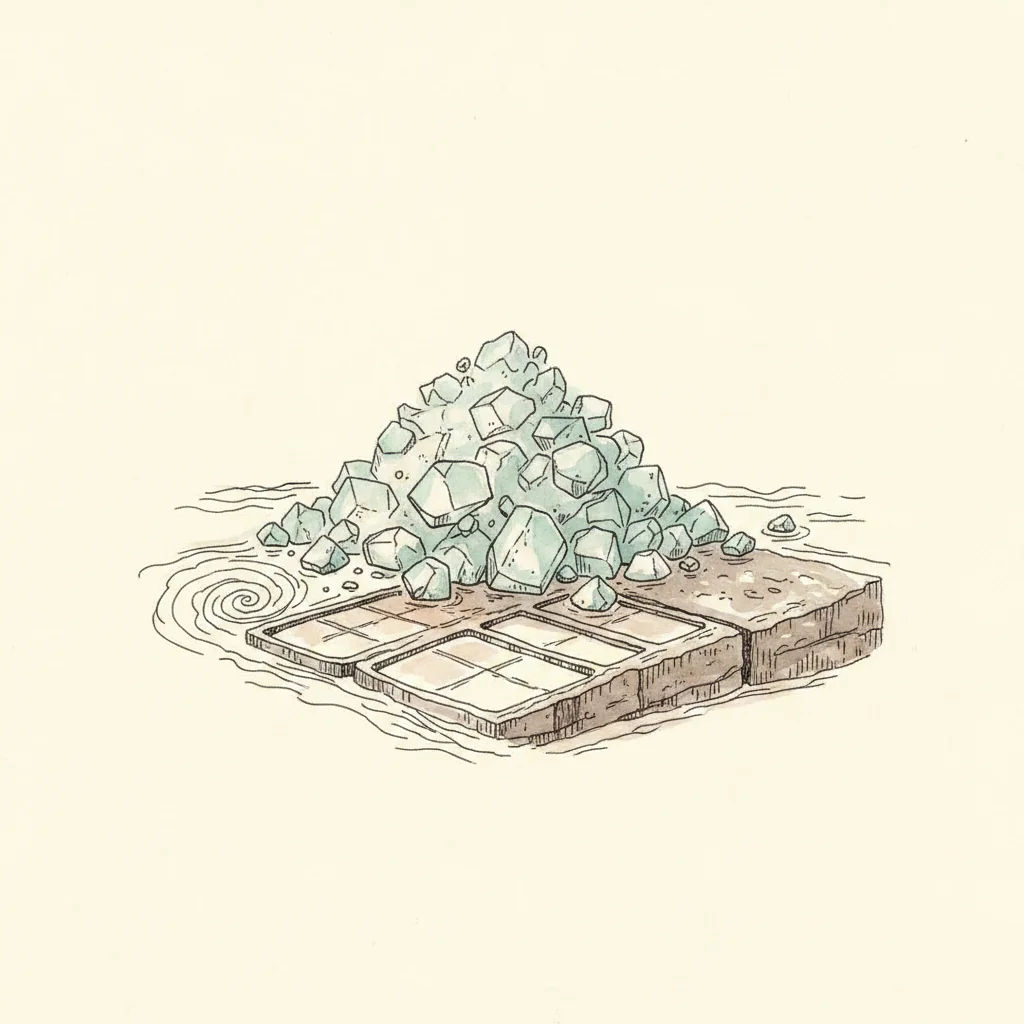
Our recommendation
Salt · Flaky sea salt
Cornish Sea Salt
Lizard Peninsula, Cornwall, England
bright Atlantic brine · clean mineral · fresh sea note
Savoury scones need salt in two places: through the crumb to season the dough and on the crust for a bright top note. Cornish Sea Salt's small, crisp flake crushes easily into flour and scatters cleanly over an egg wash, setting into a snappy, brisk-brine finish that lifts cheese, chive or bacon scones. The fresh Atlantic edge cuts the buttery richness without bitterness. A sound everyday flake at around £3 to £4 a tub for British baking.
Intensity 6/10
Where to buy it
Links checked on
| Merchant | Price | Action |
|---|---|---|
| Amazon US | — | Amazon US |
| Cornish Sea Salt | — | Cornish Sea Salt |
Prices may vary depending on current promotions on the merchant site.
Affiliate links — La Pincée may earn a commission on some sales, at no extra cost to you. Read more.
The catch
Don't think a flaky topping makes up for an underseasoned dough. A savoury scone with bland crumb tastes flat to the centre, and no amount of salt on the crust fixes the inside. Savoury bakes need more salt than sweet ones full stop. Season the flour properly first, then finish the top. The flake is the bright top note, not the whole seasoning, and treating it as both leaves the scone dull.
Chef's note
Two stages. Rub a teaspoon of fine salt per 250g flour through the dry mix so the crumb is seasoned all the way through. Shape, chill, then egg-wash the tops and scatter Cornish flake over the wet glaze just before baking. The wash anchors the crystals; the bake sets them into a crisp crust. For cheese scones, fold grated mature cheddar through and hold a little back to melt on top with the salt.
Tasting note
brisk Atlantic brine · fresh sea note · clean snap · around £3 to £4 a tub, cheap enough for everyday baking and properly British. Worth it.
These three sections appear on every one of our pairing pages — our methodology.
Alternatives to explore
-
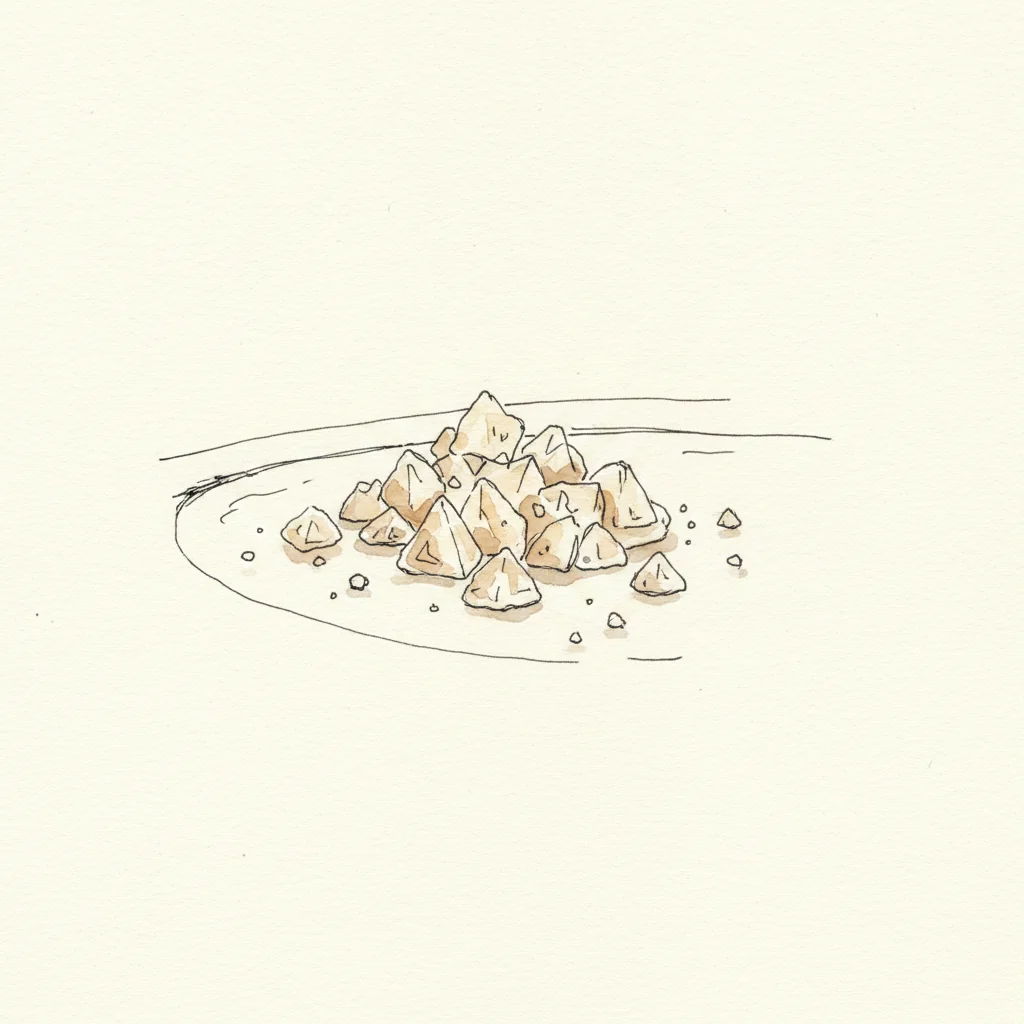
Salt · Flaky sea salt
Maldon Sea Salt
Maldon, Essex, Blackwater estuary, England
Intensity 7/10
Maldon's larger pyramids give a bolder visible crunch on the scone top. The pick for statement flakes, though Cornish crushes more evenly into the dough.
-
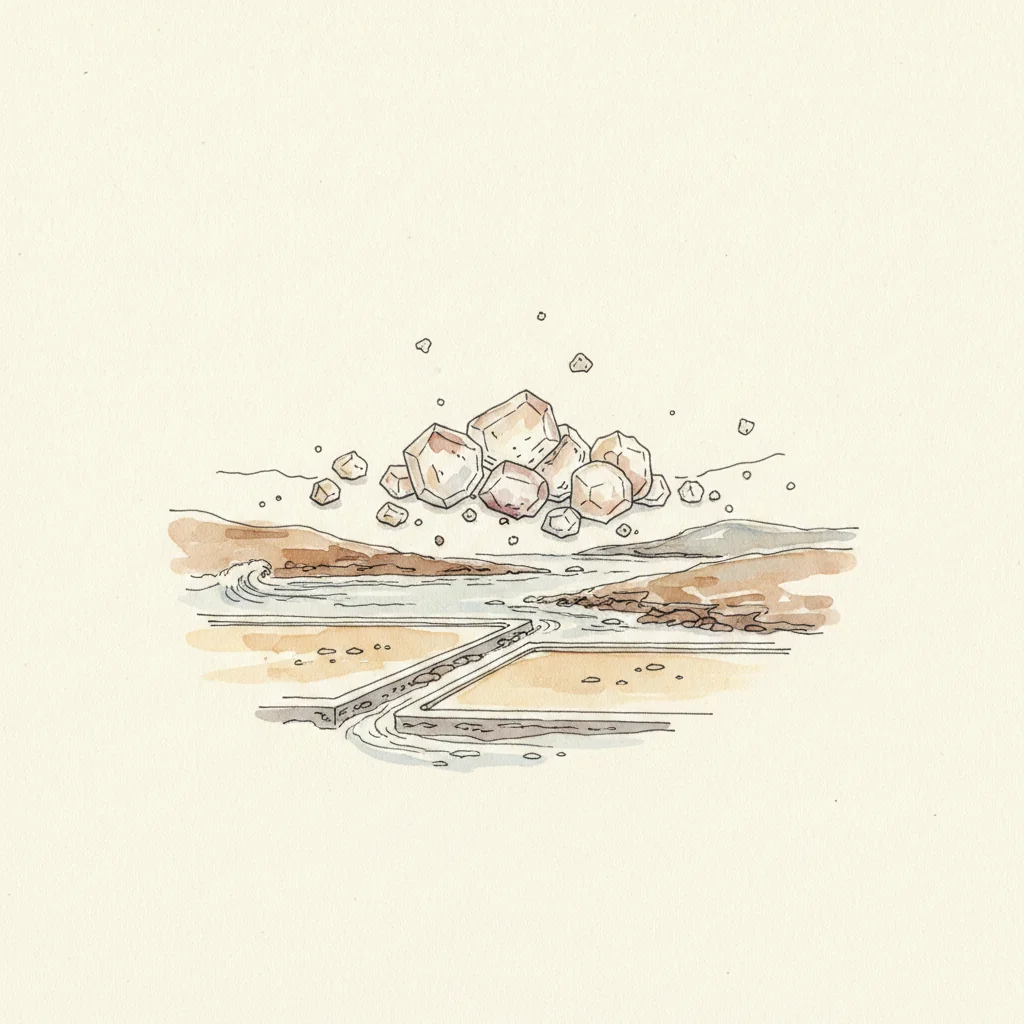
Salt · Flaky sea salt
Halen Môn Sea Salt
Anglesey, Menai Strait, Wales (PDO)
Intensity 6/10
Halen Môn is softer and PDO-protected with a rounder brine. The provenance pick for a Welsh tea table, gentler than Cornish's brisk snap.
Complementary ingredients
- Tellicherry Black Pepper — A few coarse cracks in cheese-and-pepper scones to back the salt with warmth
Frequently asked questions
- Do you put salt in scone dough or on top?
- Both. Crush fine salt into the flour to season the crumb, or the scone tastes flat. Then scatter a few flakes over the egg-washed tops before baking for a bright crunch and a savoury top note.
- How much salt do savoury scones need?
- More than sweet scones. A savoury cheese or chive scone wants the dough properly seasoned, roughly a teaspoon of fine salt per 250g flour, plus a light flake scatter on top. Underseasoned savoury bakes taste dull fast.
- When do you add the flaky salt to scones?
- After the egg wash, just before baking. The wash glues the flakes and the oven sets them into the crust. Added after baking the flakes won't stick to the dry, cooled top and just fall off.
This pairing was validated according to our methodology. Purchase links are marked sponsored and may earn a commission — details on our Affiliations page.