
Dish × condiment pairing
Which sea salt for shortbread?
Season : all-year, christmas · Occasion : baking, afternoon tea, holiday
Cornish sea salt. Good shortbread is just butter, sugar and flour, so the salt has a job to do. Cornish flakes bring a bright, clean Atlantic brine with no bitterness. Work fine salt into the dough for seasoning, then press a few flakes on top before baking for sparkle and crunch.
In detail
The best sea salt for shortbread is Cornish sea salt, harvested off the Lizard Peninsula in Cornwall. Shortbread is little more than butter, sugar and flour, so the salt has real work to do: it stops the richness from turning cloying. Cornish flakes bring a bright, clean Atlantic brine with no bitterness, which suits buttery dough better than a harsher salt. Use it two ways: work a measured amount of fine salt into the dough for balance, and press a few flakes onto the surface before baking, where they survive the oven and give bursts of crunch and brightness against the crumb. Reach for unsalted butter and control the salt yourself rather than relying on the variable salting of salted butter. A 150g tub costs about £4, making it the cheapest upgrade in the bake. Fleur de sel is the softer, pricier alternative.
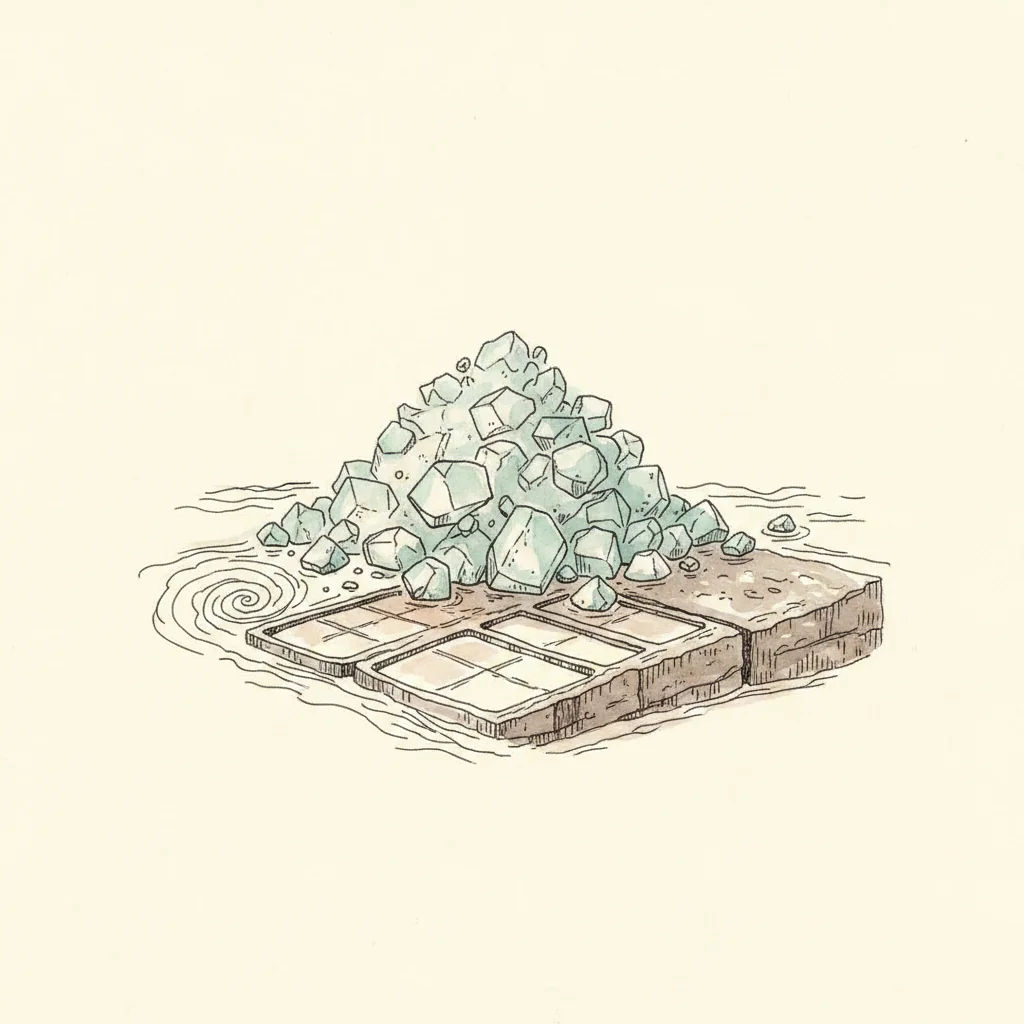
Our recommendation
Salt · Flaky sea salt
Cornish Sea Salt
Lizard Peninsula, Cornwall, England
bright Atlantic brine · clean mineral · fresh sea note
Shortbread is a butter delivery system, and the salt is what stops it being cloying. Cornish sea salt, harvested off the Lizard Peninsula, has a bright, clean Atlantic brine with no bitterness, which is exactly what buttery dough wants. Use fine salt in the mix for seasoning and press a few flakes on top for crunch and sparkle. At about £4 a tub, it is the cheapest upgrade here.
Intensity 6/10
Where to buy it
Links checked on
| Merchant | Price | Action |
|---|---|---|
| Amazon US | — | Amazon US |
| Cornish Sea Salt | — | Cornish Sea Salt |
Prices may vary depending on current promotions on the merchant site.
Affiliate links — La Pincée may earn a commission on some sales, at no extra cost to you. Read more.
The catch
Salted shortbread doesn't mean reaching for salted butter and hoping. Salted butter's salting is wildly inconsistent batch to batch, so you can't control the balance, and the salt is buried evenly into the crumb with no contrast. Use unsalted butter, season the dough with a measured sea salt, and press flakes on top. That's how you get both the balance and the bursts salted butter can't give.
Chef's note
Work fine Cornish salt into the flour for even seasoning, around a quarter teaspoon per 250g of butter, then roll, dock and cut. Press a few sea salt flakes onto the surface of each piece before it bakes, not after; they need the moisture of the raw dough to stick. They survive the oven and give a crisp, bright pop against the buttery crumb.
Tasting note
bright Atlantic brine · clean mineral · crisp flake · about £4 a 150g tub, the cheapest upgrade in the bake. Clean, brisk, no bitterness, and a tub seasons batches for months. Worth it, and skip the pricier flake here.
These three sections appear on every one of our pairing pages — our methodology.
Alternatives to explore
-
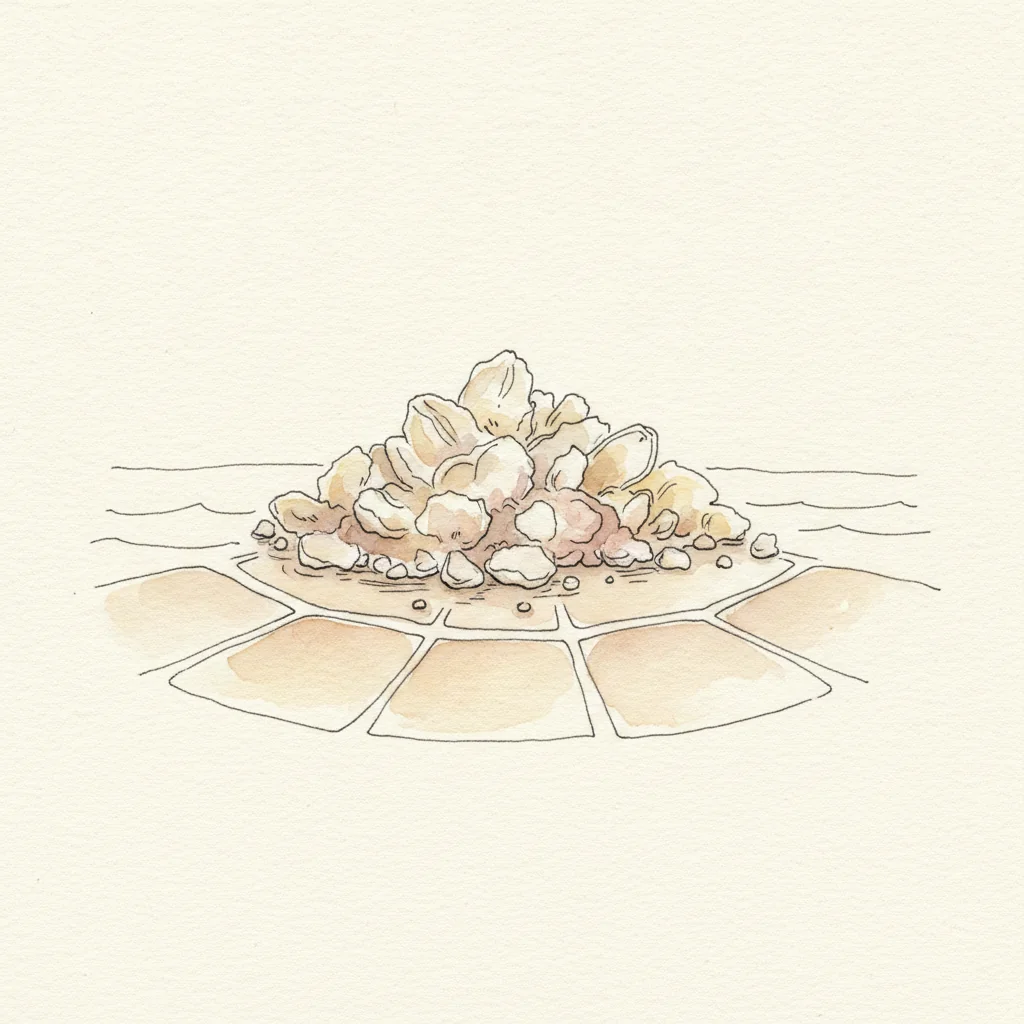
Salt · Fleur de sel
Fleur de Sel de Guérande
Guérande peninsula, Loire-Atlantique, France (PGI)
Intensity 6/10
Fleur de sel gives softer, slower-melting crystals with a faint violet note. A more delicate, slightly pricier finish if you want melt over crisp crunch on top.
Frequently asked questions
- What salt should you use in shortbread?
- A clean sea salt like Cornish. Shortbread is mostly butter and sugar, so the salt is what keeps it from being cloying, and Cornish flakes bring a bright Atlantic brine with no bitterness. Use fine salt in the dough and flakes on top.
- Do you put salt on top of shortbread or just in the dough?
- Both. Season the dough with fine salt for balance, then press a few sea salt flakes onto the surface before baking. The flakes survive the oven and give little bursts of crunch and brightness against the buttery crumb.
- Does salted shortbread need salted butter?
- Use unsalted butter and control the salt yourself with a measured sea salt; you get a cleaner, more consistent result than relying on the variable salting of salted butter. Then finish with flakes on top for contrast.
This pairing was validated according to our methodology. Purchase links are marked sponsored and may earn a commission — details on our Affiliations page.