
Dish × condiment pairing
Best tamari for a stir-fry?
Season : all-year · Occasion : weeknight, meal prep, quick dinner
A naturally brewed whole-soy tamari, splashed in at the end. Its concentrated, low-bitterness umami glazes vegetables and protein without the wheaty edge of soy, and a gluten-free label makes the whole pan safe. Add it off the heat so the aroma doesn't cook off. A 10 oz bottle runs about $6.
In detail
The best tamari for a stir-fry is a naturally brewed whole-soy bottle, splashed in at the end. Tamari is thicker and more concentrated than ordinary soy sauce, so it clings to wok-tossed vegetables and protein and glazes them instead of running to the bottom of the pan, and its round, low-bitterness umami carries the dish without the wheaty bite of regular shoyu. It is also the gluten-free pick when the label confirms it, since not every tamari is fully wheat-free. Add it off the heat or in the last few seconds: long hard cooking burns off the aroma and darkens the pan, leaving mostly salt behind. A few drops of toasted sesame oil alongside, also off the heat, adds nutty depth. A naturally brewed 10 oz bottle costs about $6, and tamari is more concentrated than light soy, so go easy.
Our recommendation
Spice · Oils, vinegars & honeys
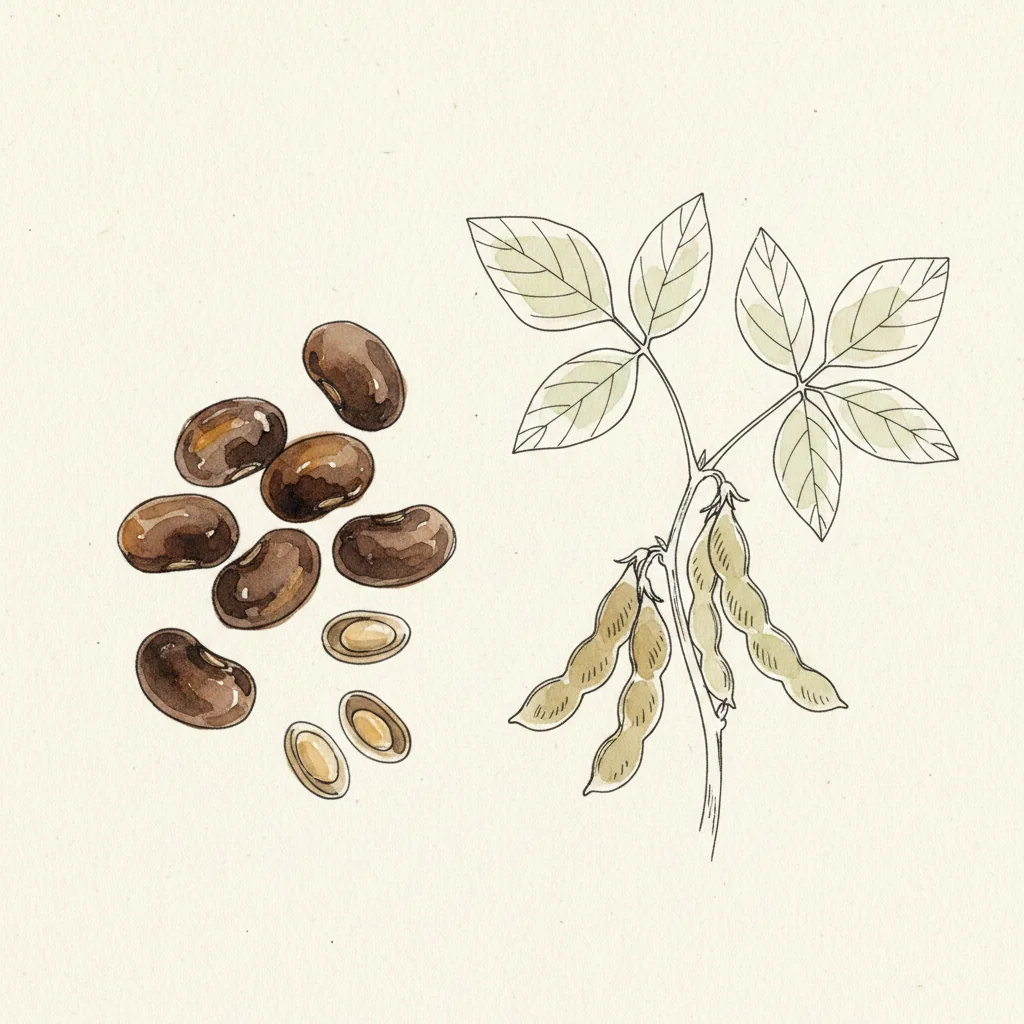
Traditional Tamari
Aichi, Gifu and Mie — the Tōkai region around Nagoya, the historic home of whole-soybean (mame) brewing and Hatchō miso, Japan
deep roasted soy · round umami · low bitterness
Tamari is the stir-fry pick because its thicker, more concentrated body clings to wok-tossed vegetables and protein, glazing rather than running off. The whole-soy, low-bitterness umami carries a pan without the wheaty bite of regular soy, and a bottle labeled gluten free keeps the dish safe for celiac cooks. Splash it in off the heat at the end; a naturally brewed 10 oz bottle costs about $6.
Intensity 8/10
Where to buy it
Links checked on
| Merchant | Price | Action |
|---|---|---|
| Amazon US | — | Amazon US |
| San-J | — | San-J |
| Sous Chef UK | — | Sous Chef UK |
Prices may vary depending on current promotions on the merchant site.
Affiliate links — La Pincée may earn a commission on some sales, at no extra cost to you. Read more.
The catch
Don't pour tamari into a hot wok at the start of cooking. Over high heat the aroma burns off and the sauce darkens to bitter, leaving you with color and salt but none of the roasted-soy depth you paid for. Tamari is a finisher in the wok: splash it in off the heat, in the last few seconds, so it glazes the food instead of scorching to the pan.
Chef's note
Cook everything else first and get it hot and dry. Kill the heat, then add the tamari around the edge of the wok and toss twice so it coats rather than pools. Remember tamari is more concentrated than light soy, so start with two teaspoons for a single pan and taste before adding more. Finish with a few drops of toasted sesame oil off the heat for nutty lift.
Tasting note
deep roasted soy · round umami · low bitterness · glazing body · about $6 for a naturally brewed 10 oz bottle that finishes weeks of weeknight pans. Worth it.
These three sections appear on every one of our pairing pages — our methodology.
Complementary ingredients
- Toasted Sesame Oil — A few drops off the heat at the very end, alongside the tamari, for nutty depth
Frequently asked questions
- Is tamari better than soy sauce in a stir-fry?
- For body and depth, yes. Tamari is thicker and more concentrated, so it clings to vegetables and protein and glazes them, with a rounder, less bitter umami. It is also the gluten-free choice when the label confirms it; regular soy sauce contains wheat.
- When do you add tamari to a stir-fry?
- Splash it in off the heat or in the last few seconds. Long hard cooking burns off the aroma and darkens the pan, leaving mostly salt. Adding it at the end glazes the food and keeps the roasted-soy depth intact.
- Is all tamari gluten-free?
- No. Most tamari is wheat-free or nearly so, but not every bottle is fully gluten-free. Check the label says gluten free if that matters, and buy a naturally brewed whole-soy bottle for the best depth.
This pairing was validated according to our methodology. Purchase links are marked sponsored and may earn a commission — details on our Affiliations page.