
Comparison
Berbere vs gochugaru: which spicy seasoning?
Different jobs entirely. Berbere is a complex Ethiopian blend — fermented chiles plus a dozen warm spices — bloomed in fat to build doro wat and lentil stews, hot (8/10) and deep. Gochugaru is a single Korean chili flake, fruity and mild (5/10), the base of kimchi and bibimbap. Berbere is heat with spice; gochugaru is fruit with warmth. Pick by cuisine.
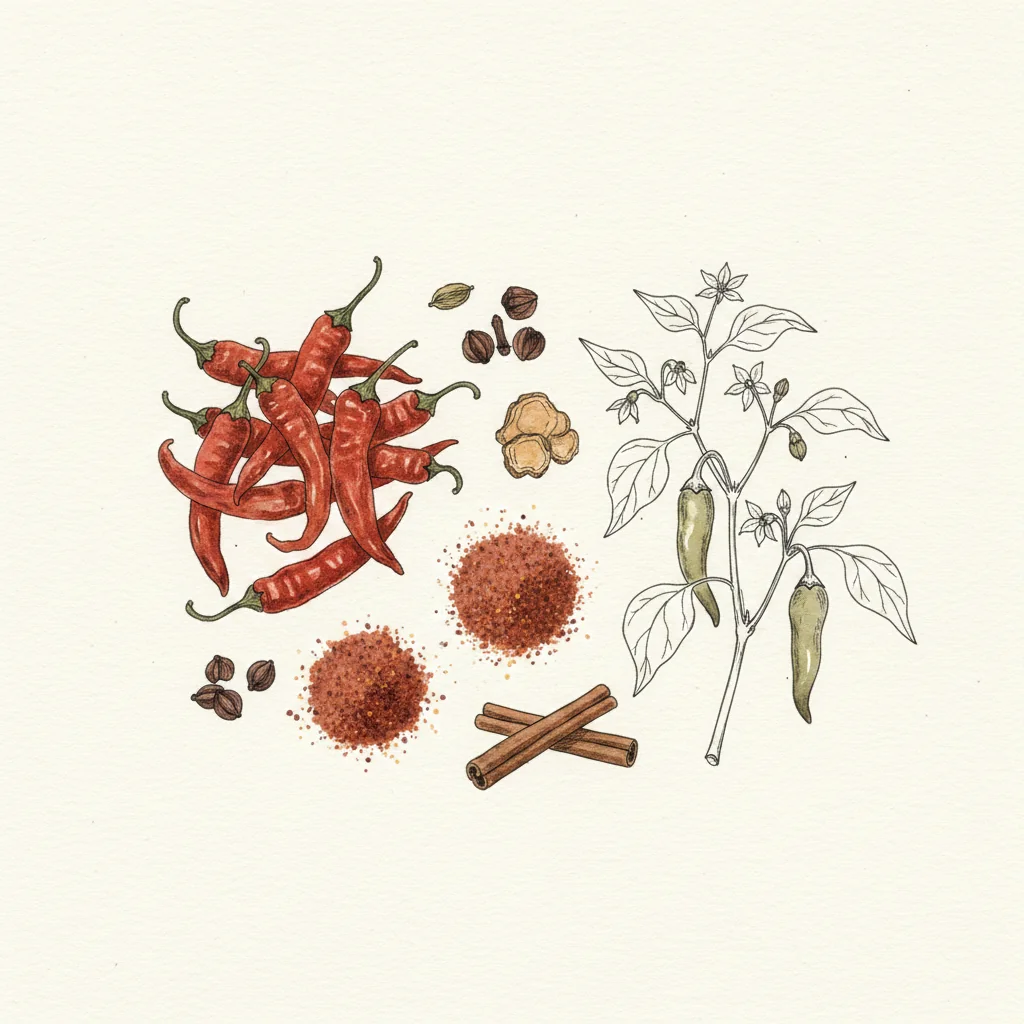
Spice · Blend
Berbere
Ethiopian highlands, household and regional recipes from Addis Ababa to Tigray, Ethiopia / Eritrea
dried chile · warm sweet spice · fenugreek
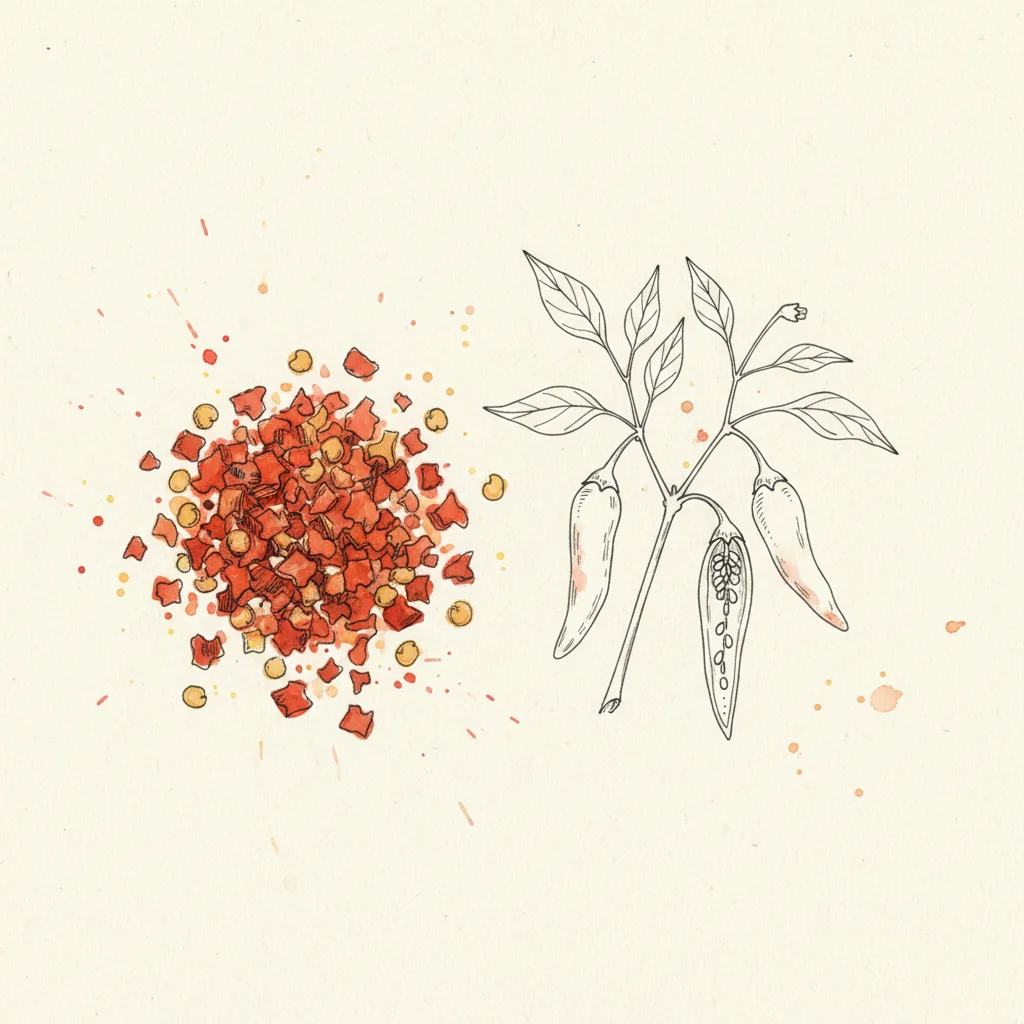
Spice · Chili flakes
Gochugaru
Yeongyang (Gyeongsang North) and Goesan (Chungcheong North), South Korea
ripe red fruit · baked apple · sun-dried tomato
Our verdict
Berbere for Ethiopian depth, gochugaru for Korean fruit.
At a glance
| Criterion | Berbere | Gochugaru |
|---|---|---|
| Origin | Ethiopia / Eritrea (compound blend) | South Korea, Yeongyang & Goesan (single chili) |
| Type | Blend: chiles + fenugreek, korarima, ginger, ajwain | Pure sun-dried red chili flake |
| Flavor | Dried chile, warm sweet spice, fenugreek edge | Ripe red fruit, baked apple, sun-dried tomato |
| Heat | 8/10 — building, wrapped in sweet spice | 5/10 — fruity, settles in, never harsh |
| When to add | Bloomed early in oil at the stew base | Into a marinade or paste; partway through cooking |
| Best use | Doro wat, misir wot, tibs, grilled-chicken rub | Kimchi, bibimbap, tteokbokki, chili oil |
| Price | ~$10 / 4 oz bag | ~$15 / 1 lb bag |
When to choose Berbere
Reach for berbere when you want heat with depth, not just fire — a brick-red blend that carries a whole Ethiopian stew. Berbere is the backbone of Ethiopian and Eritrean cooking: built on fermented, sun-dried chiles and over a dozen warm spices like fenugreek, korarima, ginger, garlic and ajwain, with household and regional recipes from Addis Ababa to Tigray. The sensation is a building chile heat wrapped in sweet warm spice, never just hot, with a faint bitter fenugreek edge underneath and a long finish where the heat and the warm spice hold together well after the bite, around 8 out of 10. The technique is non-negotiable: bloom it early in oil or niter kibbeh at the base of a stew, never sprinkle it raw at the end, because raw it tastes dusty and the fenugreek stays harsh. It's the heart of doro wat, the Ethiopian chicken stew, of misir wot red-lentil stew, of beef and lamb tibs, and it doubles as a superb rub for grilled chicken or short ribs, a lift for roasted sweet potatoes and squash, and a kick in scrambled eggs and shakshuka — 1 to 2 tablespoons per pot of stew for four, bloomed in fat first, starting low because it builds. Keep it off delicate white fish, which the chile and fenugreek bury, away from raw applications like tartare or light vinaigrettes, and out of anything where you don't want visible heat. Store it in an airtight opaque jar away from light and heat; the chile and ground spices fade within about a year, so buy in small amounts and replace it once the red dulls to brown. At about $9 to $12 for a 4 oz bag it's an inexpensive way into a whole cuisine. Berbere is the hot, deep, composed option — reach for it when the dish needs both burn and backbone.
When to choose Gochugaru
Reach for gochugaru when you want fruity color and a gentle, settling warmth rather than a punch — the building block of Korean cooking. It's Korean red chili dried in the sun, then crushed to a medium flake, a bright red-orange with a gentle 5 out of 10 heat. Don't confuse it with Italian chili flakes: gochugaru doesn't bite on contact, it settles in, building on the second taste rather than hitting up front, never harsh, with ripe red fruit, baked apple and sun-dried tomato up front and a faintly sweet finish. This is the backbone of kimchi, bibimbap and gochujang, and it goes into tteokbokki, ssamjang, bulgogi marinade and homemade chili oil. The way to use it depends on the dish: stir it into a long marinade or partway through cooking, and for kimchi mix it to a paste with water and fish sauce — 2 teaspoons per 2 lb of cabbage for kimchi, 1 teaspoon for a marinade serving four. Keep it away from delicate sweets like panna cotta, off clear oil-and-vinegar dressings, and away from smooth fresh cheeses, where its fruity-savory warmth has nothing to grab. Storage matters more than with most flakes: keep it in a resealable bag or airtight jar, ideally refrigerated after opening to hold the color and the natural moisture, where it keeps its punch about 12 months. At about $15 for a 1 lb bag — which lasts months — it's the cheap, essential chili of a Korean pantry. Against berbere, gochugaru is the milder, fruitier, single-chili option, and it's a flake you build a marinade or a kimchi around, not a composed spice blend you bloom. If the dish is Korean, or you want color and fruit over heat, this is the one.
Where to buy?
Berbere
Links checked on
| Merchant | Price | Action |
|---|---|---|
| Burlap & Barrel | — | Burlap & Barrel |
| Amazon US | — | Amazon US |
| Sous Chef UK | — | Sous Chef UK |
Prices may vary depending on current promotions on the merchant site.
Gochugaru
Links checked on
| Merchant | Price | Action |
|---|---|---|
| Amazon US | — | Amazon US |
| Sous Chef UK | — | Sous Chef UK |
Prices may vary depending on current promotions on the merchant site.
Frequently asked questions
- Is berbere hotter than gochugaru?
- Yes, clearly — berbere sits around 8 out of 10 with a building chile heat wrapped in warm spice, while gochugaru is a gentle, fruity 5 out of 10 that settles in rather than bites. If you want real heat plus depth, it's berbere; for color and fruit, gochugaru.
- Can gochugaru replace berbere?
- Not really. Gochugaru is a single mild chili flake; berbere is a hot, composed blend of chiles plus fenugreek, ginger and a dozen spices. Gochugaru alone gives you neither the heat nor the warm-spice depth a berbere dish needs.
- Why does my berbere taste dusty and harsh?
- You added it raw. Berbere has to bloom in oil or niter kibbeh at the base of the stew — that wakes the spices and tames the fenugreek. Sprinkled raw at the end, it stays dusty and the fenugreek edge turns bitter.
- Why store gochugaru in the fridge?
- To hold its bright color and natural moisture. Gochugaru keeps about 12 months and refrigerating it after opening slows the fade. Berbere, by contrast, stores at room temperature in an opaque jar and lasts about a year before the red dulls to brown.
The best pairings
With Berbere
With Gochugaru
Comparison prepared according to our methodology. Sponsored purchase links — see our affiliations.