
Comparison
Gochugaru vs Urfa biber: which chili flake?
Both are mild chili flakes, but they taste nothing alike. Gochugaru is bright, fruity and sun-dried red — buy it for kimchi and Korean cooking. Urfa biber is dark, oily and raisin-chocolate, almost smoky — buy it for grilled lamb, eggs and even dessert. Fruity-red versus raisin-dark; pick by the cuisine.
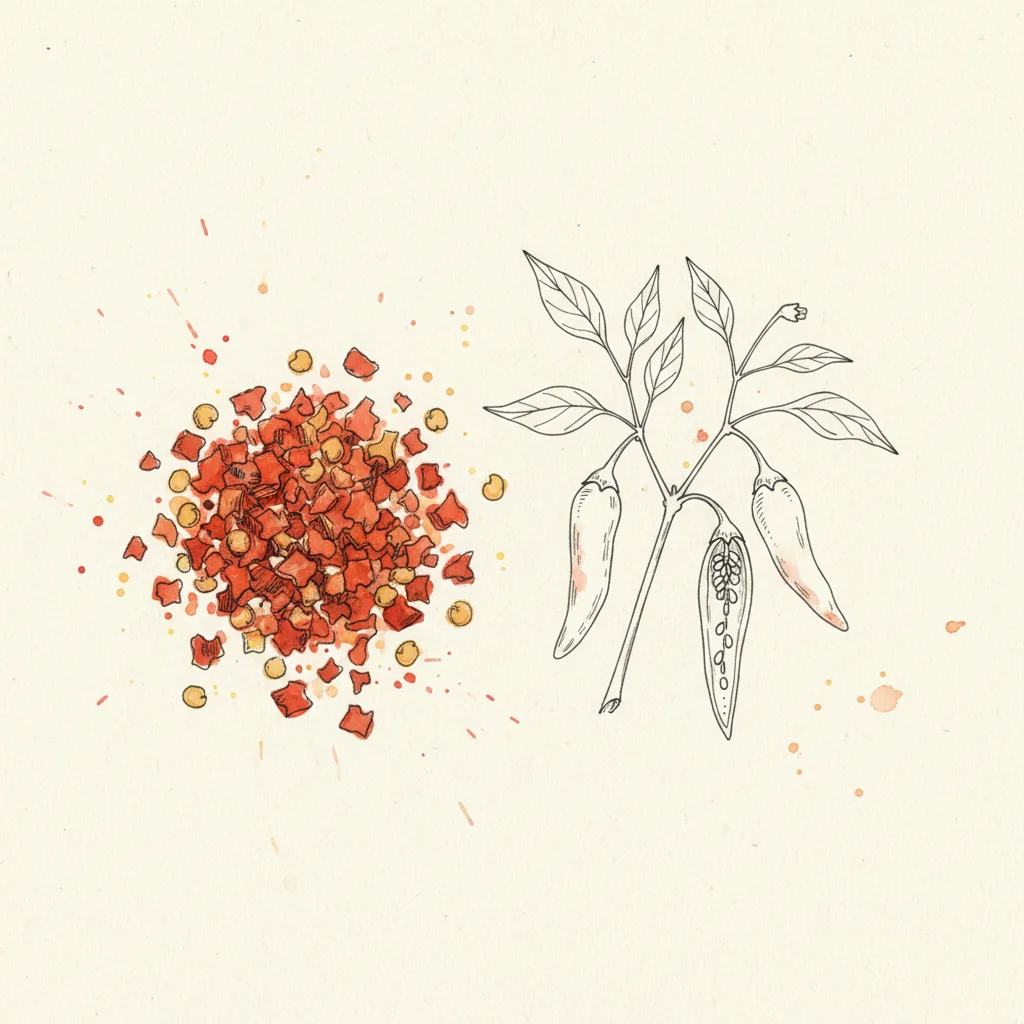
Spice · Chili flakes
Gochugaru
Yeongyang (Gyeongsang North) and Goesan (Chungcheong North), South Korea
ripe red fruit · baked apple · sun-dried tomato
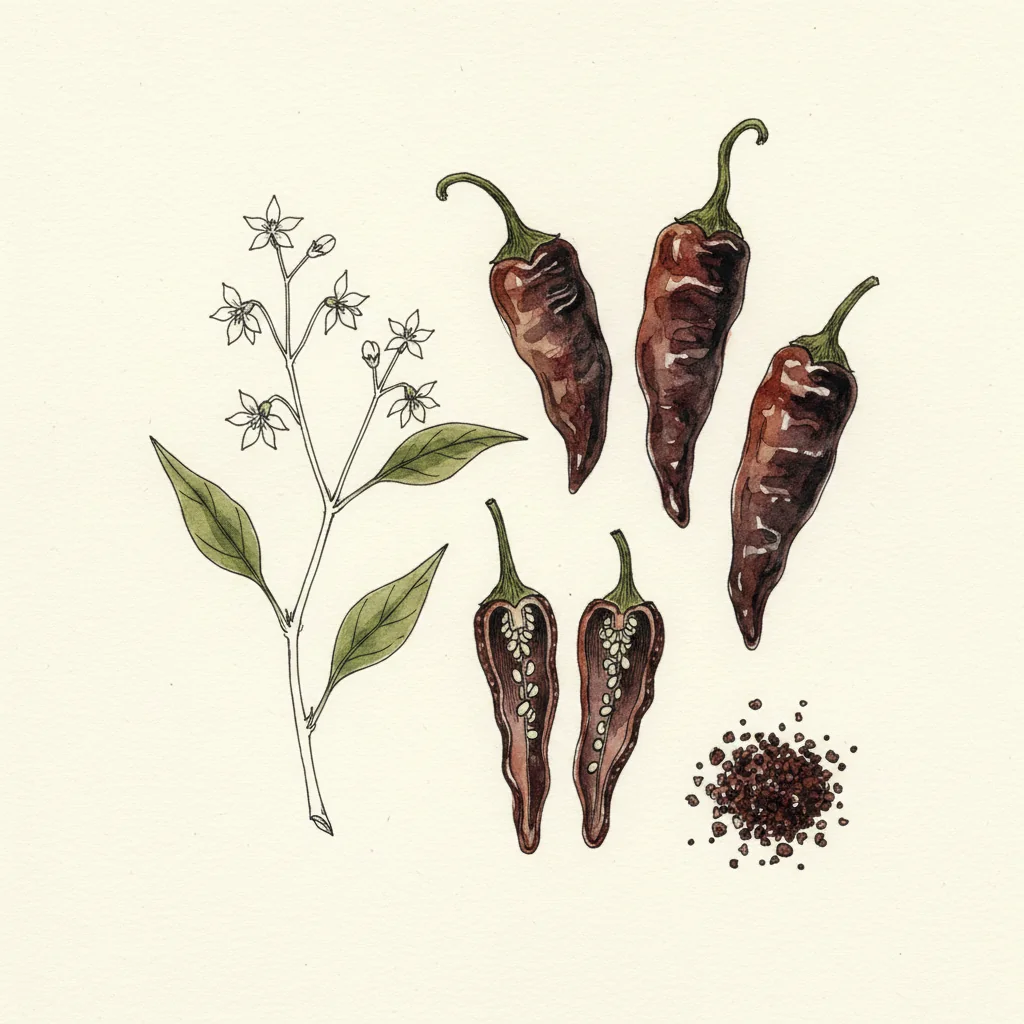
Spice · Chile
Urfa Biber
Şanlıurfa, southeastern Anatolia, Turkey
raisin · dark chocolate · tobacco
Our verdict
Gochugaru for fruity Korean heat; Urfa biber for dark, raisiny depth.
At a glance
| Criterion | Gochugaru | Urfa Biber |
|---|---|---|
| Profile | Ripe red fruit, baked apple, sun-dried tomato, light honey | Raisin, dark chocolate, tobacco, molasses, dried fig |
| Heat | 5/10 — fruity heat that builds on the second taste, never sharp | 3/10 — oily, low, slow-building warmth that lingers |
| Price | ~$15 for a 1 lb bag | ~$9.50 for a 1.8 oz / 50 g jar |
| Best use | Kimchi, bibimbap, tteokbokki, bulgogi marinade, chili oil | Grilled lamb, fried eggs, roasted eggplant, hummus, chocolate desserts |
When to choose Gochugaru
Reach for gochugaru when you're cooking Korean and want a fruity, building heat rather than a sharp one. These are sun-dried red flakes from Yeongyang and Goesan, and at 5/10 the heat arrives on the second taste, never up front — ripe red fruit, baked apple and sun-dried tomato, with a light honey edge. Four jobs it owns. First, napa cabbage kimchi, where gochugaru is non-negotiable: it's the color and the fruity heat of the paste, mixed with water and fish sauce. Second, bibimbap and tteokbokki, the rice-and-rice-cake staples. Third, a bulgogi marinade, where the fruity warmth plays against the sweet soy. Fourth, homemade chili oil, where the flakes bloom in hot oil. The thing to know: gochugaru comes in coarse (for kimchi) and fine (for pastes and oil) grinds — buy the coarse if you're making kimchi, the fine for sauces. There's no good substitute; standard crushed red pepper is far hotter and sharper, and it'll wreck the balance of a kimchi. Buy a 1 lb bag, about $15 — it's how Korean cooks buy it, and you'll use it. Store it in a resealable bag or airtight jar, ideally refrigerated after opening to hold the color and the natural moisture; the flakes should stay a little damp and vivid red. It keeps its punch for about 12 months. Keep it off delicate sweets — its fruity heat is built for savory Korean cooking, not panna cotta.
When to choose Urfa Biber
Reach for Urfa biber when you want dark, raisiny depth more than heat — it's the chili flake that tastes like dried fruit and cocoa. From Şanlıurfa in southeastern Anatolia, the peppers are sweated and sun-cured (the isot process), which is where the raisin, dark-chocolate, tobacco and molasses notes come from. At 3/10 the warmth is oily, low and slow, trailing behind the flavor rather than biting. Four jobs it owns. First, grilled lamb and kebabs, where the raisiny depth reads against the char. Second, fried or poached eggs, stirred into the butter off the heat. Third, roasted eggplant and squash, plus hummus and labneh. Fourth — and this is the one no other chili pulls off — dark-chocolate desserts and caramel, where its cocoa-raisin profile belongs. The technique: use it as a finishing flake, dusted over the plated dish, or stirred into oil and butter off the heat; it doesn't need to cook to give its flavor, and its oily texture means it melts into fat beautifully. The catch is freshness, which you can see: the flakes should stay matte burgundy-black and feel faintly oily. If they dry out and dull toward gray-brown, the aromatic oils have gone and so has the cocoa-raisin depth — that's a dead jar. Buy a small jar, around $9.50 for 1.8 oz, airtight and out of the light; it keeps about 15 months. Where gochugaru is bright and Korean, Urfa is dark and Levantine — they don't substitute for each other.
Where to buy?
Gochugaru
Links checked on
| Merchant | Price | Action |
|---|---|---|
| Amazon US | — | Amazon US |
| Sous Chef UK | — | Sous Chef UK |
Prices may vary depending on current promotions on the merchant site.
Urfa Biber
Links checked on
| Merchant | Price | Action |
|---|---|---|
| Burlap & Barrel (Black Urfa Chili) | — | Burlap & Barrel (Black Urfa Chili) |
| Amazon US | — | Amazon US |
| Sous Chef UK | — | Sous Chef UK |
Prices may vary depending on current promotions on the merchant site.
Frequently asked questions
- Can I swap gochugaru for Urfa biber?
- No. Gochugaru is bright, fruity and sun-dried red for Korean cooking; Urfa biber is dark, oily and raisin-chocolate for Levantine dishes. They taste nothing alike despite both being mild flakes.
- Which is hotter?
- Gochugaru, slightly: 5/10 against Urfa's 3/10. Both are mild — gochugaru's heat builds on the second taste, Urfa's is a low, oily warmth that trails the flavor.
- Why is my Urfa biber gray instead of dark?
- It has dried out and oxidized. Fresh Urfa is matte burgundy-black and faintly oily; a gray-brown, dry jar has lost the cocoa-raisin depth. Buy small.
- Can either go in dessert?
- Urfa biber, yes — its raisin and dark-chocolate notes suit caramel and dark-chocolate desserts. Gochugaru's fruity savory heat belongs in Korean cooking, not sweets.
The best pairings
With Gochugaru
Comparison prepared according to our methodology. Sponsored purchase links — see our affiliations.