Pillar guide
Saffron: How to Tell Real from Fake
A 2025 review estimates 20-30% of commercial saffron is adulterated (up to 60% in unregulated markets). Here's how to spot real Crocus sativus from turmeric, dyed safflower and colored fibers — the water test, the ISO 3632 grade, honest prices, and which threads to actually buy.
Here's the verdict before you buy anything: real saffron releases its color slowly, over five to ten minutes, in a clear golden-red, and the threads hold their trumpet shape. Fake saffron — dyed safflower, ground turmeric, or color-soaked corn silk — bleeds instantly in vivid yellow or orange and falls apart. That single difference, run in a glass of warm water, catches most of the fraud on the market. And there is a lot of fraud: a 2025 systematic review (Critical Reviews in Food Science and Nutrition, 23 studies) estimates that 20 to 30 percent of commercial saffron is adulterated worldwide — up to 60 percent in unregulated markets, versus around 3.5 percent in the tightly-regulated EU — colored petals, turmeric, or lower grades repackaged as premium. Saffron is one of the most counterfeited foods on earth, because at $8 to $15 a gram for the real thing, the incentive to cut it is enormous.
So buy whole threads, never powder. Pay roughly $8 to $15 a gram for Iranian Sargol — and treat anything under $5 a gram as a red flag, not a bargain. Below, the four tests that separate the real stigma from the dye job, plus what to do once you've got the good stuff.
What you'll find here
- What saffron actually is
- The four tests for real saffron
- Why fake saffron is everywhere
- What to buy, and what it costs
- How to use it so you don't waste it
- Don't confuse it with these
- FAQ
What saffron actually is
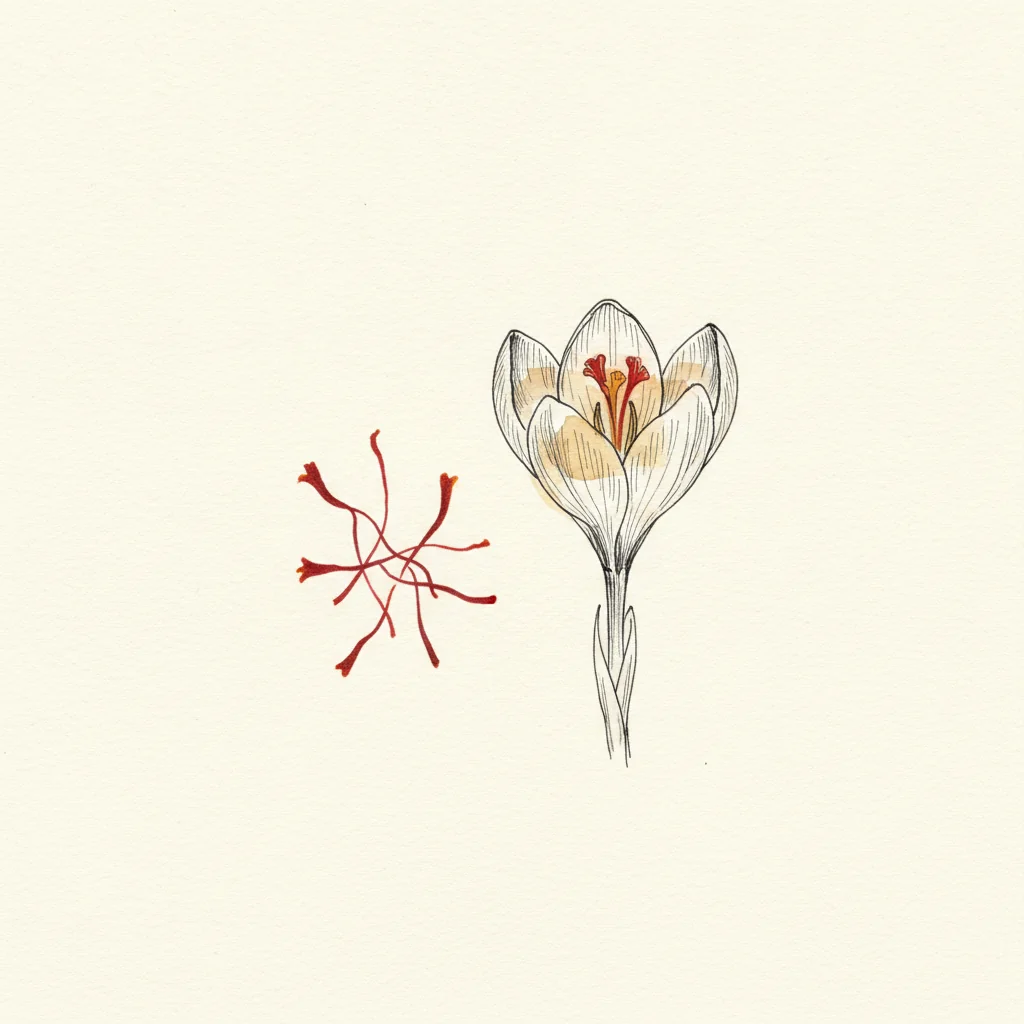
Saffron is the dried red stigma of Crocus sativus, a sterile purple autumn crocus that only reproduces when you split its bulbs. Each flower gives three red stigmas, picked by hand at dawn. It takes roughly 150 flowers to make one gram of dried saffron, which is the whole reason it costs what it does. There is no shortcut, no machine that picks it. The price is the labor.
Iran grows close to 90 percent of the world's supply, almost all of it in Khorasan — around Torbat-e Heydarieh, Ghaen, and Birjand, at 1,200 to 1,700 meters. The dry continental climate there builds an intensity that European and Kashmiri saffrons rarely match. The grade that matters most is Sargol, Persian for "top of the flower": the pure red stigma tips with the yellow style cut away. That yellow style adds weight but little color or aroma, so a pure-red Sargol is the most concentrated cut you can buy.
The quality is measured against ISO 3632, an international standard that scores three compounds: crocin (coloring power), picrocrocin (bitterness), and safranal (aroma). A good Sargol runs past 250 on the coloring scale. A reputable seller can show you the lab sheet on request. If they can't, that's information too.
The four tests for real saffron
You don't need a lab. Four checks, in order of how much fraud they catch.
1. The water test — the one that matters most. Drop a few threads into a glass of warm (not boiling) water and watch. Real saffron releases a golden-red color gradually, over five to ten minutes, and the threads keep their shape — they swell into little trumpets and the water turns the color of clear honey-amber. Fake saffron stains the water instantly: dyed safflower and turmeric bleed bright yellow or orange in seconds, and the strands often disintegrate. Real saffron never dyes the water orange-yellow on contact. That speed difference is the tell.
2. Look at the thread. A real stigma is an irregular trumpet — wider and frilled at one end, tapering at the other, sometimes with a bit of pale yellow style still attached. It's never a uniform, machine-cut stick. Dyed safflower looks like flat, even orange-red threads with no trumpet flare. If every "thread" in the jar looks identical, be suspicious.
3. Taste it. Real saffron is bitter and faintly metallic, with notes of dry honey, warm hay, and sea iodine — never sweet. The single most common fraud, dyed safflower, tastes of basically nothing, or faintly of grass. If a thread tastes sweet or candy-like, it's been treated. Chew one before you commit to the jar.
4. The rub test. Wet a thread and rub it between your fingers. Real saffron's crocin stains your skin yellow-orange and the thread stays intact. A cheap dye comes off red and the fake strand smears or dissolves. The dye is sitting on the surface; real pigment is inside the fiber.
The catch: Powder fails all four tests, which is exactly why fraudsters love it. You can't check the trumpet shape, you can't watch a thread bloom, and turmeric or paprika hides perfectly in ground form. The honest exception — a small producer who grinds their own threads — exists, but it's rare and you can't tell it apart from the fake by eye. So the rule is simple: buy whole threads, never powder. If you only ever follow one piece of saffron advice, follow that one.
Why fake saffron is everywhere
The economics explain it. Real saffron sells for $8 to $15 a gram; the things used to fake it — safflower petals, turmeric, dyed corn silk — cost cents. The margin on a convincing fake is enormous, and the powder form makes detection nearly impossible at the point of sale.
A few patterns to know:
- Dyed safflower (sometimes sold as "Portuguese saffron" or "saffron thistle") is the classic substitute: flat orange-red threads, no aroma, instant red bleed in water.
- Turmeric and paprika turn up in powdered "saffron" for the color alone — all yellow, none of the perfume.
- "Spanish saffron" without a DOP certificate is often Iranian saffron repackaged. Spain imports large volumes and relabels it; only La Mancha DOP guarantees genuinely Spanish origin.
- Lower grades sold as Sargol — Pushal or Bunch cuts (which include the yellow style) repackaged and priced as premium pure-red. Legal saffron, dishonest label.
The cleanest defenses are structural: buy whole threads, buy from a seller who'll show the ISO 3632 sheet, and refuse the suspiciously cheap. Anything under $5 a gram is statistically not real saffron. That's not snobbery — it's arithmetic. You cannot hand-pick 150 flowers and sell the result for the price of turmeric.
What to buy, and what it costs
For almost every kitchen, the answer is Iranian Sargol saffron, the pure red stigma tips from Khorasan. It runs about $8 to $15 a gram, median around $11, and it scores past 250 for coloring power — the most concentrated cut on the market and, oddly, the most economical, because a pinch carries a whole pan. It's the right saffron for risotto alla milanese, paella, bouillabaisse, tagines, biryani, and saffron ice cream. Buy 0.5 to 2 grams at a time in an opaque glass tube — it keeps its aroma for about two years away from light. Reliable sources include Slofoodgroup and Amazon in the US, Sous Chef in the UK.
A real-thing dose for four servings is 0.1 to 0.2 g — about 15 to 25 threads — which works out to $1 to $3 a plate. That's the number that should reassure you: real saffron is expensive by the gram and cheap by the meal.
Two spices people confuse with saffron — and why they're not substitutes
When saffron's price scares cooks off, two yellow spices get suggested as stand-ins. Both are excellent. Neither replaces saffron.
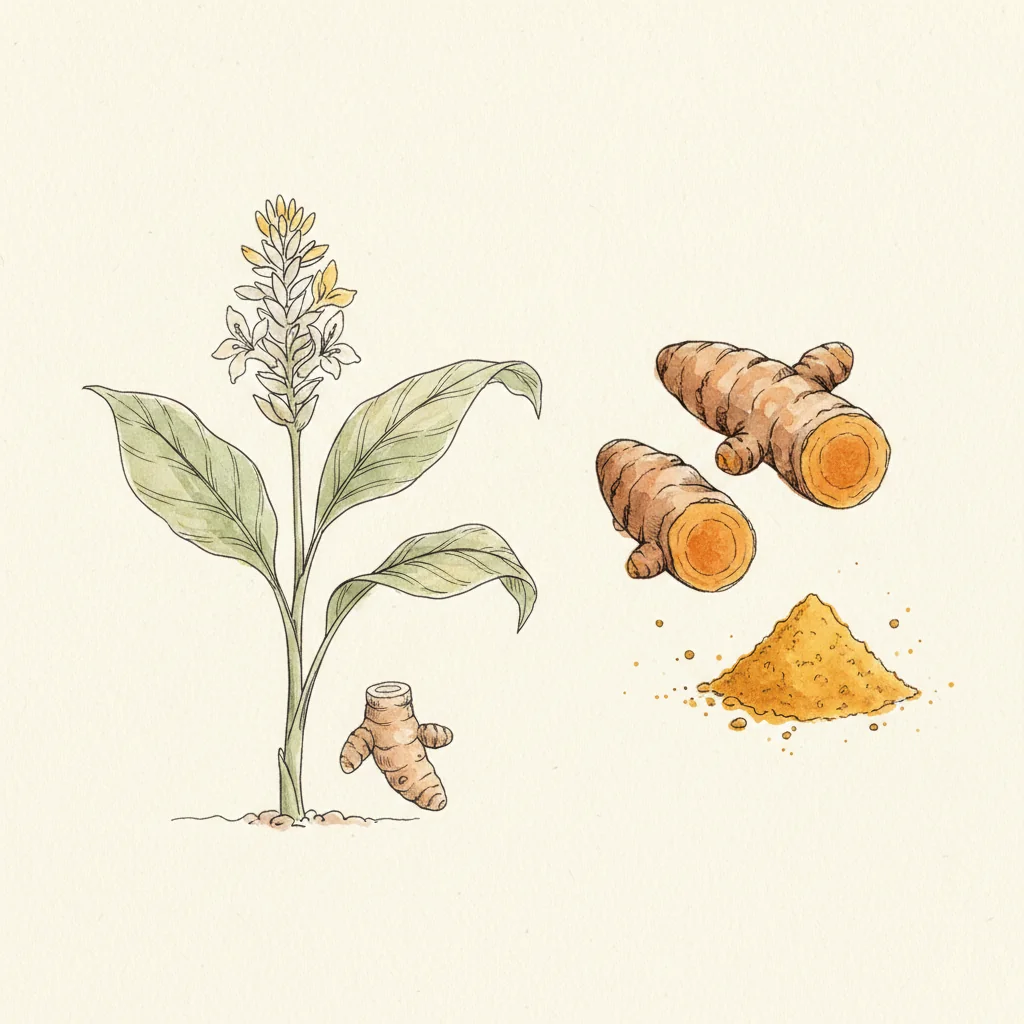
Pragati turmeric gives you saffron's color and nothing else. It's the rhizome of Curcuma longa, all warm earth, fresh ginger, and bitter orange peel — a single-origin heirloom grown by the Kasaraneni family near Vijayawada, tested at 5.2% curcumin against the 1–3% of supermarket dust, about $10 for a 48 g tin from Diaspora Co. Use it for golden milk, dals, and curries where you want that deep earthy yellow. But bloom it in hot fat early so the raw bitterness cooks off — and never reach for it expecting saffron's honey-hay perfume. There isn't a plant that does what saffron does.
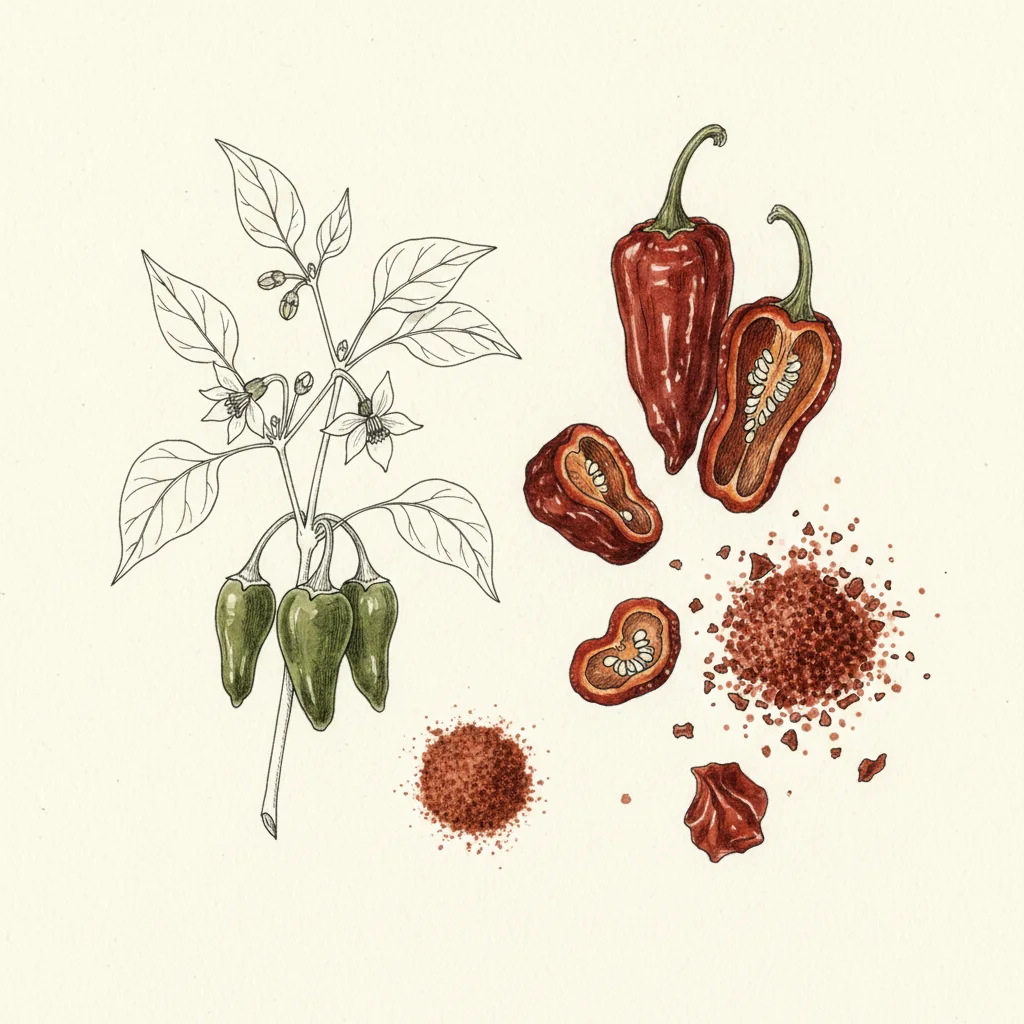
Pimentón de la Vera DOP is the other one — the red color sometimes confuses shoppers, but it's smoked paprika, Capsicum annuum oak-smoked for two weeks in La Vera, DOP-protected (EU registration 2007), around $7 to $12 for a 50 g tin. It's deep oak smoke and roasted red pepper, built for chorizo, patatas bravas, and BBQ rubs. The catch it shares with saffron: high dry heat scorches the sugars and turns it bitter, so bloom it in warm oil off direct heat — don't dust it on a screaming pan. Different spice, different job, same lesson about heat.
How to use it so you don't waste it
The most expensive saffron mistake isn't buying fake — it's cooking the real stuff wrong. Always steep first; never throw threads into a boiling pot. Safranal, the aroma compound, breaks down with prolonged direct heat. Toss raw threads into a roiling bouillabaisse and you get the color but not the smell — which is exactly why so many saffron dishes look the part and taste of nothing.
The right move: 15 to 25 threads for four people, crushed lightly and bloomed in about 50 ml of warm liquid — water, milk, or stock at 122–158°F (50–70°C), never boiling — for at least 20 minutes. Then pour the infusion and the threads into the dish near the end of cooking, off the heat. For risotto, stir the steeped saffron in at the halfway point. For paella and bouillabaisse, bloom it in a little hot stock and add it off the flame.
Chef's note: Steep it the night before. Threads in a small jar with 50 ml of warm water, covered, in the fridge for 12 hours. A long cold macération pulls far more safranal and crocin out of the threads than the 20-minute rush — concentrated, golden-red, ready to fold in. You'll use about 20 percent less saffron for the same color and a deeper aroma. It's the single move that makes an expensive jar last.
Store it in an opaque glass tube, away from light, at room temperature — never the fridge, where condensation ruins it. Two years of optimal aroma; the color holds longer than the smell.
Don't confuse it with these
- Powdered "saffron." Roughly 90 percent of the time it's cut with turmeric or safflower. Buy threads.
- "Spanish saffron" with no DOP. Often relabeled Iranian. Only La Mancha DOP certifies Spanish origin.
- Saffron under $5 a gram. Statistically impossible to produce honestly. It's safflower, dyed petals, or repackaged fakes.
- Turmeric as a "saffron substitute." Same yellow, zero shared aroma. Great spice (see Pragati), wrong job.
- The "medicinal saffron" pitch. Antidepressant, anti-Alzheimer, anti-cancer claims lean on preliminary studies, not clinical proof. Culinary, yes. Pharmacy, no.
FAQ
How can I tell if my saffron is real at home?
Drop a few threads in warm water and watch. Real saffron releases a golden-red color slowly, over five to ten minutes, and the threads keep their trumpet shape. Fake saffron (dyed safflower, turmeric, colored corn silk) stains the water instantly in bright yellow or orange and falls apart. Real saffron also tastes bitter and faintly metallic, never sweet, and stains your fingers yellow-orange when rubbed wet — not red.
Why is real saffron so expensive?
Because it's all hand work. Each Crocus sativus flower yields only three red stigmas, and it takes about 150 flowers to make a single gram, all hand-picked at dawn. There's no machine harvest. At $8 to $15 a gram for genuine Iranian Sargol, that price reflects the labor, not a markup — which is why anything under $5 a gram is almost certainly fake.
What's the difference between Sargol and other grades?
Sargol means the pure red stigma tips with the yellow style removed — the most concentrated cut, scoring past 250 for coloring power on the ISO 3632 scale. Pushal and Bunch grades include some of the yellow style, which adds weight but little color or aroma. A common fraud is selling those cheaper grades repackaged as Sargol, so check the threads: pure Sargol is uniformly deep red, not red-and-yellow.
Can I use turmeric instead of saffron?
No. Turmeric gives a similar yellow color but shares none of saffron's aroma — saffron's honey, hay, and iodine notes have no plant equivalent. Pragati turmeric is excellent in dals, curries, and golden milk where you want deep earthy color and warmth, but it won't stand in for saffron in a risotto or bouillabaisse. They're different spices doing different jobs.
How much real saffron do I need for a recipe?
About 15 to 25 threads (0.1 to 0.2 g) for four servings — roughly $1 to $3 a plate. Steep the threads in 50 ml of warm liquid for at least 20 minutes first, then add the infusion and threads near the end of cooking, off the heat. A little goes a long way, which is why real saffron is costly by the gram but cheap by the meal.
How long does saffron keep?
About two years of optimal aroma in an opaque glass tube, away from light, at room temperature. Past that it's still usable but the smell fades; the color holds longer than the aroma. Never store it in the fridge — condensation ruins it.
The bottom line
Saffron fraud is real and widespread, but it's also easy to beat. Buy whole threads, never powder. Pay a fair $8 to $15 a gram and walk away from anything under $5. Run the water test — slow golden-red bloom, threads holding their shape. Then steep before you cook so you actually taste what you paid for. Get those four things right and a single jar of Iranian Sargol carries a year of risottos and paellas for a couple of dollars a plate. If you're unsure which thread fits your dish, the Oracle crosses dish against profile.
Methodology: these recommendations follow our methodology. Purchase links are marked sponsored and earn us a commission at no extra cost to you — see our affiliate policy.