
Comparison
Za'atar vs shichimi togarashi: which sprinkle blend?
Match the blend to the table. Za'atar — wild thyme, sumac, toasted sesame — is herbal and lemon-tart for flatbread, labneh and eggs. Shichimi togarashi — chili, sanshō, orange peel, sesame, nori — is a citrus-and-chili lift for udon, yakitori and rice bowls. Both are finishing dusts, never cooked. Za'atar for herb, shichimi for heat.
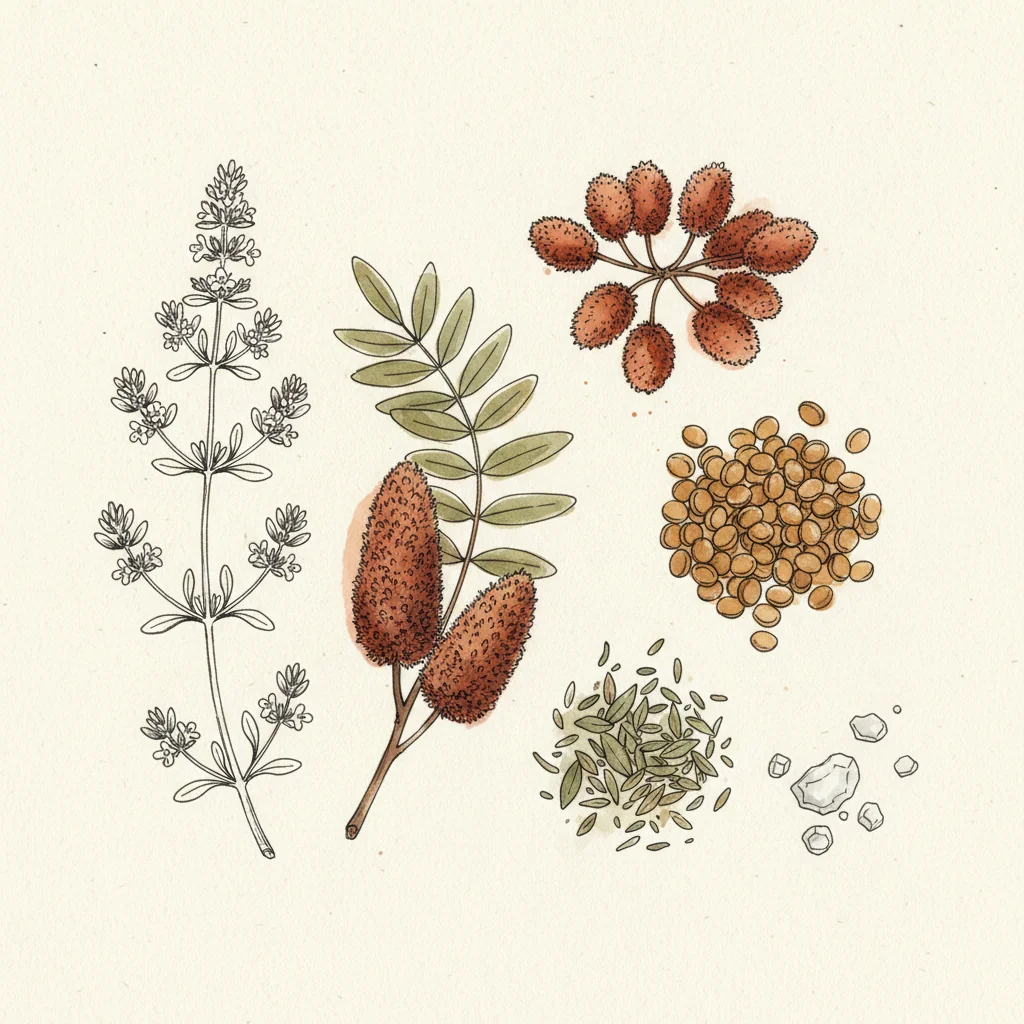
Spice · Blend
Za'atar
Levant, with distinct house styles in Beirut, Damascus and Nablus, Lebanon / Syria / Palestine
fresh wild thyme · tart sumac · toasted sesame
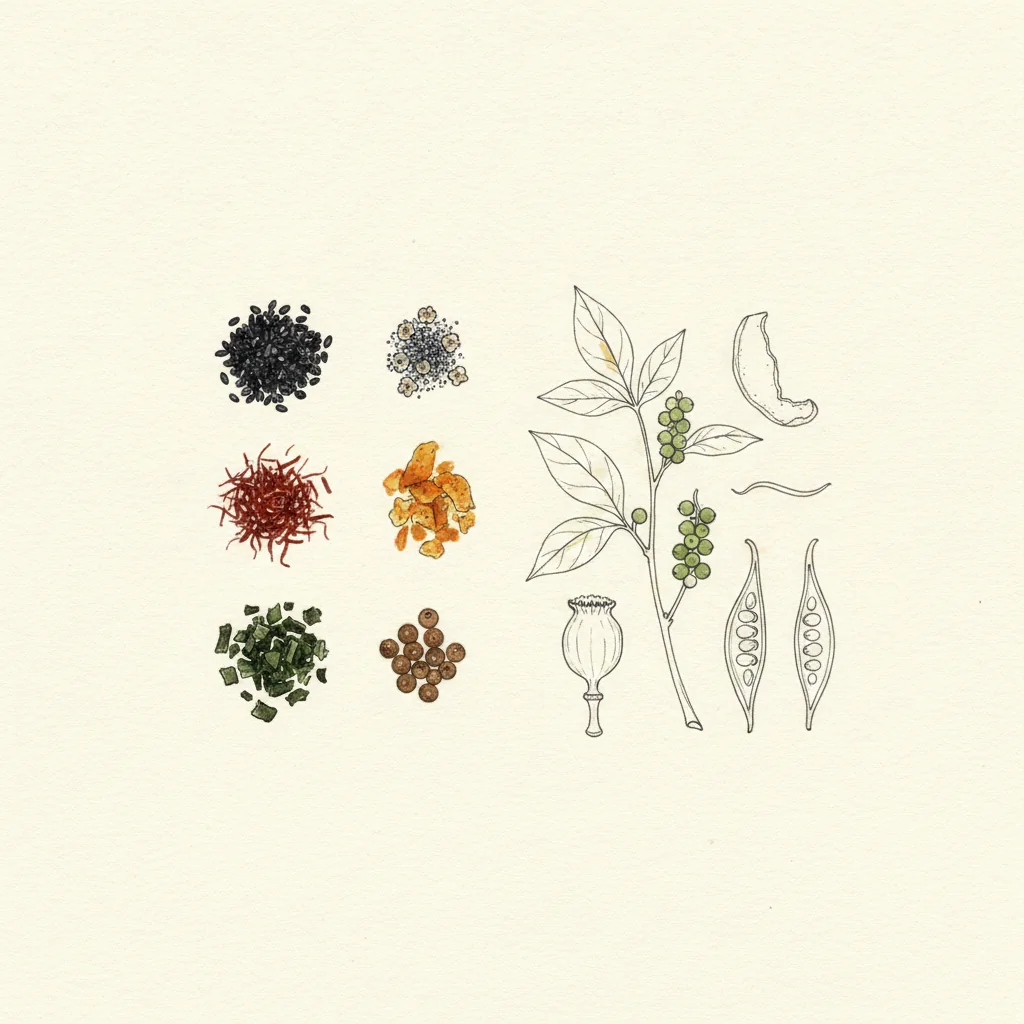
Spice · Blend
Shichimi Togarashi
Born in Edo (now Tokyo) at the Yagenbori apothecary; chili itself grown in Nagano and nationwide, blended by houses across the country, Japan
toasted citrus peel · nutty sesame · dry chili heat
Our verdict
Za'atar for herbal-tart Levantine plates; shichimi for citrus-chili heat on Japanese bowls.
At a glance
| Criterion | Za'atar | Shichimi Togarashi |
|---|---|---|
| Origin | Levant — Lebanon, Syria, Palestine | Japan — born at the Yagenbori apothecary, Edo |
| What it is | Wild thyme (Origanum syriacum), sumac, toasted sesame, salt | Seven flavors: chili, sanshō, orange peel, sesame, nori, hemp, poppy |
| Profile | 5/10 — herbal and lightly tart, sesame grip | 5/10 — citrus-chili lift, faint sanshō tingle |
| Main notes | Fresh wild thyme, tart sumac, toasted sesame | Toasted citrus peel, nutty sesame, dry chili heat |
| Best use | Man'oushe, labneh, hummus, eggs, sliced tomatoes | Udon and soba, gyudon, yakitori, miso soup, grilled salmon |
| Price | ~$9.50 for a 2 oz jar | ~$6 for a 15 g bottle (S&B Nanami ~$5) |
| Value | Good value — but cheap blends fake the thyme; check the label | Cheap and easy to start; citrus and nori fade first, buy small |
When to choose Za'atar
Choose za'atar when the plate is Levantine and you want herbal lift with a tart, lemony edge. It's the daily spice of Lebanon, Syria and Palestine — wild thyme, sumac, toasted sesame and salt — and it isn't one finishing blend among many: it's breakfast on a grilled man'oushe and the dust over a bowl of labneh. The profile is herbal and lightly tart, the sumac doing the lemon work and the sesame adding a nutty grip, with soft oregano and a faint hazelnut behind. Four scenarios where za'atar is the right pick. First: man'oushe, the Levantine flatbread brushed with za'atar loosened in olive oil and baked — the dish the blend was made for. Second: labneh with a pool of olive oil, where a generous dust turns thick yogurt into a mezze. Third: fried or scrambled eggs, where the thyme-and-sumac hit reads bright in the morning. Fourth: sliced tomatoes or warm pita dipped in oil then za'atar. The technique is finishing — dusted on at the end, or loosened with olive oil into a paste to brush before baking. Stir a generous tablespoon into olive oil first so it clings to the bread or the labneh. One thing to avoid: long oven roasts over 25 minutes scorch the thyme and turn it bitter, so keep it to a quick bake or a raw finish. Where za'atar parts ways with shichimi is the flavor axis: it's herbal and citrus-tart with no real heat, where shichimi leads with chili and a sanshō tingle, so za'atar belongs to bread, eggs and vegetables, not to a hot noodle bowl. The catch is the thyme, and it's a real one: cheap blends swap real Origanum syriacum for ordinary thyme, and the flavor falls flat — so read the label and look for 'wild thyme' or the Origanum syriacum name. A good jar runs about $9 to $10 for 2 oz in the US. Store it airtight and opaque, away from light and heat, because the sesame is oily and humidity turns it rancid fast; it keeps 9 to 12 months, past which the sesame goes stale and the thyme fades. If your cooking leans Mediterranean, za'atar earns its permanent jar; for a Japanese table, reach for shichimi instead.
When to choose Shichimi Togarashi
Choose shichimi togarashi when the bowl is Japanese and you want a bright citrus-and-chili lift rather than an herbal one. Shichimi means 'seven flavors': Japanese chili, sanshō pepper, roasted orange peel, black and white sesame, nori, hemp and poppy seed. It was first sold as a digestive remedy at the Yagenbori apothecary in 17th-century Edo, and it's still a table condiment, not a cooking spice. The profile opens with toasted citrus and dry chili, then a faint sanshō tingle, never a flat burn, fading clean on toasted sesame. Four scenarios where shichimi is the right pick. First: udon and soba in hot broth, where a pinch at the table cuts the richness. Second: a gyudon beef bowl, where the citrus lifts the soy-sweet beef. Third: yakitori and grilled skewers, dusted on right off the grill. Fourth: miso soup, tempura, grilled salmon or tofu — anywhere you want heat plus a marine-citrus snap. Like za'atar, it's a finishing dust: sprinkled raw at the table, off the heat, never bloomed in fat like a cooking blend — cook it and the citrus and nori vanish into a long braise. The dose is a pinch per bowl, about 1/4 teaspoon, added to taste. Where it splits from za'atar is the whole direction: shichimi brings chili heat and a sanshō tingle that za'atar simply doesn't have, and it leans marine and citrus rather than herbal and tart, so it owns hot noodle and rice bowls but would taste wrong over labneh or man'oushe. It's the cheapest entry of the two: about $6 for a 15 g bottle, with the S&B Nanami bottle around $5 and the easy starter. Store it in an airtight, opaque shaker away from light and heat — the citrus peel and nori fade first, so buy small and use within about 6 to 9 months; the toasted sesame keeps it from staling fast, but a flat nose means it's past its best. If you cook Japanese food even occasionally, shichimi is the table shaker that pulls its weight; for a Levantine table, za'atar is the one to reach for instead.
Where to buy?
Za'atar
Links checked on
| Merchant | Price | Action |
|---|---|---|
| Burlap & Barrel | — | Burlap & Barrel |
| Amazon US | — | Amazon US |
| Sous Chef UK | — | Sous Chef UK |
Prices may vary depending on current promotions on the merchant site.
Shichimi Togarashi
Links checked on
| Merchant | Price | Action |
|---|---|---|
| Amazon US | — | Amazon US |
| Sous Chef UK | — | Sous Chef UK |
Prices may vary depending on current promotions on the merchant site.
Frequently asked questions
- Can za'atar and shichimi be swapped?
- No. Both are last-second table dusts, but they pull opposite ways. Za'atar is herbal and lemon-tart for Levantine bread, labneh and eggs; shichimi brings chili heat and citrus to Japanese noodle and rice bowls. Each tastes out of place on the other's plate.
- Does shichimi togarashi make a dish very spicy?
- Not really — it's a moderate, balanced heat, around 5 out of 10, with a sanshō tingle rather than a flat burn. The chili shares the blend with citrus peel, sesame, nori and seeds, so a pinch lifts a bowl without overwhelming it. Za'atar, by contrast, has no heat at all.
- How do I spot a cheap za'atar?
- Check the thyme. The good stuff uses wild Origanum syriacum; cheap blends swap in ordinary thyme and the flavor falls flat. Read the label, look for 'wild thyme' or the botanical name, and smell for a fresh, lemony herb note rather than a dusty one.
- Should either ever be cooked into a dish?
- Both are finishing blends, added raw off the heat. Za'atar can be loosened in oil and brushed before a quick bake, but a long roast over 25 minutes scorches its thyme bitter. Shichimi is always a table sprinkle — cook it and the citrus and nori disappear.
The best pairings
With Za'atar
With Shichimi Togarashi
Comparison prepared according to our methodology. Sponsored purchase links — see our affiliations.