
Comparison
Za'atar vs Egyptian Dukkah
Both are finishing blends eaten with bread and oil, but they hit differently. Za'atar is the Levant's fine herb dust — wild thyme, tart sumac, sesame — lemony and aromatic. Dukkah is Egypt's coarse nut-and-seed condiment, all toasted hazelnut and dry crunch. Za'atar flavors; dukkah adds texture. Reach for za'atar on flatbread and labneh, dukkah on eggs, oil-dipped bread and roasted vegetables.
Spice · Blend
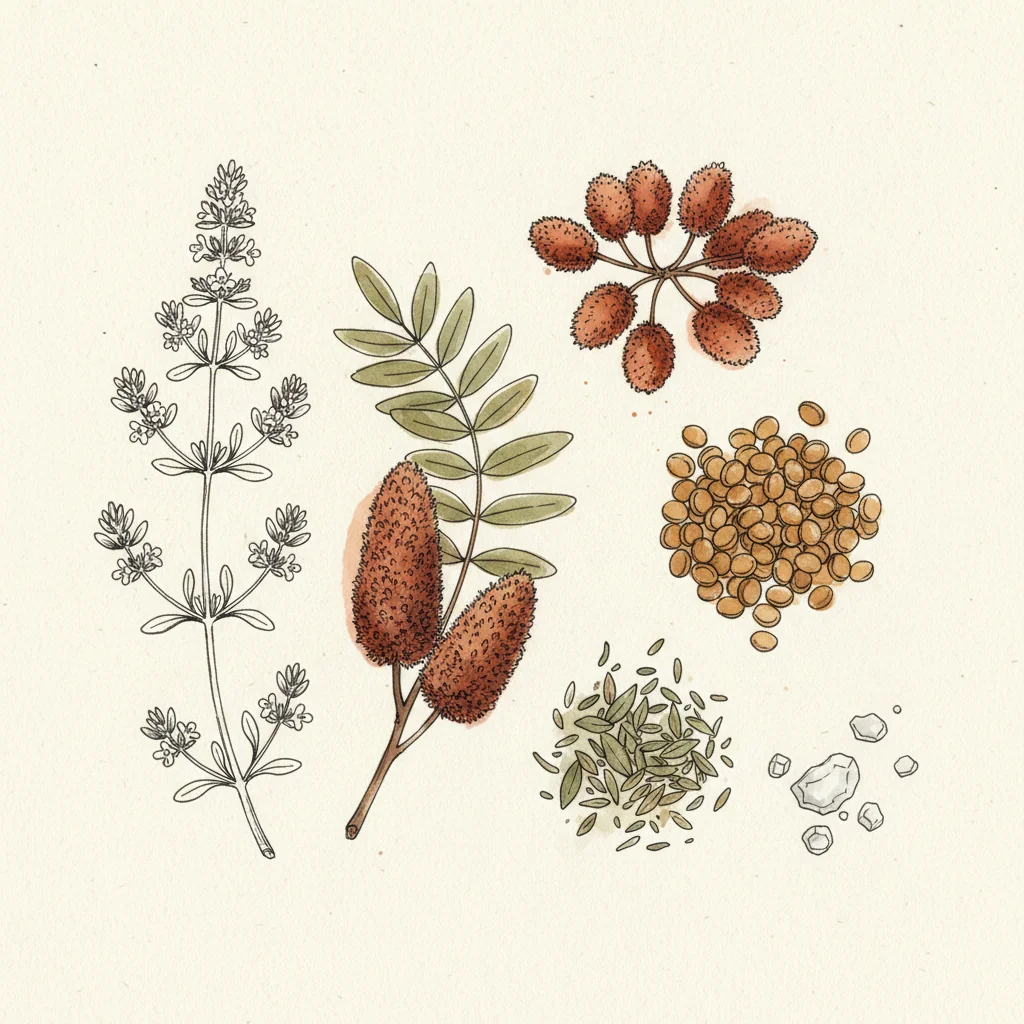
Za'atar
Levant, with distinct house styles in Beirut, Damascus and Nablus, Lebanon / Syria / Palestine
fresh wild thyme · tart sumac · toasted sesame
Spice · Blend
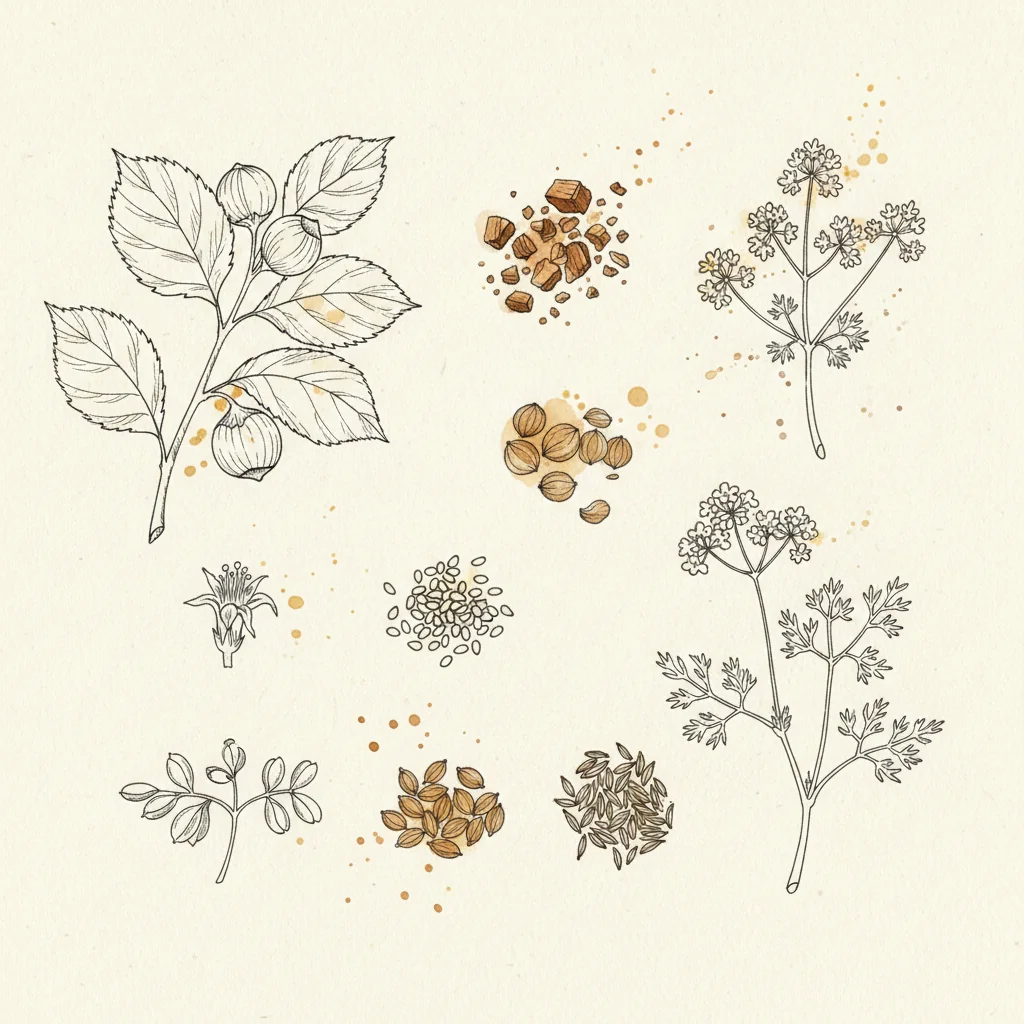
Egyptian Dukkah
Cairo and the Nile Delta, where it is a street-food and home-pantry staple eaten with bread and oil, Egypt
toasted hazelnut · warm sesame · earthy cumin
Our verdict
At a glance
| Criterion | Za'atar | Egyptian Dukkah |
|---|---|---|
| Levant — Lebanon, Syria, Palestine | Egypt — Cairo and the Nile Delta | |
| Fresh wild thyme, tart sumac, toasted sesame, lemon zest | Toasted hazelnut, sesame, earthy cumin, citrusy coriander | |
| Fine dust, 5/10 — herbal and lightly tart | Coarse and crumbly, 5/10 — nutty crunch, never a powder | |
| Man'oushe, labneh, hummus, eggs, sliced tomatoes | Oil-dipped bread, eggs, roasted vegetables, grilled lamb | |
| ~$9.50 for a 2 oz jar | ~$9 for a 2 oz / 55 g jar | |
| 9–12 months; sesame goes rancid with humidity | 3–6 months once opened; the nut oils turn fast |
When to choose Za'atar
Za'atar is the daily spice of Lebanon, Syria and Palestine, and you reach for it when you want lemony, herbal flavor rather than crunch. It's a fine dust of wild thyme, tart sumac, toasted sesame and salt — breakfast on a grilled man'oushe, the dust over a bowl of labneh, the rub for warm pita dipped in oil. It finishes a dish: scatter it at the end, or loosen it with olive oil into a paste and brush it on before baking so it clings. A generous tablespoon per flatbread, stirred into oil first. The catch is the thyme — cheap blends swap real Origanum syriacum for ordinary thyme and the flavor falls flat, so buy from a serious house. One rule: don't roast it past 25 minutes or so, since long oven heat scorches the thyme to bitterness. It also keeps better than dukkah, 9 to 12 months, though the oily sesame turns rancid with humidity. At about $9.50 a jar, it's the herbal, tart backbone of Levantine breakfast.
When to choose Egyptian Dukkah
Dukkah is Egypt's toasted nut-and-seed condiment, and you reach for it when the point is texture, not flavor alone. It's hazelnut or almond, sesame, coriander and cumin, coarsely crushed with salt and pepper — never a fine powder. You eat it dry: dip oiled bread into it, or scatter it over soft eggs, labneh, roasted carrots and cauliflower, seared lamb and avocado toast at the very last second. The one hard rule is that it's never cooked in — heat kills the crunch that's its whole reason to exist, so add it raw at the table. Set out a small bowl alongside one of good olive oil for dipping, a generous tablespoon per portion. The honest warning is shelf life: because it's mostly nuts and seeds, the oils turn rancid within 3 to 6 months of opening, far faster than a ground spice. Buy small, smell for fresh toasted nut, and refrigerate in hot climates — stale dukkah tastes of cardboard. At about $9 a jar, it's the nutty, savory crunch za'atar can't give you.
Where to buy?
Za'atar
Links checked on
| Merchant | Price | Action |
|---|---|---|
| Burlap & Barrel | — | Burlap & Barrel |
| Amazon US | — | Amazon US |
| Sous Chef UK | — | Sous Chef UK |
Prices may vary depending on current promotions on the merchant site.
Egyptian Dukkah
Links checked on
| Merchant | Price | Action |
|---|---|---|
| Amazon US | — | Amazon US |
| The Spice Way | — | The Spice Way |
| Sous Chef UK | — | Sous Chef UK |
Prices may vary depending on current promotions on the merchant site.
Frequently asked questions
- Can I use za'atar and dukkah for the same thing?
- Partly — both finish bread, eggs and labneh. But za'atar is a fine, tart-herbal dust and dukkah is a coarse, nutty crunch, so swapping one for the other changes both flavor and texture. Use za'atar when you want lemony herb, dukkah when you want bite.
- Which goes stale faster?
- Dukkah, clearly. Its nuts and seeds turn rancid within 3 to 6 months of opening, while za'atar holds 9 to 12 months. Both suffer from humidity because of the sesame oil, but dukkah's higher nut content makes it the more perishable of the two.
- Can you cook with either?
- Za'atar yes, within reason — brush it on flatbread before a short bake, but don't roast it past about 25 minutes or the thyme scorches. Dukkah, no: it's a raw, last-second condiment, and heat destroys the crunch that defines it. Add dukkah only at the table.
- What ruins a cheap version?
- For za'atar, fake herb — blends that use ordinary thyme instead of real Origanum syriacum taste flat. For dukkah, rancid or stale nuts that read as cardboard. With both, the fix is the same: buy small from a serious source and smell before you sprinkle.
The best pairings
With Za'atar
With Egyptian Dukkah
Comparison prepared according to our methodology. Sponsored purchase links — see our affiliations.