
Dish × condiment pairing
Which gochugaru for tteokbokki?
Season : all-year · Occasion : weeknight, comfort food, snack
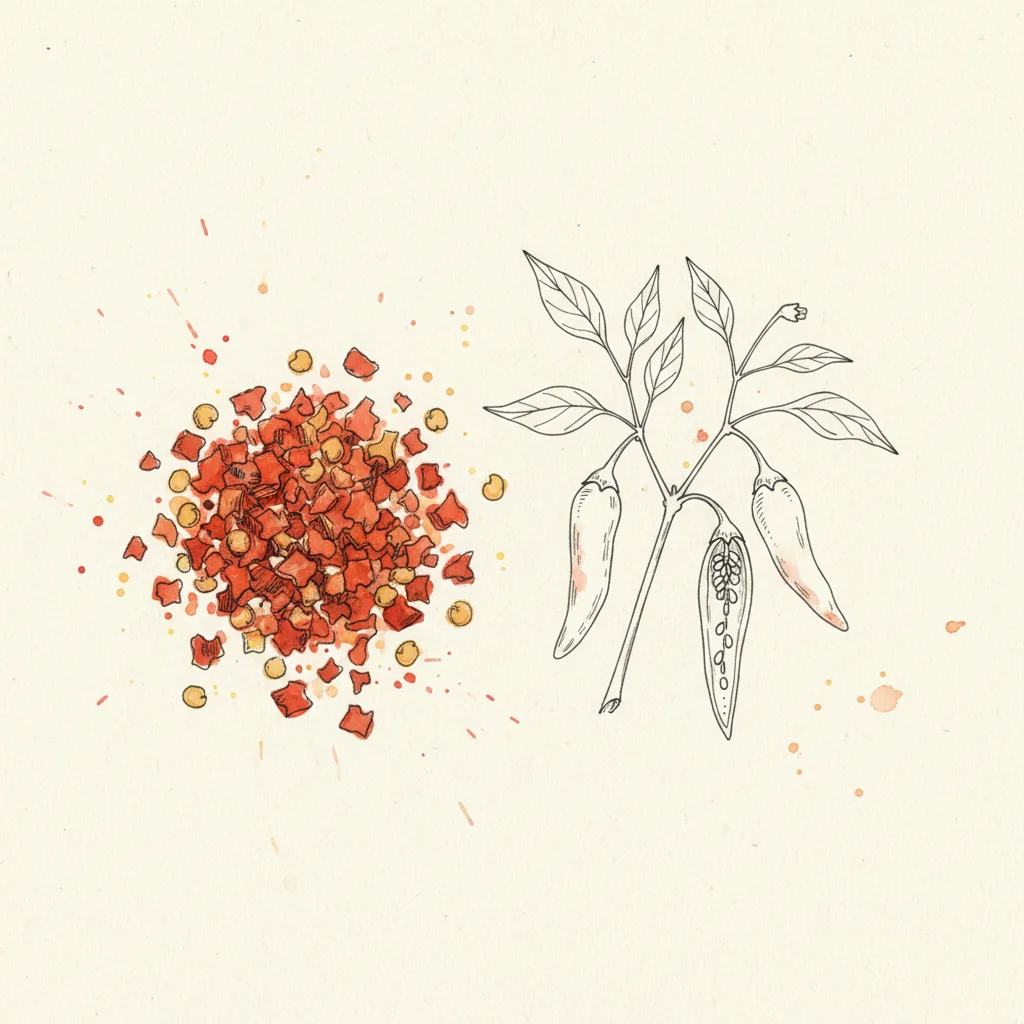
Gochugaru, the coarse Korean flake, not gochugaru powder and never Italian chili flakes. The coarse grind gives tteokbokki its red gloss and a fruity heat that builds rather than bites. Stir it into the sauce as it simmers so the color blooms and clings to the rice cakes. A pound runs about $15.
In detail
For tteokbokki, use gochugaru, the coarse Korean sun-dried red chili flake, and not gochugaru powder or Italian crushed red pepper. Gochugaru is made from Capsicum annuum dried in the sun in regions like Yeongyang and Goesan, then crushed to a medium flake. It carries a fruity, baked-apple sweetness and a gentle heat, about 5 out of 10, that builds on the second bite rather than biting on contact. That distinction matters: regular chili flakes are sharp and harsh and turn the sauce gritty, while gochugaru melts into the gochujang base for the glossy red coat tteokbokki is known for. Stir it in as the sauce simmers so the color blooms and clings to the rice cakes. Reach for the coarse flake, not the fine powder. A 1 lb bag runs about $15 and lasts months.
Our recommendation
Spice · Chili flakes
Gochugaru
Yeongyang (Gyeongsang North) and Goesan (Chungcheong North), South Korea
ripe red fruit · baked apple · sun-dried tomato
Gochugaru is the only chile that gives tteokbokki the right look and the right heat. Its sun-dried Korean flesh carries a fruity, baked-apple sweetness and a gentle 5-out-of-10 burn that settles in on the second bite instead of slapping you up front. The coarse flake melts into the gochujang sauce for that glossy red coat. A 1 lb bag is about $15 and lasts months.
Intensity 5/10
Where to buy it
Links checked on
| Merchant | Price | Action |
|---|---|---|
| Amazon US | — | Amazon US |
| Sous Chef UK | — | Sous Chef UK |
Prices may vary depending on current promotions on the merchant site.
Affiliate links — La Pincée may earn a commission on some sales, at no extra cost to you. Read more.
The catch
Don't reach for the chili flakes in your pasta drawer. Italian crushed red pepper bites sharp and up front and turns the sauce gritty and harsh. Gochugaru does the opposite: a fruity, baked-apple heat that settles in on the second bite, and a soft coarse flake that melts into a glossy red glaze. Swap in the wrong flake and you've changed both the heat and the look of the dish.
Chef's note
Use the coarse flake, not the fine powder. Stir it into the gochujang sauce as it simmers, off a hard boil, so the color blooms and clings to the rice cakes instead of going pasty. A teaspoon per serving on top of the gochujang is plenty; the paste carries most of the fire, the gochugaru carries the color and the sweet warmth. Taste before you add more, it builds.
Tasting note
ripe red fruit · baked apple · gentle building heat · about $15 for a 1 lb bag that lasts months of kimchi and bibimbap. Worth it, and there's no real substitute; refrigerate it to hold the color.
These three sections appear on every one of our pairing pages — our methodology.
Alternatives to explore
-
Spice · Chile
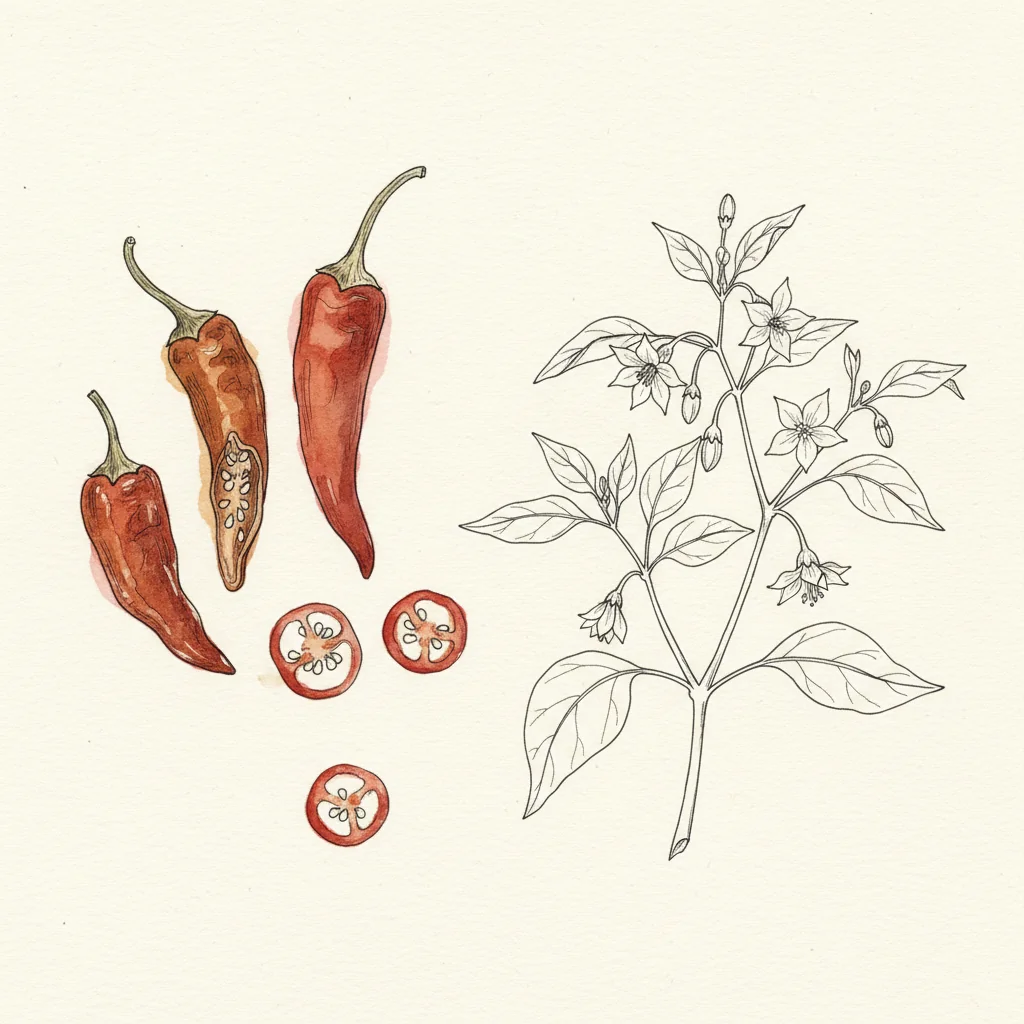
Aleppo Pepper
Southern Turkey (Gaziantep, Kahramanmaraş) and northern Syria (Aleppo), Turkey / Syria
Intensity 4/10
Aleppo's fruity, sun-dried flake is the closest stand-in if you can't find gochugaru. The heat and color land in the same range, though it runs slightly more raisiny and less clean.
-
Spice · Dried smoked chile
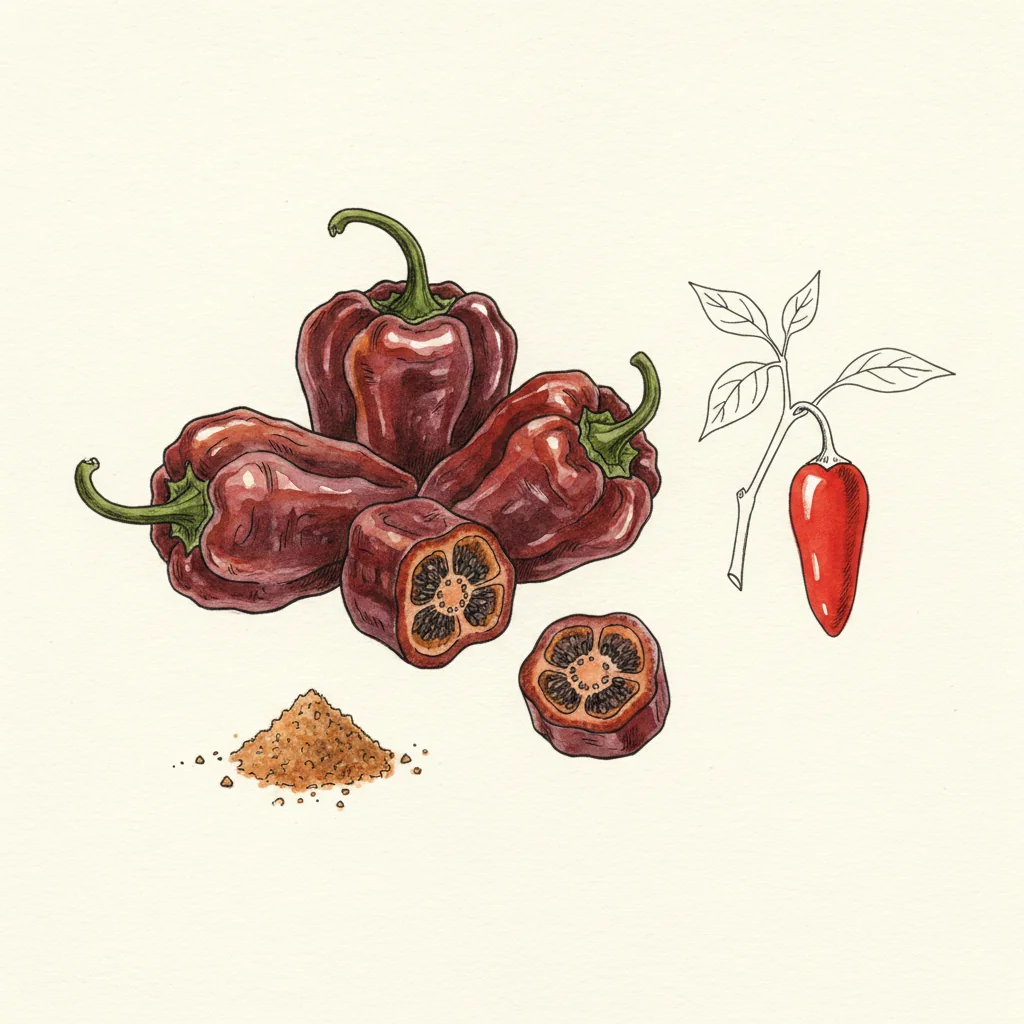
Chipotle Morita
Chihuahua and Veracruz, Mexico
Intensity 6/10
Not authentic, but a smoke-dried morita gives a different, smoky take on the spicy rice cakes. Use a pinch blended into the sauce; it pushes the dish toward a barbecue register.
Complementary ingredients
- Gochugaru — Also the base of the gochujang and any chili oil drizzled over the finished bowl
Frequently asked questions
- Can I use regular chili flakes instead of gochugaru for tteokbokki?
- No. Italian or crushed red pepper flakes bite sharp and up front, and they'll turn the sauce gritty and harsh. Gochugaru is sun-dried Korean chile with a fruity, slow-building heat and a coarse, soft flake that melts into a glossy red glaze. The substitution changes both the heat and the look.
- Should I use coarse gochugaru flakes or fine powder for tteokbokki?
- Coarse flake. The medium grind dissolves into the gochujang sauce for the glossy red coat tteokbokki is known for, without turning it pasty. Fine powder is for kimchi paste; in a sauce it can go muddy and thick.
- How spicy is gochugaru in tteokbokki?
- Gentle, around 5 out of 10. The heat is fruity and builds on the second taste rather than hitting hard up front. Most of tteokbokki's fire comes from the gochujang; the gochugaru adds color and a warm, sweet depth on top.
This pairing was validated according to our methodology. Purchase links are marked sponsored and may earn a commission — details on our Affiliations page.