
Dish × condiment pairing
What pepper for a white bechamel?
Season : all-year · Occasion : weeknight, comfort food, dinner party
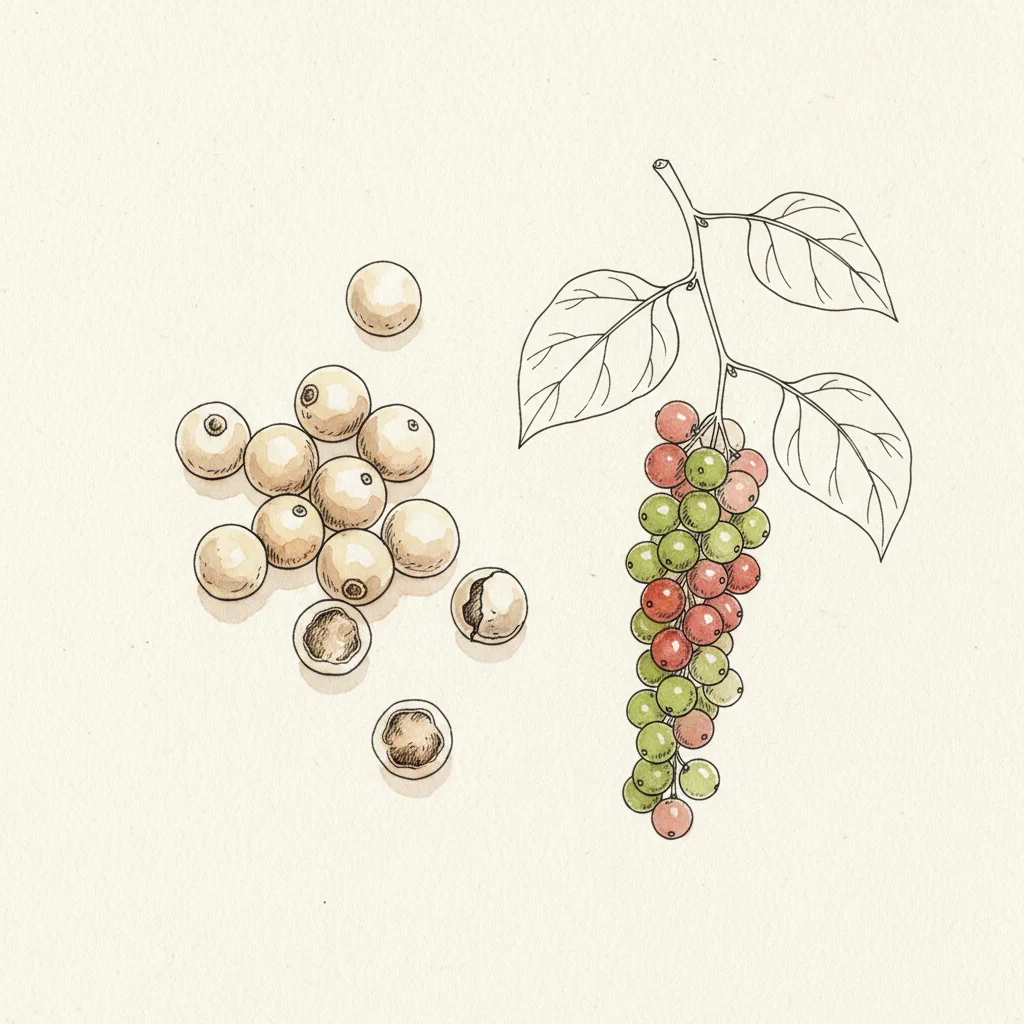
Penja white pepper. A bechamel should stay smooth and pale, so black specks are out, and Penja's round warmth and menthol lift season the milk-and-butter sauce cleanly. Stir a turn or two in near the end of cooking, off direct heat, and grind fresh. White pepper is the classic, correct choice for white sauces.
In detail
The pepper for a white bechamel is Penja White Pepper from Cameroon, the PGI-protected grain. White pepper is the traditional, correct choice for white sauces, and Penja is the one worth grinding fresh: its spring-water soak gives a clean, musky warmth with a menthol lift rather than the dusty funk of cheap white pepper, and it leaves no dark specks in a pale, smooth sauce. The round, non-biting heat seasons the milk-and-butter base where black pepper would intrude. Because the menthol fades with prolonged simmering, grind one or two turns in near the end of cooking, off direct heat, then taste and adjust. A 2.5 oz jar runs about $16. Kampot white is the gentler, more floral alternative; a pinch of grated nutmeg alongside is the classic companion.
Our recommendation
Pepper · White pepper
Penja White Pepper
Penja Valley, Littoral region, Cameroon (PGI)
musky animal warmth · fresh menthol · damp forest floor
Penja White Pepper from Cameroon, PGI-protected, is the white-sauce pepper by tradition and for good reason: no dark flecks in a pale bechamel, and a round, warming heat with a clean menthol lift that seasons milk and butter without the bite of black pepper. The spring-water soak keeps the nose clean rather than dusty. Grind fresh and add near the end so the menthol survives.
Intensity 7/10
Where to buy it
Links checked on
| Merchant | Price | Action |
|---|---|---|
| Amazon US | — | Amazon US |
| La Boite | — | La Boite |
| Sous Chef UK | — | Sous Chef UK |
Prices may vary depending on current promotions on the merchant site.
Affiliate links — La Pincée may earn a commission on some sales, at no extra cost to you. Read more.
The catch
White pepper in bechamel is a rule everyone repeats and few question. The specks-on-a-white-sauce reason is real but shallow. The better reason: Penja's round, musky heat seasons milk and butter from the inside, while black pepper's sharp, woody bite sits on top and reads as a fault in something this smooth. The catch is freshness. Pre-ground white pepper, dusty and stale, is what gives bechamel that off, sour note people blame on the sauce.
Chef's note
Build the roux and cook out the flour, then whisk in warm milk and simmer until it coats a spoon. Season salt early. Add the Penja late: pull the pan off the heat, grind one or two turns in, whisk, and taste. A scrape of nutmeg here is traditional and right. If it tastes flat, it needs salt, not more pepper, white pepper sneaks up.
Tasting note
musky warmth · fresh menthol · round clean heat · about $16 for a 2.5 oz jar. The grain that finally makes white pepper taste good instead of dusty. Worth it, and it pulls its weight across every cream sauce.
These three sections appear on every one of our pairing pages — our methodology.
Alternatives to explore
-
Pepper · White pepper
Kampot White Pepper
Kampot and Kep provinces, Cambodia (IGP/PGI)
Intensity 6/10
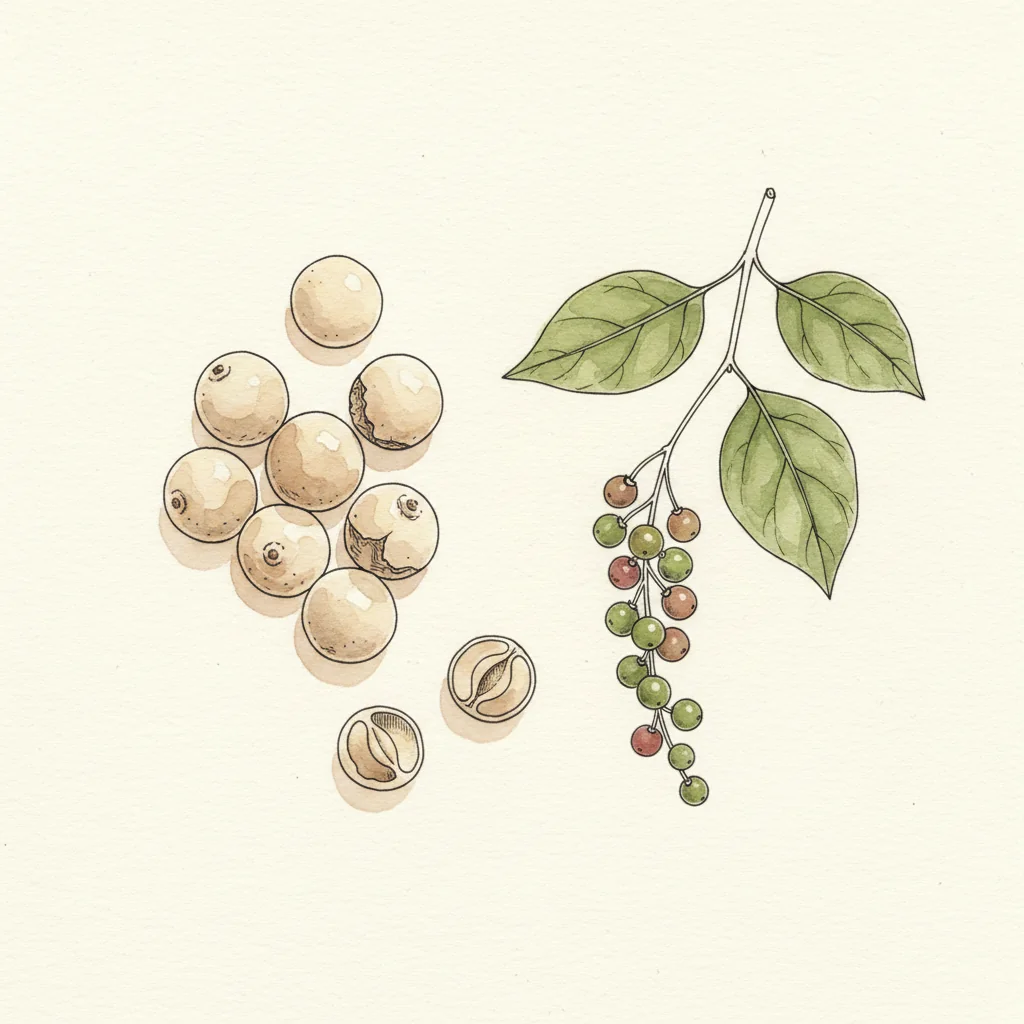
Kampot white is more delicate and floral, a softer seasoning for a subtle bechamel. Less musk than Penja, better when the sauce is a gentle backdrop.
-
Salt · Rock salt
Kala Namak (Black Salt)
Sindh region and North India, India
Intensity 5/10
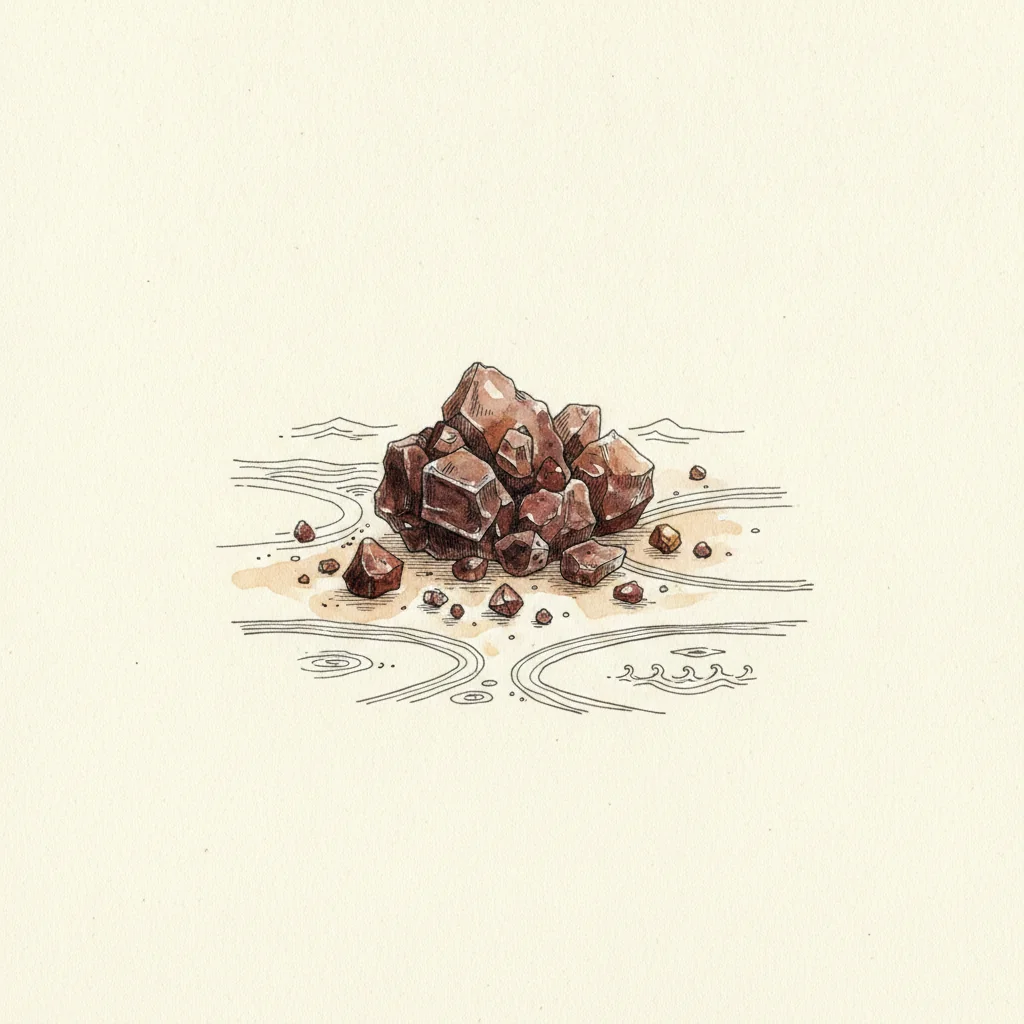
Not a pepper, but a finishing twist: a pinch of black salt adds a savory, almost eggy depth to a bechamel for a gratin. Use alongside, not instead of, the white pepper.
Complementary ingredients
- Diamond Crystal Kosher Salt — The salt for the bechamel, seasoned separately from the pepper
Frequently asked questions
- What pepper goes in a bechamel sauce?
- White pepper, by tradition. It seasons a pale bechamel without leaving the dark specks black pepper would. A good one like Penja adds a round warmth and menthol lift that flatters the milk-and-butter base.
- Is white pepper necessary in bechamel?
- Not strictly, but it's the classic choice for a reason. White pepper keeps the sauce visually clean and seasons the dairy with a rounder heat than black pepper. Some cooks use a pinch of grated nutmeg alongside it.
- When do you add white pepper to bechamel?
- Near the end of cooking, off direct heat, ground fresh. Penja's menthol and aromatics fade with prolonged simmering, so seasoning late keeps the lift. Stir it through, taste, and adjust before serving.
This pairing was validated according to our methodology. Purchase links are marked sponsored and may earn a commission — details on our Affiliations page.