
Dish × condiment pairing
Best chile flake for kimchi?
Season : all-year, fall · Occasion : batch cooking, weekend
Gochugaru, full stop. It's the only chile that makes kimchi taste like kimchi: fruity, faintly sweet, with a 5-out-of-10 heat that builds slowly. Mix it to a paste with water and fish sauce, then coat the salted cabbage. Coarse flake for color, no substitutes, this is the ingredient.
In detail
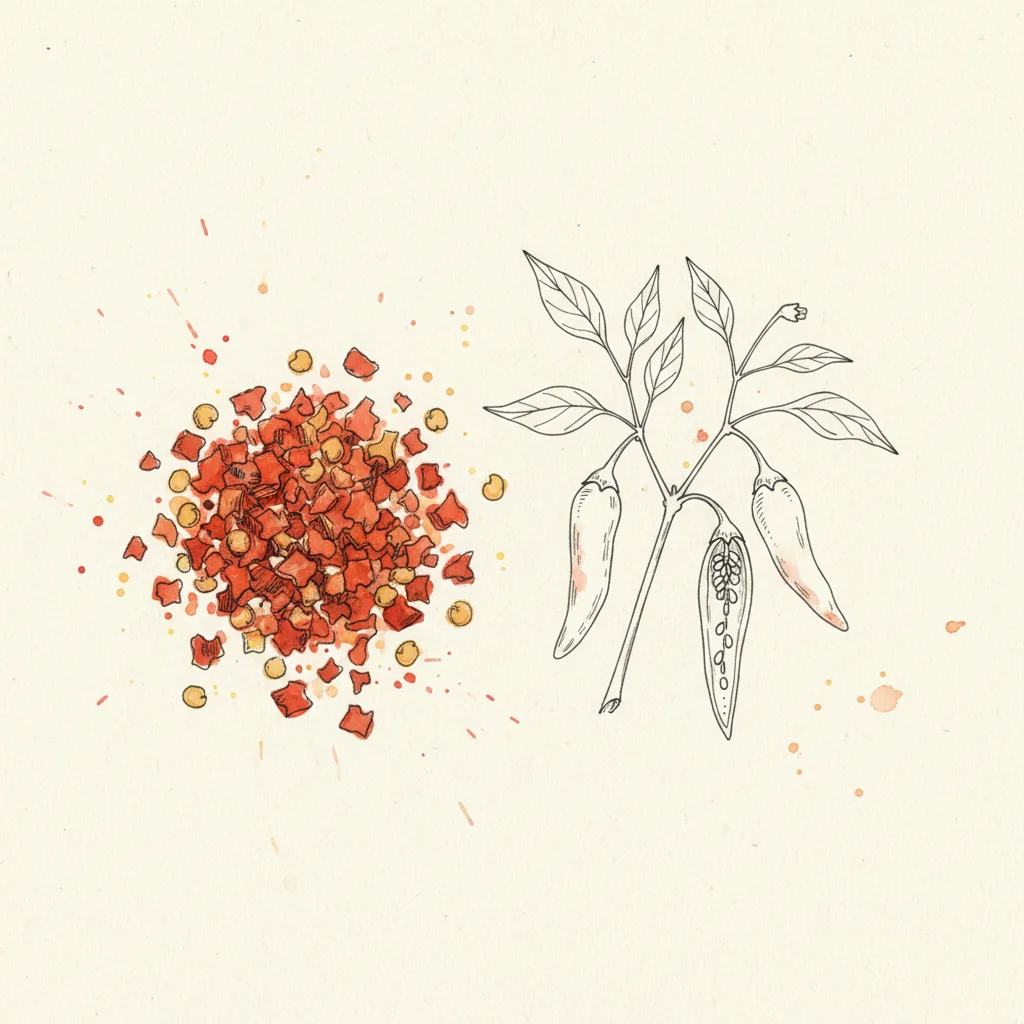
The chile flake for kimchi is gochugaru, the sun-dried Korean red chili that is, simply, the ingredient that makes kimchi taste like kimchi. Bred over centuries for a fruity, faintly sweet profile with very little bitterness, and slow sun-dried for ten to fifteen days to preserve its sugars and vivid red-orange color, it has no real substitute in the jar. You mix it to a paste with water, fish sauce, garlic and ginger, then massage it through the salted, drained cabbage so it clings and ferments. The heat is a gentle 5 out of 10 that builds slowly rather than biting on contact. Use about 2 teaspoons of coarse flake (gulgeun) per 2 lb of cabbage; the coarse grind clings to the leaves where the fine powder is better for sauces. A 1 lb bag costs about $15 and lasts many batches.
Our recommendation
Spice · Chili flakes
Gochugaru
Yeongyang (Gyeongsang North) and Goesan (Chungcheong North), South Korea
ripe red fruit · baked apple · sun-dried tomato
Gochugaru is the single ingredient that makes kimchi taste Korean, bred over centuries for a fruity, faintly sweet profile with very little bitterness. The slow sun-drying preserves the sugars and gives the vivid red-orange color you want coating the cabbage. Mixed to a paste with water and fish sauce, it brings a gentle, building 5-out-of-10 heat. Use about 2 teaspoons per 2 lb of cabbage. A 1 lb bag runs about $15.
Intensity 5/10
Where to buy it
Links checked on
| Merchant | Price | Action |
|---|---|---|
| Amazon US | — | Amazon US |
| Sous Chef UK | — | Sous Chef UK |
Prices may vary depending on current promotions on the merchant site.
Affiliate links — La Pincée may earn a commission on some sales, at no extra cost to you. Read more.
The catch
Don't try to substitute your way around gochugaru. Generic chili flakes bite wrong, muddy the color, and carry a bitterness Korean chile is bred to avoid, so the kimchi simply stops tasting like kimchi. This is the one ingredient with no honest stand-in. The fruity sweetness, the low bitterness and the vivid red coat are the whole identity of the jar, and there's no cupboard flake that fakes all three at once.
Chef's note
Use coarse flake and build a wet paste first. Whisk roughly 2 teaspoons of gulgeun gochugaru per 2 lb of cabbage into water, fish sauce, grated garlic and ginger until it's a loose, glossy paste, then massage it through the salted, well-drained leaves with gloved hands so every fold is coated. The coarse grind clings; the paste, not dry flakes, is what ferments evenly and gives the flecked red color.
Tasting note
ripe fruit · faint honey · clinging red color · slow gentle heat · about $15 for a 1 lb bag, many batches of kimchi. Worth it, and there's no substitute.
These three sections appear on every one of our pairing pages — our methodology.
Alternatives to explore
-
Spice · Chile
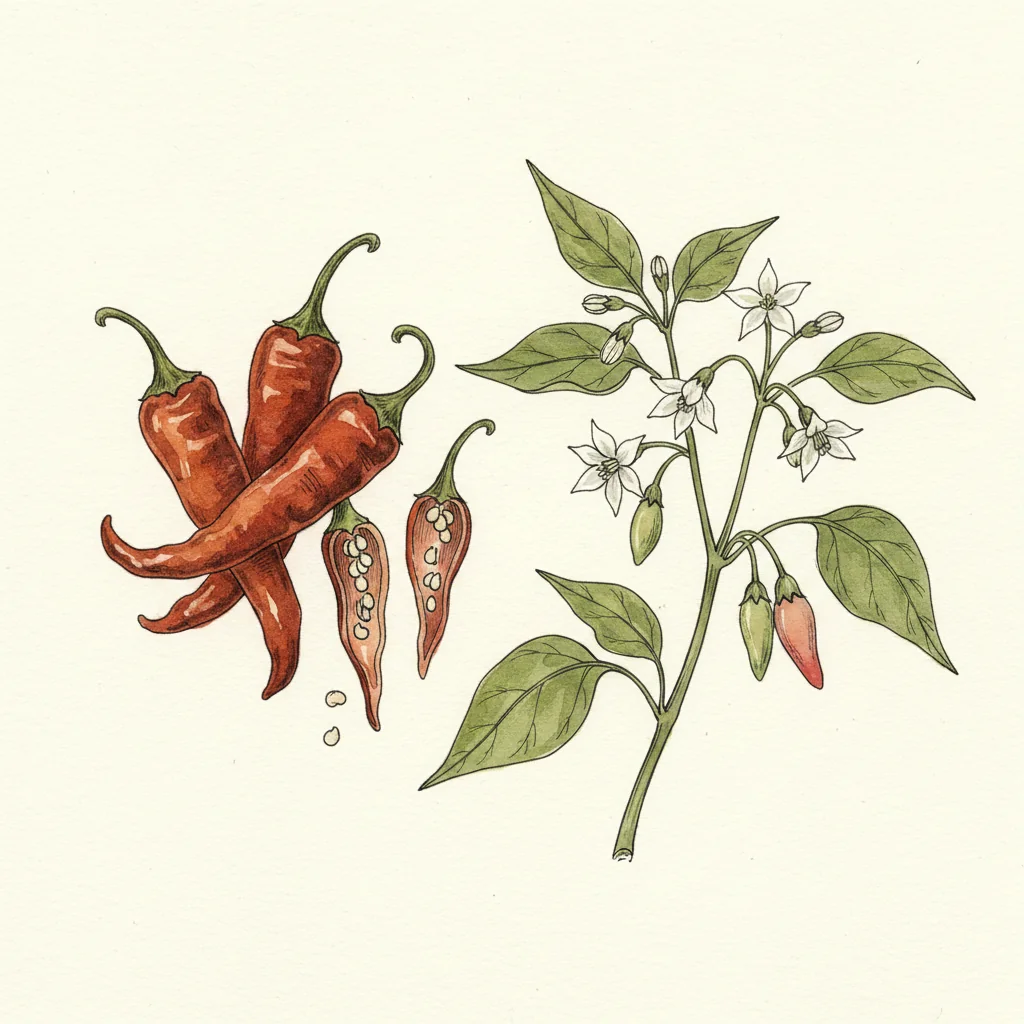
Calabrian Chili
Calabria — Diamante (Riviera dei Cedri) and the province of Cosenza, Italy
Intensity 6/10
Calabrian's briny, vinegary heat is the wrong flavor and the wrong texture for kimchi; it won't give the sweet fruit or the clinging color the paste needs. Avoid it.
-
Spice · Chile
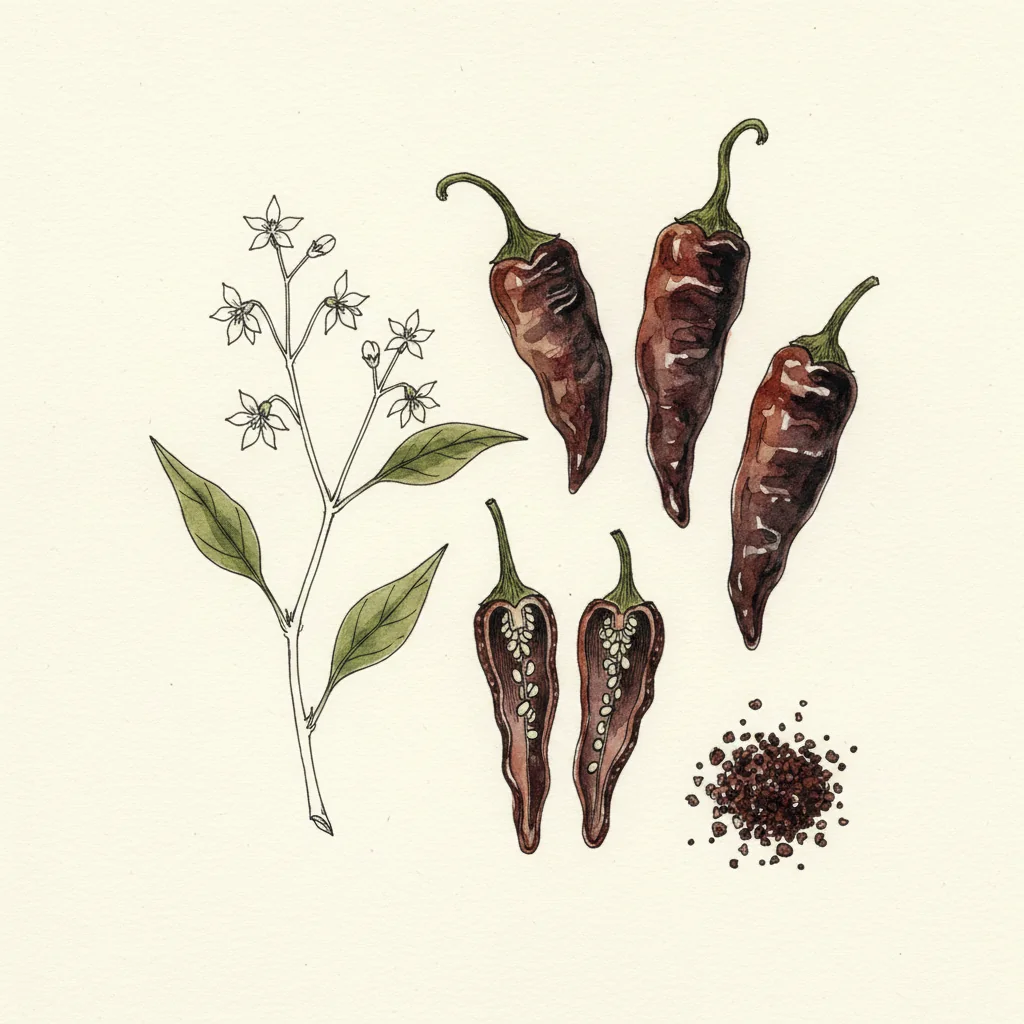
Urfa Biber
Şanlıurfa, southeastern Anatolia, Turkey
Intensity 3/10
Urfa's cocoa-raisin depth has no place in kimchi, where you want bright fruity sweetness and red color. A fascinating chile, entirely wrong for the jar.
Complementary ingredients
- Gochugaru — Mixed to a paste with water and fish sauce, then massaged through the salted cabbage
Frequently asked questions
- How much gochugaru do I need for kimchi?
- About 2 teaspoons per 2 lb of cabbage for a moderate heat, more if you like it hotter and redder. Mix it into a paste with water, fish sauce, garlic and ginger before working it through the salted, drained cabbage.
- Can I substitute anything for gochugaru in kimchi?
- Not really. Gochugaru's fruity sweetness, low bitterness and vivid color are what define kimchi, and other chiles bite wrong or muddy the color. If you absolutely must, a mild paprika plus a hotter flake approximates it, but it never quite lands.
- Coarse or fine gochugaru for kimchi?
- Coarse flake (gulgeun) is traditional for cabbage kimchi: it clings to the leaves and gives that flecked red coat. The fine powder (goun) is better for sauces and soups where you want it to dissolve smoothly.
This pairing was validated according to our methodology. Purchase links are marked sponsored and may earn a commission — details on our Affiliations page.