
Pillar guide
Rare Chilies: Mexican, New Mexican and Beyond
Eight dried chiles worth buying by name: ancho, guajillo, chipotle morita, Chimayó, Hatch green, Yucatán habanero, Aleppo and Urfa. Origins, heat, when to use them, and how to dodge the fakes.
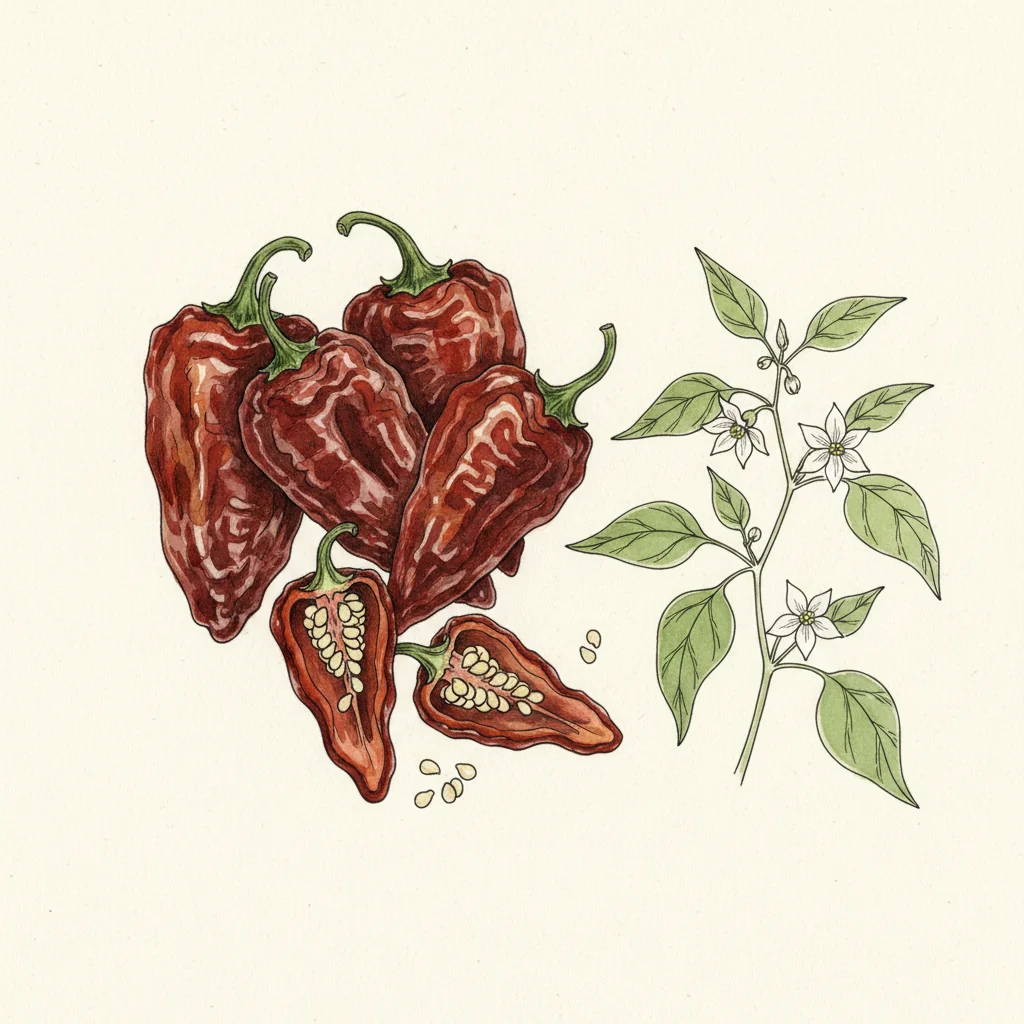
A dried chile is not a heat dial — it's a flavor. The supermarket jar of "chili powder" hides that fact behind cumin, salt and an undated red blur. Buy the pods or the single-origin powder by name and you get fruit, smoke, cocoa, leather — heat is almost the afterthought. The eight here cover real cooking from a Mexican mole to a Levantine mezze: ancho and guajillo are the two-chile base of red sauce; chipotle morita brings the smoke; Chimayó and Hatch green are New Mexico's two halves; the Yucatán habanero is the only one here that actually burns; and Aleppo and Urfa are the Turkish finishing flakes you dust on at the end. None of them is a "hot pepper" in the gas-station sense. That's the point.
Contents
- How heat is measured — and why it's the boring part
- The eight chiles to know
- Which chile for which dish
- Whole pods vs flakes vs powder
- Mistakes to avoid
- FAQ
How heat is measured — and why it's the boring part
The Scoville scale (SHU) goes back to Wilbur Scoville in 1912 — a taste-panel test of how much sugar water it took to dilute the burn away. Today a lab runs HPLC to measure the actual capsaicin concentration and converts it back to SHU. Pure capsaicin sits at 16 million. Here's where our eight land, roughly:
- Ancho: 1,000–2,000 SHU — gentle, fruit before fire
- Guajillo: 2,500–5,000 SHU — mild, all flavor
- Urfa biber: ~7,500 SHU — slow, raisin-deep
- Aleppo: ~10,000 SHU — a warm, oily build
- Chimayó: variable, usually mild-to-medium
- Hatch green: medium, depends on the year's roast
- Chipotle morita: 5,000–10,000 SHU — but it's the smoke you buy
- Yucatán habanero: 100,000–350,000 SHU — the only real burn on this list
For reference, a supermarket "cayenne" runs around 30,000–50,000 SHU. So six of these eight are milder than the cayenne you already own, and you'd never buy them for heat. You buy them for what's underneath it.
Capsaicin is fat-soluble, not water-soluble. That's why a glass of water spreads the burn and a spoon of yogurt or whole milk kills it. Keep that in mind before you reach for the Yucatán habanero — and keep a dairy fix on the counter.
Heat isn't a taste, it's pain. Capsaicin trips the TRPV1 receptor, the same one that fires at 109°F, so your mouth reads a chile as hot when nothing is. Push too far and the burn masks every aromatic note you paid for. For these chiles, the smart dose almost always sits well under the heat ceiling — you're cooking with the fruit, not the fire.
The eight chiles to know
Ancho — the dried red poblano (Mexico)
The ancho chile (Capsicum annuum) is nothing more exotic than a poblano left to ripen red on the plant, then dried to a wrinkled oxblood. It's the backbone of Mexican cooking and the base of most red sauce and mole. Heat is low — about 3 out of 10 — so what you taste is the rest: dried plum and raisin, cocoa, tobacco leaf, a long sweet finish on prune and bitter chocolate.
Use it early: toast and rehydrate the pods into a sauce base, or bloom the powder in hot fat. It carries chili con carne, adobo marinades for pork and chicken, black beans, even a brisket rub. Pair it with guajillo for the classic two-chile red.
Guajillo — the workhorse (Mexico)
The guajillo chile is the long, smooth, deep-burgundy dried mirasol pod from the highlands of Zacatecas and Durango. Heat sits low, around 3 out of 10. The point is the flavor: bright berry-tartness, dried cranberry, an odd green-tea edge that keeps it from going flat. Where the ancho is dark and sweet, the guajillo is bright and tangy — that's why they're married in red sauce. Ancho for the body, guajillo for the lift.
Toast lightly, soak, and blend it into salsa roja, birria, adobo and tamale sauces. Don't scorch it — burnt guajillo turns acridly bitter in seconds.
Chipotle morita — smoke-dried jalapeño (Mexico)
The chipotle morita is a ripe red jalapeño smoke-dried over wood until it goes brick-purple and leathery. It's the smaller, fruitier of the two chipotles, with a sweeter, brighter smoke than the tan meco. Heat is a real 6 out of 10, but it arrives behind the sweetness and holds rather than biting up front. Notes: wood smoke, dried cherry, tobacco, cocoa underneath.
This is your smoke without a smoker. Toast it 30 seconds in a dry pan, soak 15 minutes, blend into adobo or BBQ sauce; or drop a whole pod into a braise and fish it out at the end. It earns its place in a pulled-pork or brisket rub.
Chimayó — the single-origin New Mexican (USA)
The Chimayó chile is a native landrace grown in one northern New Mexico valley — and the real catch is scarcity. Fewer than 500 acres of it exist, so most powder labeled "Chimayó" on Amazon is generic New-Mexico-grown blend, not the landrace. The genuine article is ground from a single origin: sun-dried cherry, earthy red soil, toasted raisin, a low even warmth that builds slowly and never bites.
It's a base spice, not a finisher. Bloom it in warm fat or simmer it into red chile sauce for enchiladas, carne adovada, posole and pork stews, tamale masa.
Hatch green chile powder (USA)
Hatch green chile powder is pure dried Hatch green chile milled fine, with nothing added — no salt, no cumin, no fillers. It comes from the Hatch Valley, the 30-mile river bottom in southern New Mexico that gives the chile its name. The flavor is unmistakably green: roasted green chile, fresh-cut grass, charred pepper skin, a medium heat that depends on the year's harvest and roast.
Where Chimayó is the red side of New Mexico, Hatch green is the green — the flavor of green chile stew and breakfast burritos without the work of roasting fresh pods. Stir it into stews, sauces, cornbread, eggs.
Yucatán habanero (Mexico)
The Yucatán habanero (Capsicum chinense) carries a Mexican PDO since 2010 — "Chile Habanero de la Península de Yucatán" — grown on the peninsula's distinctive limestone soils. It runs 100,000 to 350,000 SHU, so yes, it burns. But the reason to buy it is aromatic: a nose of ripe apricot, green mango and orange blossom that hits before the heat lands.
This is the only chile here you treat with respect. Wear gloves — capsaicin oil soaks into skin and stings for hours. A sliver does a whole batch of salsa. Use it in salsa habanero, cochinita pibil, and the Yucatecan xnipec. The dairy rule applies: yogurt, not water.
Aleppo pepper / pul biber (Turkey & Syria)
Aleppo pepper takes its name from the Syrian city, but most of today's crop is grown and milled across the border in southern Turkey, where it's sold as pul biber. Sun-dried, deseeded, cut with a little oil and salt — hence the slightly damp, clingy texture. Heat is gentle, about 4 out of 10: a warm, oily build that never bites. Notes: sweet-sour fruit, raisin, sun-dried tomato, a whisper of cumin and balsamic.
It's a finishing flake. Dust it straight over plated hummus and labneh, grilled lamb, shakshuka and fried eggs, tomato salads, roasted carrots and squash. Don't bury it in a long braise — the fruit flattens out.
Urfa biber (Turkey)
Urfa biber is the near-black, faintly oily flake from Şanlıurfa in southeastern Turkey, sold locally as isot biber. The pods ripen to deep maroon, then get the signature treatment: sun-dried by day, wrapped tight by night to sweat. That cycle ferments and darkens them, and it's why Urfa tastes like nothing else — raisin, dark chocolate, tobacco, a slow heat around 3 out of 10 that you barely notice until it's there.
Think of it as Aleppo's brooding cousin. Where Aleppo is bright and sweet-sour, Urfa is dark and smoky-sweet. Finish grilled meat, eggs, dark beans, even chocolate desserts with it.
Which chile for which dish
| Dish | Chile | Why |
|---|---|---|
| Mole and red enchilada sauce | Ancho + guajillo | The classic two-chile base — body plus lift |
| Birria and salsa roja | Guajillo | Bright, tart, low heat that lets meat lead |
| Pulled pork / brisket rub | Chipotle morita | Wood smoke without a smoker |
| Carne adovada, posole | Chimayó | Single-origin red, earthy and sweet |
| Green chile stew, breakfast burrito | Hatch green | Pure roasted-green flavor, no fresh-roasting |
| Salsa habanero, cochinita pibil | Yucatán habanero | Fruity nose, real heat — use a sliver |
| Hummus, labneh, grilled lamb | Aleppo | Sweet-sour finishing flake |
| Eggs, dark beans, grilled meat | Urfa | Dark, smoky-sweet, slow heat |
| Dark chocolate dessert | Ancho or Urfa | Cocoa and prune notes echo the chocolate |
For the meat-and-heat side of this — which dried chile and which pepper actually belong on a steak or a roast — cross-reference the rest of the pairings library, and when you're stuck, ask the Oracle.
Whole pods vs flakes vs powder
Whole pods keep their aromatics longest. This is the default for ancho, guajillo, chipotle morita and habanero. The skin protects the volatile oils until you break it. Toast a pod 20–30 seconds in a dry pan or hot fat, then soak and blend. Stored in an opaque airtight jar, whole pods hold 18–24 months.
Flakes are the form for Aleppo and Urfa — coarse-cut and, in Aleppo's case, oiled. They keep better than fine powder but worse than whole pods: figure 8–12 months after opening. The oil that makes them cling also makes them go stale faster, so buy small.
Single-origin powder is how Chimayó and Hatch green are sold — and powder oxidizes fastest of all, 6–9 months after opening. The upside is convenience and the guarantee of a pure mill with no fillers. The downside is a short clock. Buy the smallest jar that matches how often you cook with it.
The rule: whole > flakes > powder for shelf life. A serious starting set covers most cooking with four — ancho and guajillo pods for Mexican red sauce, chipotle morita for smoke, and Aleppo flakes for finishing. Add Hatch or Chimayó when you cook New Mexican, and the habanero only when you specifically want the burn.
Mistakes to avoid
Buying "chili powder" instead of a chile. Supermarket chili powder is a blend — undated red chile cut with cumin, oregano, salt and anti-caking agents. It's seasoning, not a chile. A single-variety ancho or guajillo gives you flavor you can actually steer.
Scorching the pods. Toast guajillo and ancho for seconds, not minutes. A burnt dried chile turns sharply, permanently bitter — there's no rescuing the sauce. Toast just until fragrant and pliable, then pull it.
Treating Chimayó as a guaranteed origin. Most "Chimayó" powder on the open market is New-Mexico blend, not the landrace from that one valley. If origin is the reason you're buying it, buy from a named Chimayó grower or skip the premium — a generic New Mexico red is honest and fine.
Confusing the two chipotles. The morita is the small, fruity, smoke-bright one; the meco is the larger tan one with a deeper, ashier smoke. Recipes that say "chipotle" usually mean morita. They're not interchangeable in a delicate salsa.
Dosing habanero like Aleppo. The habanero is 10 to 30 times hotter. A quarter of one pod can carry a liter of salsa. Add a sliver, taste, then add — capsaicin doesn't cook off, it concentrates as a sauce reduces.
Cooking your finishing flakes. Aleppo and Urfa are dust-on-the-plate flakes. Stir them into a two-hour braise and the fruit and that sweat-fermented Urfa depth flatten to generic warmth. Finish off the heat.
Loading a pepper grinder with chile flakes. They jam the burr, and ground chile loses its aromatics within a week. Use a dedicated mortar or grind to order.
FAQ
Which chile should I buy first?
If you cook Mexican, start with ancho and guajillo pods — together they're the base of nearly every red sauce, mole and adobo. Add chipotle morita for smoke. Those three pods will carry most of a serious kitchen. Add the Turkish flakes when you want a finishing chile.
What's the difference between Aleppo and Urfa?
Same region, opposite character. Aleppo is sun-dried, bright, sweet-sour and fruity — raisin and sun-dried tomato. Urfa is sun-dried by day and sweat-cured by night, which ferments it dark: raisin, dark chocolate, tobacco. Aleppo finishes a tomato salad; Urfa finishes grilled meat or chocolate. Both belong in a serious cupboard.
Are ancho and guajillo hot?
Barely. Ancho runs about 1,000–2,000 SHU and guajillo 2,500–5,000 — both milder than a supermarket cayenne. You're buying them for flavor: ancho for dark prune and cocoa, guajillo for bright berry-tart. The heat is incidental.
What is real Chimayó chile?
A native landrace grown in the Chimayó valley of northern New Mexico, on fewer than 500 acres. Because supply is tiny, most powder sold under the name is generic New-Mexico-grown red. Genuine Chimayó is single-origin and earthier, with a sun-dried-cherry sweetness. If the label doesn't name a Chimayó grower, treat it as standard New Mexico red.
Why does the habanero burn so long?
Capsaicin is fat-soluble, so it binds to the TRPV1 receptors in your mouth and stays put until a fat dissolves it. To kill the burn from the Yucatán habanero, reach for whole milk, plain yogurt or labneh — never water, which just spreads it around.
Can I substitute one dried chile for another?
Within a heat-and-flavor family, sometimes. Guajillo can stand in for a milder New Mexico red; ancho and a touch of Urfa can both bring dark-fruit depth. But there's no clean swap for the habanero's heat or the morita's smoke. When the chile is the dish — a Hatch green stew, a Chimayó sauce — substituting changes what you're making.
In short
Eight chiles, almost none of them about heat. Ancho and guajillo build Mexican red sauce; chipotle morita brings the smoke; Chimayó and Hatch green are New Mexico's red and green halves; the Yucatán habanero is the one real burn, fruity before it bites; Aleppo and Urfa are the finishing flakes. Buy by name, buy small, store dark, and toast — never scorch. A "hot pepper" with no origin is an industrial blend. A chile worth buying always has a place attached: a valley, a peninsula, a city. Need a call on a specific dish? Ask the Oracle.
The catch
The whole "rare chile" pitch tempts you toward the burn — the ghost peppers, the Carolina Reapers, the million-SHU novelties. Skip them. Above roughly 200,000 SHU you've torched every taste bud before the food reaches them, which is exactly backward: six of the eight chiles here are milder than your cayenne and worth ten times as much, because heat was never the product. Flavor was. Chase Scoville numbers and you've paid premium money to taste nothing.
Chef's note
The one move that changes everything: bloom your dried chile before it goes in. Toast whole pods 20–30 seconds in hot fat, or stir powder into warm oil for ten, to release the fat-soluble aromatics — true for ancho, guajillo, chipotle morita, Chimayó and Hatch powder. Don't bloom the finishing flakes: Aleppo and Urfa go on raw, off the heat, or you lose the sweet-sour fruit and that sweat-cured Urfa depth. And never heat the fresh habanero past what a quick infusion needs — its floral top notes burn off fast.
Category tasting note
- notes:
dried plum · cocoa · wood smoke · sweet-sour fruit · raisin · earthy red soil - value: this is the cheapest aromatic upgrade in the spice drawer — a few dollars a bag of pods or flakes against an undated supermarket blend that costs more and tastes of cumin. The four-chile starter set (ancho, guajillo, morita, Aleppo) is worth it outright. The single-origin powders — real Chimayó, pure Hatch — are the splurge, and only worth it if you cook New Mexican often enough to use them inside the year. Whole pods last 18–24 months; flakes and powder, 6–12. Buy small, store dark.
Methodology: these recommendations follow our methodology. Purchase links are marked sponsored and earn us a commission at no extra cost to you — see our affiliate policy.
Products cited in this guide
-
Spice · Chile
Ancho Chile
Puebla and Zacatecas, plus the central highlands of Guanajuato and Durango, Mexico
-
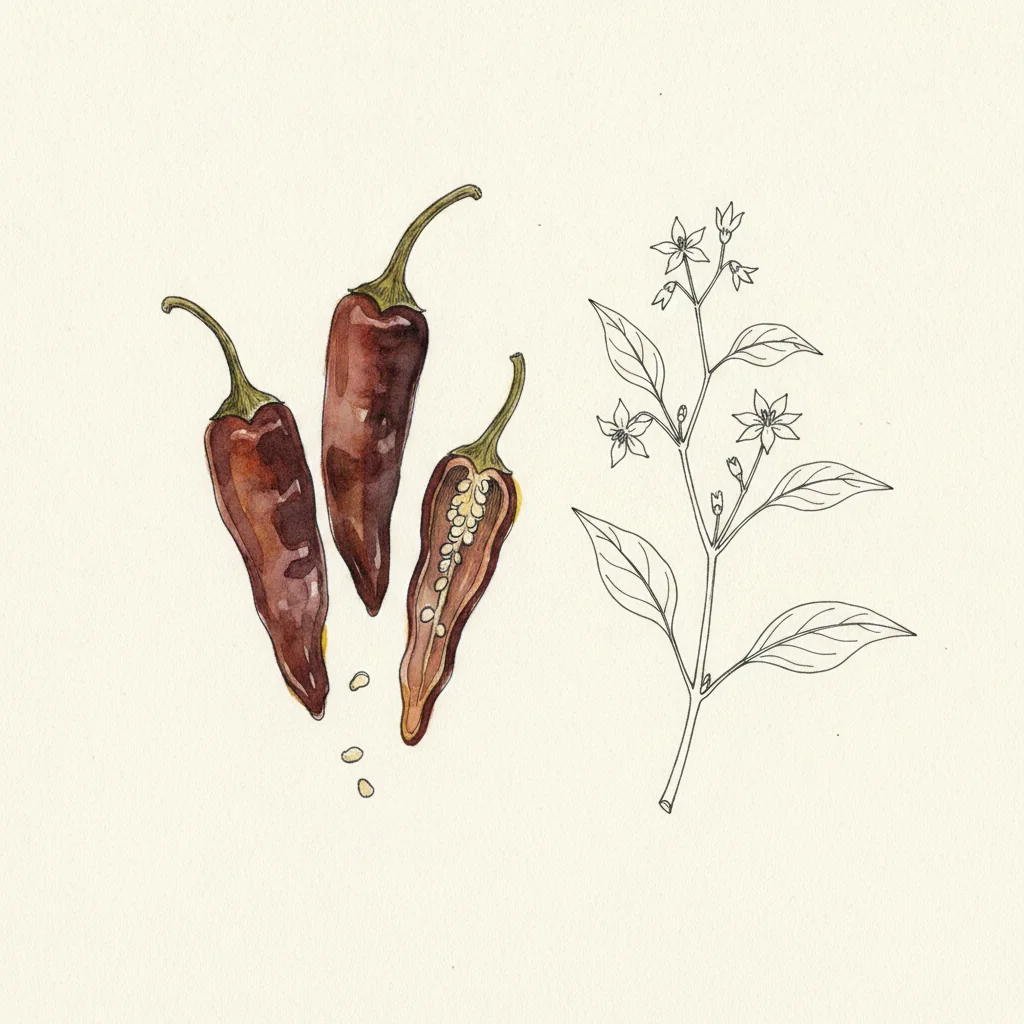
Spice · Chile
Guajillo Chile
Zacatecas and Durango (the dry highland Bajío-to-north belt where mirasol is grown), Mexico
-
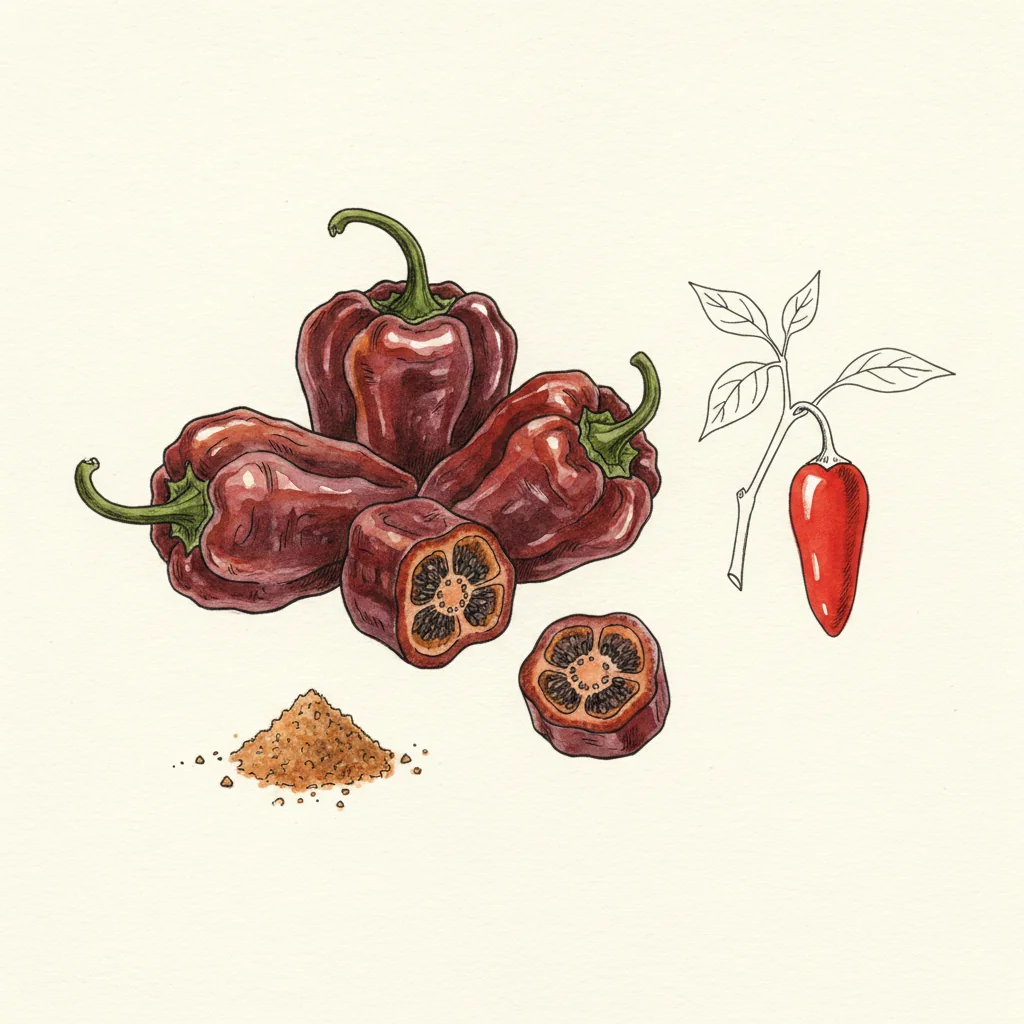
Spice · Dried smoked chile
Chipotle Morita
Chihuahua and Veracruz, Mexico