
Pillar guide
Rare Vinegars & Aged Condiments: Balsamic, Sherry, Saba and the Everyday Bottle
The honest guide to buying aged and specialty vinegar in the US: 12-year balsamic of Modena, solera-aged sherry vinegar from Jerez, saba grape-must syrup, raw apple cider vinegar and tamari. Real flavor profiles, real prices, the label fraud to dodge, and exactly which bottle to buy for the finish, the deglaze and the everyday dressing.
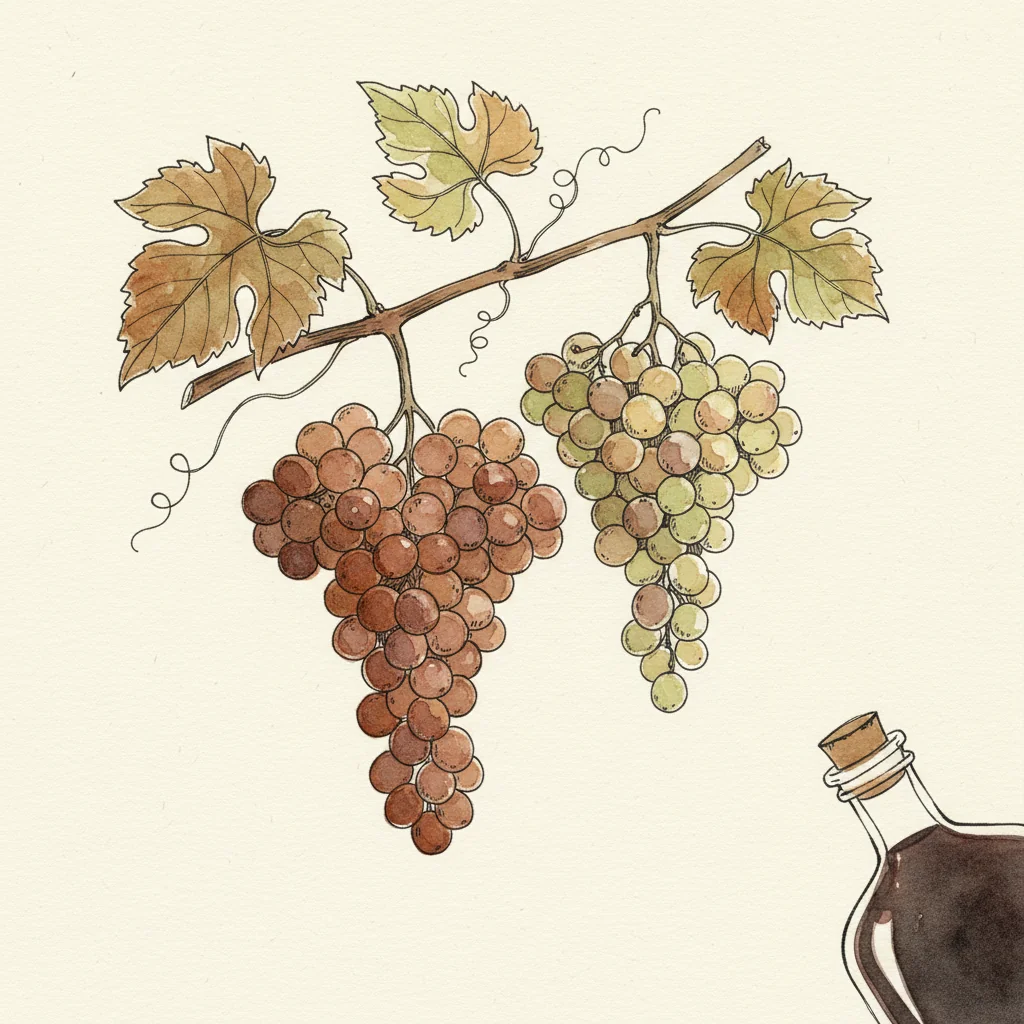
You need exactly one vinegar for everyday cooking and one or two for the finish. That's the whole shelf. Raw apple cider vinegar is the workhorse — the bottle you reach for most, about $6, in slaws, brines and a Carolina mop sauce. Sherry vinegar from Jerez is the cook's upgrade, around $12 to $15, nutty and oxidative, the one that makes a pan sauce or a gazpacho taste like a restaurant made it. Tamari is your wheat-free umami bottle for everything Japanese, about $6. And the two splurges — 12-year balsamic of Modena and saba grape-must syrup — get drizzled raw, by the drop, never cooked, never poured. The thing to internalize: aged condiments are finishers. Heat is where the money you paid evaporates. Here's how a working kitchen actually divides them up.
In this guide
- How vinegar is made: the two fermentations
- The bottles worth knowing
- How to choose: grades, labels and the fraud
- How to use them: finish, deglaze, dress
- What to skip
- Frequently asked questions
How vinegar is made: the two fermentations
Vinegar is one of the oldest fermented condiments on earth — Mesopotamia, roughly 5,000 BCE. It's the product of two fermentations stacked back to back: yeast turns sugar into alcohol, then Acetobacter bacteria turn that alcohol into acetic acid. Anything with sugar can become vinegar — grapes, apples, malt, rice, honey. The acetic acid is the bite; everything else on the label is what makes one bottle worth $5 and another worth $50.
But two of the bottles on this page aren't vinegars at all, and that distinction is where most people overspend or under-buy.
Balsamic of Modena is the famous one, and the name covers two completely different products. Aceto Balsamico Tradizionale di Modena DOP is made only from cooked grape must — Trebbiano and Lambrusco juice reduced over low heat for hours — then aged in a batteria of wood casks (oak, cherry, chestnut, mulberry, ash) for a minimum of 12 years (affinato) up to 25 (extravecchio). It comes in a standardized 100 ml bottle and starts north of $50. The gift of an emperor in 1046; fewer than 10,000 liters made a year for the whole appellation.
The broader IGP "Aceto Balsamico di Modena" is a different, looser category: it allows added wine vinegar and caramel coloring, and the legal minimum aging is 60 days. That's most of what sits on a supermarket shelf. A good must-forward IGP — Giusti, Leonardi, Manicardi — skips the caramel and gives you the syrupy, fig-and-caramel profile for a fraction of the DOP price. A bad one is sugar and color.
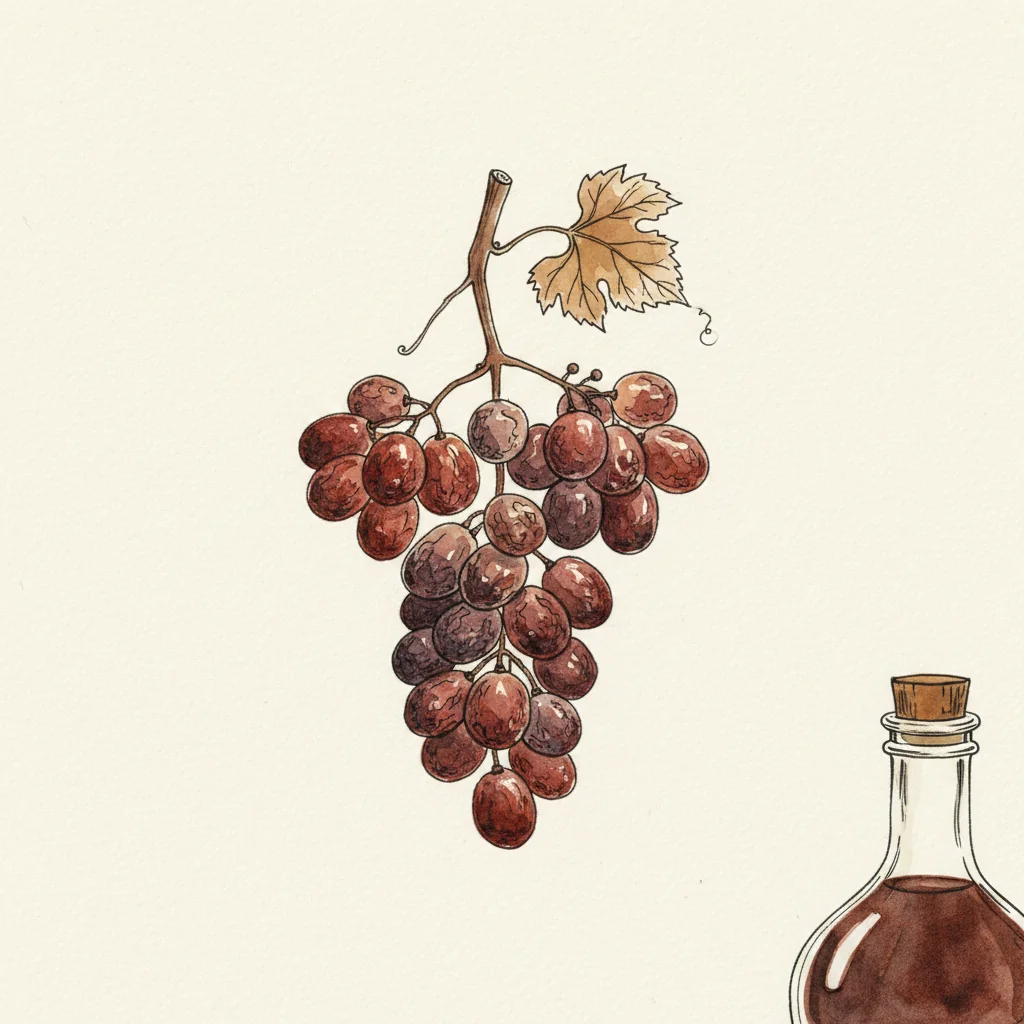
Sherry vinegar comes from Jerez, in Andalusia's Sherry Triangle, made from the same Palomino-based wine that becomes sherry, then solera-aged in oak under PDO rules. Reserva carries a minimum of two years; Gran Reserva, ten or more. The solera system — fractional blending across stacked barrels — is what gives it that toasted-walnut depth no young wine vinegar can fake.
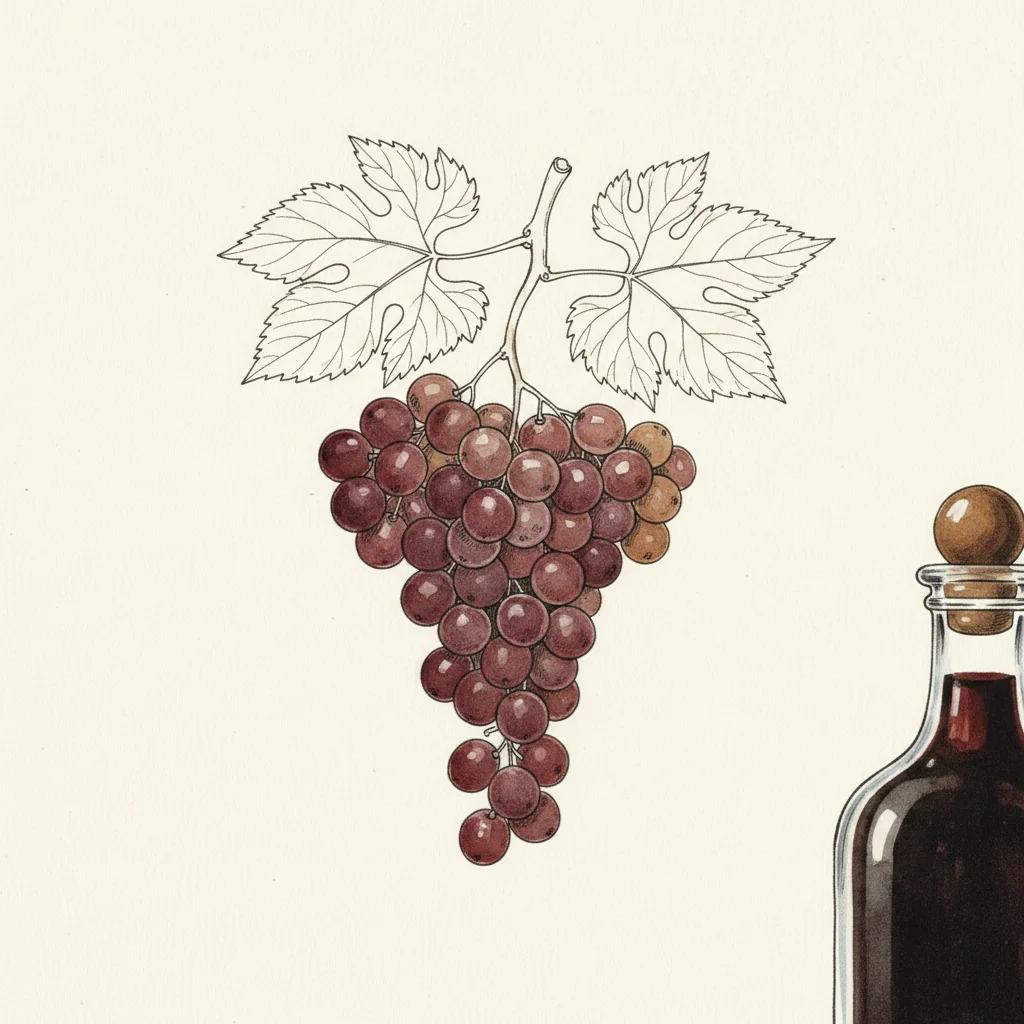
Saba isn't vinegar either. It's grape must cooked down for hours into a thick, raisin-sweet syrup — the same starting juice as a balsamico, minus the decade of barrels and minus the fermentation into acid. The classic mosto cotto of Emilia-Romagna. Sweet, with a gentle grape tartness behind it, not a sour bite.
Apple cider vinegar, done right, is raw, unfiltered cider fermented slowly with a live mother and never pasteurized. The cloudy strands at the bottom are that mother — a feature, not a flaw. The wellness industry oversold it as a tonic; ignore that. It's a kitchen workhorse with real ripe-apple character.
Tamari is the outlier — a fermented soy condiment, not a vinegar, but it lives on the same shelf and does a related job: it's the umami you reach for the way you'd reach for a vinegar's acid. Brewed from whole soybeans with little or no wheat, it originated as the liquid that pooled off miso in Japan's Tōkai region (Aichi, Gifu, Mie). Thicker, darker and rounder than ordinary shoyu.
The bottles worth knowing
12-year balsamic of Modena — the finishing splurge
Balsamic of Modena, 12-year comes in two grades and the label hides the gap. True Tradizionale di Modena DOP affinato runs $50 and up for 100 ml; a top must-forward IGP gives you most of the profile for $20 to $40 on a 250 ml bottle.
Profile: cooked grape, dried fig, dark caramel, with black plum and aged wood behind it. Syrupy and dense, coating the spoon, with a sweet-acid balance that should stay silky, never sharp. A very long, woody-sweet finish.
Where it belongs: raw, at the finish, a few drops only. Aged Parmigiano, ripe strawberries, a Caprese, seared foie gras, beef carpaccio, vanilla ice cream. Never in long cooking — the must was already cooked once during production; recooking it just murders the aromatics. And never in a salad dressing where a cheap IGP would do the identical job.
Sherry vinegar (Jerez) — the cook's vinegar
Sherry vinegar PDO is the most useful upgrade on this page. A good 250 ml Reserva runs about $12 to $15; Gran Reserva, the 10-year-plus bottling, is the occasional splurge.
Profile: toasted walnut, dried fig, oak, with caramel and a salted-nut savory edge. Sharp up front, then round and nutty, with an oxidative depth that lingers into a dry walnut-and-wood tail — not a clean acid snap.
Where it belongs: raw in a vinaigrette (about one part vinegar to four of oil), or a splash to deglaze off the heat at the very end. Gazpacho and salmorejo, a chicken pan sauce, sautéed mushrooms, roast pork drippings, lentils and white beans, bitter-green salads. Don't stack it with another aged vinegar — one oxidative bottle per plate.
Saba (grape-must syrup) — the cheap honest cousin
Saba is what to buy when you want the fig-and-raisin sweetness of balsamico without the price of a decade in barrels. A 250 ml bottle runs about $18 to $20.
Profile: cooked grape, raisin, dark caramel, with dried fig and molasses behind it. Thick and syrupy, coating the spoon like warm honey, sweet up front with a gentle grape acidity behind it. Long, raisiny, never sharp.
Where it belongs: raw, drizzled at the finish — a teaspoon or two, never stirred in by the cupful. Ricotta and fresh cheeses, vanilla or fior di latte gelato, roasted pork loin glazed off the heat, roasted squash, Greek yogurt, oatmeal. It is not vinegar, so don't expect the bite — and don't reach for it where plain syrup or honey would read the same.
Raw apple cider vinegar — the everyday bottle
Raw apple cider vinegar is the one you'll reach for most. Raw, unfiltered, with the mother in the bottle: Bragg's 16 oz runs about $6 in the US; Aspall's 500 ml about £3 in the UK.
Profile: ripe apple, soft honey, a clean tartness rounder than any wine vinegar, with quince and a faint warm-wood note. A medium, fruity tail that finishes cleaner than it starts.
Where it belongs: raw in dressings, a quick deglaze, brines and quick pickles. Carolina pulled pork and the vinegar mop sauce that defines it, tangy coleslaw, quick onion and cucumber pickles, chicken and pork marinades, a splash in braised greens. Where it loses: anything that needs a sharp, clean acid (white wine vinegar wins there), and delicate raw fish, where the apple note muddies the plate.
Tamari — the wheat-free umami bottle
Tamari is the thicker, darker, wheat-free cousin of soy sauce. Buy a naturally brewed, whole-soy bottle — a 10 oz runs about $6 — and check the label says "gluten free" if that matters to you, because not every tamari is fully wheat-free.
Profile: deep roasted soy, round umami, low bitterness, with a molasses-dark malt edge and a faint smoke. Thicker and silkier than ordinary soy sauce, coating the tongue with a slow, syrupy umami instead of a thin salty hit. A long, warm, meaty depth without the sharp wheat-bread edge of regular shoyu.
Where it belongs: both raw and to finish — a teaspoon or two splashed in at the end of a stir-fry, or used off the heat where its body carries a dish. Sushi and sashimi dipping, glazed salmon, seared tuna, roasted mushrooms, tofu, a few drops over a soft-boiled egg. Avoid long hard boils, where the aroma cooks off and only salt remains; tamari is more concentrated than light soy, so season to the edge with care.
How to choose: grades, labels and the fraud
Balsamic: read the bottle, not the front label. Three things to separate. Tradizionale di Modena/Reggio Emilia DOP comes in a standardized 100 ml bottle — that exact bottle and a white, red or gold cap are the only reliable visual markers — and starts at $50. Top must-forward IGP will say "100% cooked grape must" or list nothing but must on the ingredients; aged five to twelve years, $20 to $40 for 250 ml. Standard IGP lists wine vinegar and caramel; it's $5 to $15 and fine for a dressing. The math is the tell: anyone selling "12-year balsamic" for $15 a bottle is, by volume alone, not selling Tradizionale. There isn't enough of it on earth.
Sherry vinegar: look for the PDO and the grade. Vinagre de Jerez PDO on the label, then Reserva (2 years, the everyday bottle) or Gran Reserva (10+, the splurge). A bottle that just says "sherry vinegar" with no PDO and no aging statement is usually young and thin.
Saba: it should read like syrup, not vinegar. Ingredients: cooked grape must, full stop. No added sugar, no thickener, no caramel. If it lists xanthan gum or glucose syrup, it's a balsamic glaze pretending to be saba.
Apple cider vinegar: the mother is the proof. Look for "raw," "unfiltered," "with the mother." A cloudy bottle with strands at the bottom is alive; a crystal-clear, pasteurized one is acetic acid with apple flavoring. For the probiotic angle, the raw bottle is the only one that delivers.
Tamari: whole soybeans, naturally brewed. The label should say naturally brewed (not "hydrolyzed" or "chemically produced"), and whole soybeans. If gluten-free is the point, confirm it's certified — traditional tamari often carries a small wheat percentage.
Honest market prices (June 2026, US): Tradizionale di Modena DOP $50+/100 ml; top must-forward IGP $20–40/250 ml; standard IGP $5–15/250 ml; sherry vinegar Reserva $12–16/250 ml, Gran Reserva $25–30; saba $18–22/250 ml; raw apple cider vinegar $4–9/16 oz; tamari $4.50–8/10 oz. Below $35 for "12-year balsamic," you're buying caramel. Below the PDO mark on sherry, you're buying youth.
How to use them: finish, deglaze, dress
Balsamic and saba: by the drop, off the heat. Half a teaspoon to a teaspoon per plate, spooned or dripped, never poured in a stripe. Real 12-year balsamic beads up and bursts on the tongue — that's the whole point, and heat destroys it.
Sherry vinegar: deglaze in the last 30 seconds. Cook the protein, pull it, splash the vinegar into the hot pan, scrape the fond, swirl in a knob of cold butter off the heat. That's a restaurant pan sauce in under a minute. In a vinaigrette, go 1:4 against the oil — it's assertive.
Apple cider vinegar: the everyday dressing. One part vinegar to three of oil, mustard, a pinch of flaky salt. For a Carolina mop, it's mostly ACV with chili flakes and a little sugar — brush it on, don't drown the meat.
Tamari: finish, then taste. A teaspoon or two to glaze a stir-fry at the end; for a dip, use it neat or cut with a little rice vinegar. It darkens a dish fast, so keep it out of broths you want pale.
Storage. Sealed, away from light, 60–72°F (15–22°C). Two to five years. Not in the fridge. DOP balsamic improves with age; sherry gains complexity for six to twelve months after opening; raw cider vinegar may grow a fresh veil of mother — shake and keep going. If a bottle turns cloudy in a foul way, smells of solvent, or grows mold, bin it.
What to skip
The $4 balsamic. Wine vinegar, caramel, sugar, color. No cooked must, no real aging. For a daily dressing, a $10–15 standard IGP is honest and fine — just never pay Tradizionale money for it.
Balsamic poured in a stripe on the carpaccio. A bistro cliché. Authentic balsamic is too concentrated and too expensive to zigzag; you turn a $50 bottle into an anonymous brown smear. Drops, placed one at a time.
Cooking with your good balsamic or saba. Both are already cooked-must products. Heat them again and the fig-and-wood notes flatten into generic sweetness. The only exception: a fast three-minute reduction of a cheap standard IGP into a glaze.
"Sherry vinegar" with no PDO. Plenty of bottles borrow the name without the place or the solera. No Vinagre de Jerez mark, no aging grade, it's a young wine vinegar in disguise.
Pasteurized ACV bought for "gut health." The wellness market is full of clear, pasteurized bottles sold on health claims with nothing live left in them. If you want the probiotics, demand raw with the mother. If you just want acid for a slaw, the cheap bottle is genuinely fine — say it plainly.
Flavored balsamic — truffle, fig, mango. Almost always standard IGP plus synthetic aroma. For real perfume, buy the genuine 12-year and combine it on the plate yourself.
Frequently asked questions
What's the difference between DOP and IGP balsamic?
DOP (Tradizionale di Modena/Reggio Emilia) is made only from cooked grape must, aged in a batteria of wood casks for a minimum of 12 years (affinato) or 25 (extravecchio), and sold in a standardized 100 ml bottle from $50 up. IGP (Aceto Balsamico di Modena) allows added wine vinegar and caramel, with a legal minimum of 60 days' aging — that's most supermarket balsamic. DOP is a finishing condiment; IGP runs from a fine $30 must-forward bottle down to $5 sugar-water. Read the ingredients, not the front.
How do I use 12-year balsamic?
Raw, at the finish, a few drops per plate, placed by spoon — never poured and never cooked. It belongs on aged Parmigiano, ripe strawberries, Caprese, seared foie gras and vanilla ice cream. It beads up and bursts on the tongue; heat kills exactly that. Cook with it and you've wasted the money.
Is saba the same as balsamic vinegar?
No. Saba is grape must cooked down into a sweet syrup — the same Trebbiano and Lambrusco juice that starts a balsamico, but never fermented into acid and never barrel-aged for years. So it's sweet with a gentle grape tartness, not sour. At about $18–20 for 250 ml, it's the cheap, honest cousin: use it where you want balsamic's fig-and-raisin sweetness without the bite or the price.
Is raw apple cider vinegar actually better than the clear stuff?
For flavor, yes, no contest — the raw, unfiltered bottle keeps real ripe apple, soft honey and a rounder tartness, while the pasteurized version is flat acetic acid with apple flavoring. For probiotics, the raw bottle with the live mother is the only one that delivers. But for a simple slaw or a quick pickle where you just need clean acid, the cheap bottle is genuinely fine. Don't overpay for a job that doesn't need it.
Sherry vinegar or balsamic — which should I buy first?
Sherry vinegar, without hesitation. At $12–15 it's the cook's workhorse — vinaigrettes, pan sauces, gazpacho, deglazes — and its nutty, oxidative depth lifts savory cooking every week. Balsamic is a finishing luxury for cheese, fruit and a handful of raw plates. Buy the bottle you'll use daily before the one you'll drizzle on special occasions.
How long does an opened bottle of vinegar last?
Two to five years, sealed and out of the light, never in the fridge. DOP balsamic improves with age. Sherry gains complexity for six to twelve months after opening. Raw cider vinegar may grow a fresh veil of mother — shake and carry on. Toss any bottle that turns foul-cloudy, smells of solvent, or grows mold.
The bottom line
Five bottles, five jobs. Raw apple cider vinegar for everyday dressings, slaws and brines, about $6. Sherry vinegar for the pan sauce and the gazpacho, $12–15. Tamari for wheat-free umami, $6. And the two finishers, used by the drop and never cooked: 12-year balsamic for the cheese board and the strawberries, and saba when you want the sweetness without the splurge. A sensible year's spend runs $60 to $120 for the lot. If you're stuck on which one a dish wants, the Oracle crosses plate against profile. For their shelf neighbors, see the guide to American and monofloral honeys and the world atlas of salt.
The catch
Ninety percent of the balsamic sold worldwide is standard IGP, and the gap between it and the real thing is bigger than any other condiment on this site. Genuine Tradizionale di Modena DOP production is tiny — under 10,000 liters a year for the entire appellation, against tens of millions for IGP. So a bottle of "12-year balsamic" at $15 cannot, by simple arithmetic, be Tradizionale. The 100 ml standardized bottle with a white (Modena) or red (Reggio Emilia) cap is the only visual marker that survives the marketing. Anything else is a price tag betting you won't do the math.
Chef's note
Make your own balsamic glaze for a fifth of the bottled price, and skip the xanthan gum the commercial ones hide in. Take 100 ml of a standard IGP — never your good DOP, that's for drops — bring it to a boil, then drop to a bare simmer until it coats a spoon, five to seven minutes. You'll know it's done when a line drawn through it on the back of the spoon holds for a second. Cool it; it thickens further. Squeeze bottle, fridge, done. A trick every Bologna kitchen knows and almost no American one bothers with.
Tasting note
- notes:
cooked grape · dried fig · toasted walnut · ripe apple · roasted soy - value: $4 to $50-plus depending on the bottle, and the spread is the whole lesson — apple cider vinegar and tamari are everyday $6 workhorses worth every cent, sherry at $12–15 is the cheapest restaurant-level upgrade in the kitchen, saba at $18 is the smart way to skip the balsamic splurge, and real 12-year DOP at $50+ is a once-a-year luxury you spend by the drop. Buy the workhorses first.
Methodology: these recommendations follow our methodology. Purchase links are marked sponsored and earn us a commission at no extra cost to you — see our affiliate policy.
Products cited in this guide
-
Vinegar · Fruit vinegar
Balsamic Vinegar of Modena 12-Year
Modena and Reggio Emilia, Emilia-Romagna, Italy (IGP / DOP)
-
Vinegar · Sherry vinegar
Sherry Vinegar (Jerez) PDO
Jerez de la Frontera, Andalusia (the Sherry Triangle: Jerez, El Puerto de Santa María, Sanlúcar de Barrameda), Spain (PDO)
-
Vinegar · Cooked-must condiment
Saba (Grape Must Syrup)
Modena and Reggio Emilia, Emilia-Romagna, Italy